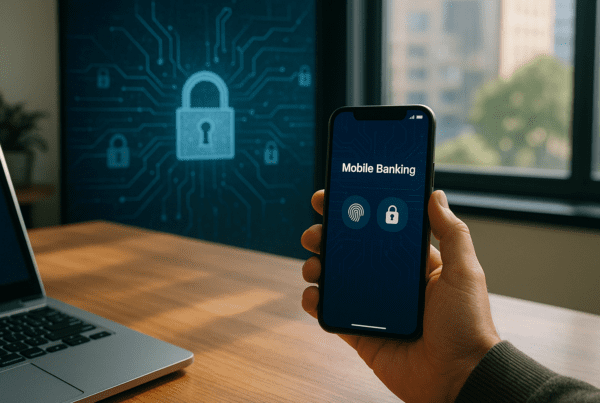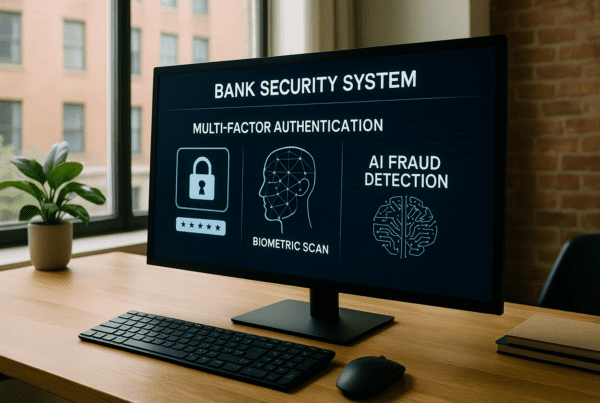
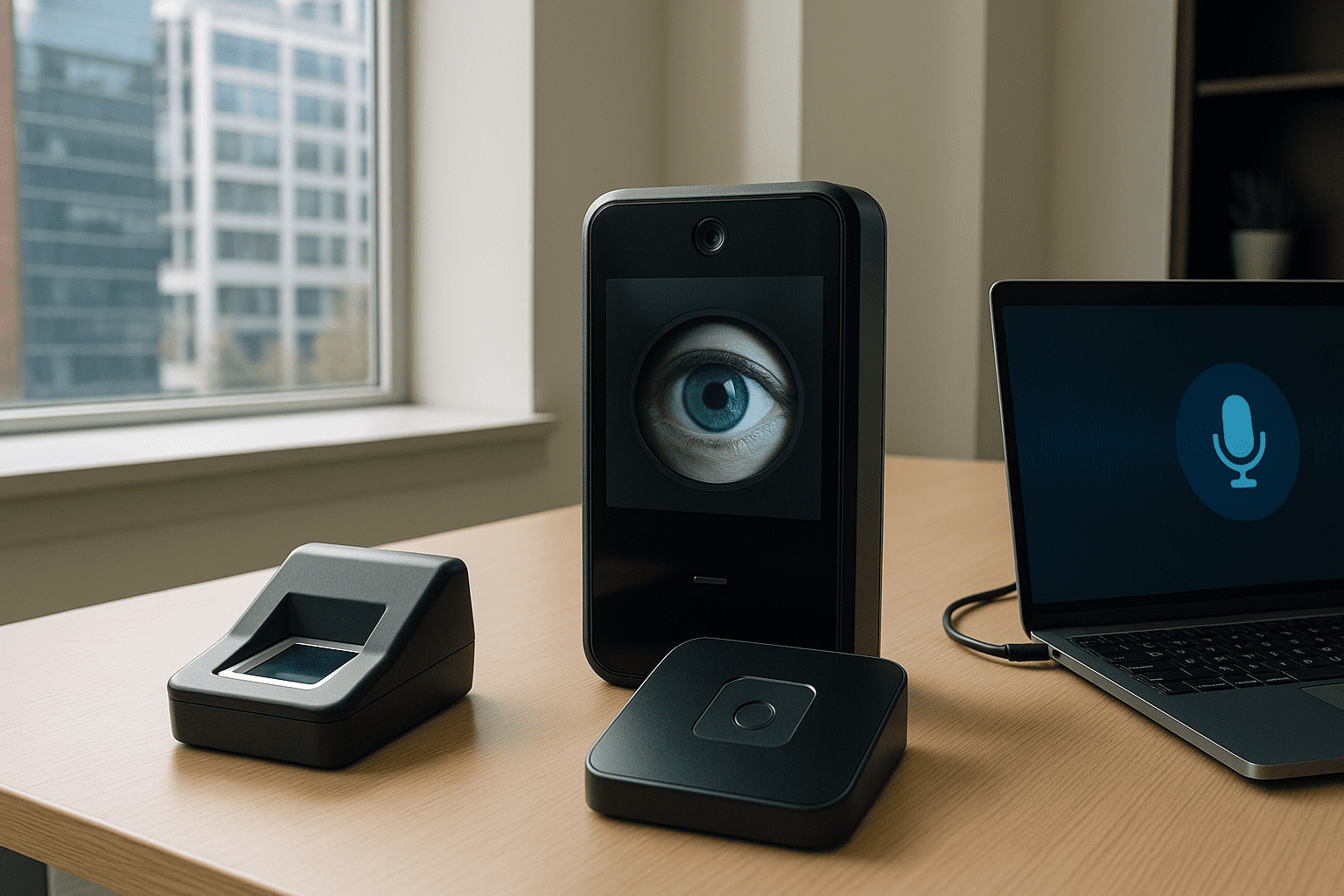
Walking into a bank today often means interacting with technology quite unlike the traditional teller window of decades past. Your face, fingerprint, or even the shape of your eye might be the key to accessing your account. Biometric scanning methods, once the stuff of science fiction, are increasingly woven into financial systems. But beneath this shift lie new questions about how well these technologies protect everyday bank accounts in an era where hacking and identity theft remain persistent threats.
The subtle shift in what protection looks like
Passwords and PINs have long been the gatekeepers to bank accounts. Anyone who has forgotten a password or worried about a keystroke leak knows their limits. Biometrics aim to anchor security in something physically unique to each individual, a fingerprint, voice tone, or iris pattern, something much harder to replicate or steal remotely.
This approach rests on the idea that you become your best password; a fingerprint cannot be forgotten and a face cannot be guessed. Yet the reality is more complex. Emerging biometric tools are gradually introduced into banking, often layered atop existing protections rather than replacing them outright.
For example, the Federal Deposit Insurance Corporation notes that banks are experimenting with varied biometric forms, from voice to facial recognition, aiming to reduce fraud while improving customer convenience. A customer might unlock a mobile banking app with a fingerprint and then verify transactions by speaking to a virtual assistant. These layers can diminish certain risks but also introduce questions about data management and new vectors for attack.
Convenience and the complexity beneath
Biometric scanning can speed up authentication and take away the hassle of frequent password resets. But the technology balances on a delicate edge. A poor scan can lead to denied access, frustrating users. At the same time, mishandling of biometric data can expose deeply sensitive personal information. Unlike a password, you cannot simply change your fingerprint or iris pattern if compromised.
Financial institutions and their technology partners emphasize encryption and strict controls, yet the diversity of biometric types combined with rapidly evolving scanning methods adds layers of technical complexity. Governments and consumer groups are calling for standards and regulations but the landscape evolves swiftly.
Consider palm vein scanning, a less common but growing identification method using near-infrared light to map vein patterns beneath the skin. It is more difficult to trick than surface fingerprints but requires specialized hardware and brings fresh questions about accessibility and user comfort. Voice recognition systems face challenges too, from background noise and differing accents to increasingly sophisticated synthetic voice attempts, as recent reports highlight.
The evolving battleground of fraud detection and prevention
On the front lines of combating fraud, biometrics provide richer data points for verifying identity but demand new frameworks for spotting abnormal behavior. A fingerprint can confirm a user, yet software must judge when multiple failed scans signal a threat or simply honest user error without locking out true account holders.
Many banks combine biometric checks with behavioral analytics, observing patterns such as usual transaction times, locations, or device habits. This layering helps flag suspicious activity earlier but can also lead to frustrating false alarms. Additionally, some biometric tools show uneven performance across demographic groups, a concern extensively researched by the National Institute of Standards and Technology. Such bias introduces fairness issues into security measures that banks must address carefully.
What users should keep in mind
Consumers should expect biometric security in banking to evolve gradually, not as an overnight revolution. Many banks continue to recommend or require traditional authentication alongside biometric methods for now.
Biometrics reduce dependence on stolen or guessed passwords but bring their own demands for transparency. Users need clear explanations about what data is gathered, how it is stored, and what happens if a breach occurs. Biometric data breaches, though less frequent than password leaks, have amplified consequences since biometric traits cannot be reset.
For those using biometric authentication services, taking time to explore security settings, keep software updated, and read privacy policies can make a difference. Understanding the safeguards and risks helps navigate this changing territory more confidently.
As biometric technology spreads through banking systems, it promises more seamless and secure access. Yet it also calls for vigilance, recognizing new vulnerabilities and privacy tradeoffs that come with relying on physical and behavioral traits as keys to our money.
Beyond fingerprints and facial scans, banks are exploring multi-modal biometrics that combine several scans to lower errors and fraud. Techniques like gait analysis, which assesses how a person walks, add yet another layer to access security, although they remain experimental and provoke debate over customer comfort and acceptance. These evolving methods show how banking takes biometric innovation seriously but must balance it carefully against user trust and ethics.
Meanwhile, legal frameworks struggle to keep pace with technology’s speed. Some regions have clear rules protecting biometric data, while others lag behind, creating a patchwork of security and privacy standards. This gap makes it tougher for banks to promise uniform protections globally, and for customers to grasp their rights across services.
Finally, the threat landscape grows ever more inventive. Criminals attempt to fool biometric scanners with high-resolution images, 3D-printed molds, or voice cloning software. Banks continuously update software defenses, but the contest between attackers and defenders remains uneasy, reminding us that no security approach is bulletproof.
Sources and Helpful Links
- FDIC Consumer News, discussion of biometric technology uses in banking security
- CRFB blog on voice biometrics and risks, analysis of emerging concerns with AI voice spoofing
- NIST face recognition study, research on demographic biases in biometric software
- UK National Cyber Security Centre, guidance on biometric authentication risks and best practices