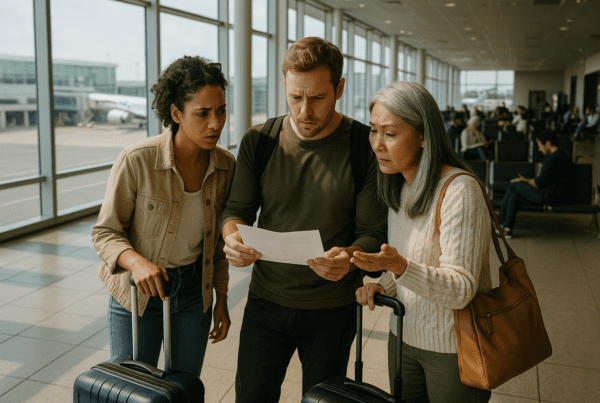

When travel insurance claims start to show patterns beyond the usual missed flights or lost luggage, it often signals something larger about the way people move around the world. Recent years, in particular, have seen shifts that suggest travelers are changing not just where they go, but how they think about risk, uncertainty, and flexibility.
The rise of health-related claims tells a broader story
Health issues have always been a major chunk of travel insurance claims, yet lately they seem to paint a more nuanced picture. According to data from insurers and industry groups, claims related to medical emergencies, including COVID-19, still figure heavily among the reasons people file. But beyond the virus, the rise in health claims points to growing caution around wellness when on the move. Travelers are more likely to seek coverage that explicitly includes pandemic-related care or coverage for unexpected health developments abroad.
This behavior reflects a combination of factors: the lingering presence of COVID-19 variants, changing international travel rules, and a wider public awareness of the challenges involved in securing care far from home. It also aligns with shifts reported by travel experts at the Travel + Leisure publication, where travelers say they now factor insurance coverage more centrally in planning a trip.
Trip cancellations and interruptions give clues about traveler uncertainty
Cancellations and interruptions have long been common claims, but recent figures show new layers of complexity. The reasons behind these claims have expanded well beyond traditional scenarios like illness or family emergencies. Political unrest, sudden border closures, and even natural disasters tied to climate change increasingly surface in the reasons people cancel or cut trips short.
This expansion in claim triggers connects with the reality that travelers today face a more volatile global environment. Some insurers have noted that travelers are purchasing policies not only as protection but as a hedge against unforeseeable disruptions. A study from the International Air Transport Association highlights how fluctuating travel restrictions affect passenger confidence and, by extension, the prevalence of cancellation claims.
When cancellations spike during heightened global tension or health scares, it shows that travelers are responding to uncertainty by seeking the ability to change plans without severe financial penalty. This kind of flexibility has gone from a luxury to an expectation for many.
Claims for trip delays and missed connections show persistent infrastructure stress
The increase in claims related to delayed flights or missed connections suggests ongoing challenges in airline and airport operations. Strikes, weather events, and staffing shortages often get the blame, but the financial fallout lands on travelers who find themselves needing insurance payouts to cover unexpected expenses such as hotel stays or alternative transport.
These patterns echo findings in reports from the US Bureau of Transportation Statistics and similar agencies worldwide. Persistent delays and cancellations feed into travelers choosing more comprehensive coverage or supplemental policies specifically targeting these risks.
What this reveals is a subtle shift from simply insuring major emergencies to actively managing more everyday travel hassles, all of which impact how and where people choose to travel.
The types of destinations and activities insured provide fresh insights
Beyond the ‘what’ in claims, the ‘where’ and ‘why’ tell their own story. Growing numbers of claims come from travelers heading into less traditional or more adventurous locations – places where medical care might be limited, or political climates are unpredictable. Insurance providers and travel analysts note a rise in policies bought for trips involving outdoor adventure, remote stays, or developing regions.
This shift might reflect both a desire for unique travel experiences and a heightened awareness of the risks involved. As more people explore these options after years of restricted movement, their insurance claims often relate to evacuations, specialized medical treatment, or simply unexpected delays caused by local infrastructure challenges.
Conversations with experts from industry leaders like Allianz Travel suggest a parallel increase in demand for coverage that includes adventure sports or activities that were once often excluded from standard plans.
The bigger picture: what this means for travelers and insurers
The recent data from travel insurance claims is a lens into evolving traveler priorities and realities. There is a clear signal that uncertainty is still very much part of international travel. People are managing that uncertainty by checking off more boxes in their insurance policies, reflecting a cautious but still hopeful approach to exploration.
On the flip side, insurers are adapting their offerings and pricing to reflect these new patterns. Understanding how travelers behave in response to risks – whether health, political, or logistical – helps the industry tailor products that better suit modern demands. That often means more flexible cancellation options, wider medical coverage, and attention to emerging travel styles and destinations.
All of this points to travel insurance as a real-time marker of shifting habits and priorities. It helps reveal not just what is going wrong on trips, but what travelers value most and how they adjust to an ever-changing travel landscape.
The links between claim patterns and travel behavior offer a practical reminder for anyone planning a trip. Being aware of these trends invites a nuanced approach to insurance and risk-one that balances curiosity, caution, and flexibility in equal measure.
For more on how health concerns continue to shape travel insurance choices, the Centers for Disease Control and Prevention maintains updated guidance that impacts traveler considerations globally.
Meanwhile, those interested in the ongoing financial and logistical challenges facing airlines might track evolving statistics through resources like the IATA Newsroom, which regularly reports on industry-wide conditions affecting traveler experiences.
Finally, a grounded understanding of emerging risk zones and how they intersect with travel has practical use for anyone buying a policy or planning an itinerary. The U.S. Department of State Travel Advisories page remains a trustworthy hub for tracking ongoing developments at popular and off-the-beaten-path destinations alike.
Sources and Helpful Links
- Travel + Leisure, coverage on travel insurance amid COVID-19 pandemic
- International Air Transport Association, analysis of travel demand post-pandemic
- US Bureau of Transportation Statistics, report on airline delays and cancellations
- Allianz Travel, travel insurance provider insights
- Centers for Disease Control and Prevention, traveler health guidance amidst COVID-19
- U.S. Department of State Travel Advisories, updates on global travel safety conditions