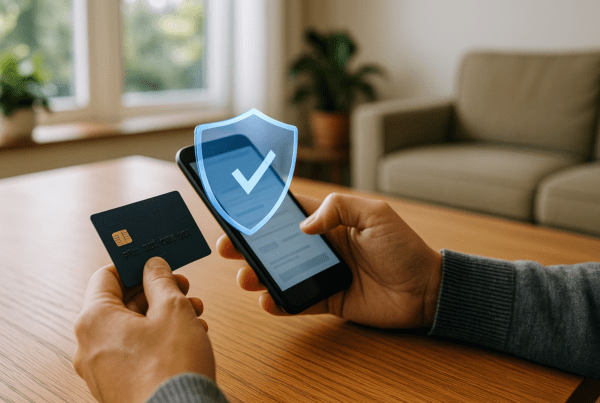

With digital commerce becoming deeply woven into everyday life, the fight between fraudsters and security teams plays out like a long, evolving contest. Each time online payment platforms roll out new protections, fraud tactics respond by changing shape, seeking out fresh vulnerabilities or soft spots to exploit. This ongoing push and pull reflects the broader reality that fraud and security are locked in an endless cycle of adaptation.
From blunt force to precision strikes in payment fraud
It was not long ago when most online payment fraud involved simple schemes like stolen card numbers randomly tested for use or basic phishing that cast a wide net hoping for some hits. Back then, the defenses consisted mostly of static checks and manual monitoring, so the fraud attempts often worked until they were caught and blacklisted.
As security systems matured, introducing CVV checks and early fraud detection tools, the old scattershot style lost effectiveness. Fraudsters started shifting tactics to instead focus on gaining trusted access through means that are harder to guard against. Social engineering, where attackers manipulate targets instead of systems, has become a critical component. Phishing emails have evolved to become highly personalized, using detailed information about victims to appear believable. Fraud operators now frequently pose as customer support agents or representatives of payment providers to coax users into revealing passwords, verification codes, or other sensitive data.
More subtle approaches also include tricking employees within organizations involved in payment processing or customer service. These insiders may be targeted with credential compromises or pressure tactics to enable unauthorized transactions or leak information. The shift in tactics recognizes that human trust and error remain the weakest links in the security chain.
The layered fortress and its stealthy challengers
Online payment systems today often employ multiple overlapping layers of security designed to catch unauthorized activity at every stage. Standard tools include 3D Secure protocols requiring additional authentication, biometric checks using fingerprints or facial recognition, and device fingerprinting that helps distinguish legitimate users from imposters. The addition of machine learning models that track user behavior patterns has also improved the ability to spot anomalies effectively. Rapid response monitoring tools can flag suspicious transactions in real-time.
Despite all this, fraud strategies have grown more nuanced. Malicious actors deploy malware that lies dormant until a victim uses a specific app or website, which then quietly harvests credentials or intercepts authentication messages without triggering alarms. The rise of “friendly fraud,” where valid cardholders claim unauthorized charges to reverse payments fraudulently, shows how attempts to defend can sometimes be exploited from unexpected angles.
This arms race creates challenges not only for preventing fraud but also for balancing security with customer convenience. More stringent verification can increase false positives where legitimate users are blocked or delayed, affecting satisfaction and trust. Meanwhile, fraudsters invest efforts in reconnaissance, testing defenses carefully to learn weaknesses that might be overlooked amid complex security webs.
New payment methods invite fresh attack strategies
The increasing variety of digital payment options has opened new doors for fraud. Mobile wallets, peer-to-peer transfers, and cryptocurrencies each come with their own vulnerabilities that scammers tailor their schemes against.
Mobile payments are often targeted with SIM swapping, a method that involves fraudsters taking control of a victim’s phone number. This allows interception of SMS-based authentication codes that banks or apps send as a second factor. Despite widespread awareness of SMS weaknesses, reliance on this method persists, providing ongoing opportunity for attackers skilled in social engineering or insider collusion.
Cryptocurrency transactions add a separate layer of complexity. Their decentralized and irreversible nature makes stolen funds difficult to recover. Scams in this space include fake exchanges that disappear after taking deposits, phishing campaigns aimed at wallet credentials, and fraudulent initial coin offerings designed to lure investors. Lack of widespread regulation and user unfamiliarity can make consumers and merchants vulnerable to these types of fraud.
Peer-to-peer payment platforms also often have fewer fraud safeguards compared to traditional banking systems. Their frictionless design can be taken advantage of by scammers impersonating trusted contacts to request payments or by using forged identities to create accounts. The speed and simplicity that appeal to users simultaneously reduce avenues for dispute resolution or detection.
The persistent challenge of the human element
Technology plays a crucial role in payment security but the human factor remains the most exploitable vulnerability. Fraudsters know how to exploit trust, urgency, and distraction. Messages crafted to create panic or curiosity can lead even cautious people to make mistakes. A convincing phone call or email that appears to come from a legitimate source can bypass skepticism.
Recognizing that education is a frontline defense, many financial institutions invest in user awareness campaigns. These efforts provide practical advice on spotting suspicious messages, verifying contacts outside of provided channels, and adopting safer authentication tools like dedicated authenticator apps instead of SMS codes. Some providers now encourage or require security keys or push notifications, which are less vulnerable to interception.
Despite these advances, building habits and awareness is difficult. The human tendency to seek quick fixes or to trust familiar brands means fraud will find openings. Security that relies entirely on technology without addressing behavior is incomplete.
Keeping pace in an uncertain landscape
The contest between fraud and payment security is ongoing and dynamic. Neither side achieves a permanent advantage. New security solutions prompt fraud to innovate, and rising fraud complexity spurs more defenses. The experience shows that vigilance is not a one-time achievement but a continuous process.
For consumers, small actions remain meaningful. Reviewing statements carefully, using strong, unique passwords, avoiding suspicious links, and staying informed about current scam trends all help reduce risk. At the same time, regulators and industry bodies work to create standards that encourage stronger protections without creating undue burdens for merchants or users.
Understanding the subtle dance of fraud adapting to security progress offers insight beyond headlines. It highlights how fraud is not just a technical problem but a reflection of real human behavior and economic incentives that cannot be easily changed. Observers who keep watching these patterns are better equipped to respond thoughtfully and protect digital payment systems without sacrificing their convenience.
Further practical information is available through resources such as the Federal Trade Commission’s identity theft hub, which offers consumer advice and updates. The EMVCo organization provides details on global security standards evolving in the payments sphere. Industry analyses on trends appear frequently on platforms like PaymentsSource, connecting fraud developments to broader market shifts.
Sources and Helpful Links
- Federal Trade Commission Identity Theft Hub, comprehensive consumer protection and advice resource
- EMVCo Payment Security Standards, details on EMV and payment security protocols
- PaymentsSource, reporting and analysis on payments industry trends