When it comes to paying for things online, the average consumer today faces a surprising number of choices. From digital wallets to direct bank transfers, credit card gateways, and even newer buy now, pay later services, the ecosystem has grown far beyond a single, uniform approach. Yet, despite this variety, certain methods rise in popularity while others linger on the edges.
Convenience and Familiarity As Cornerstones
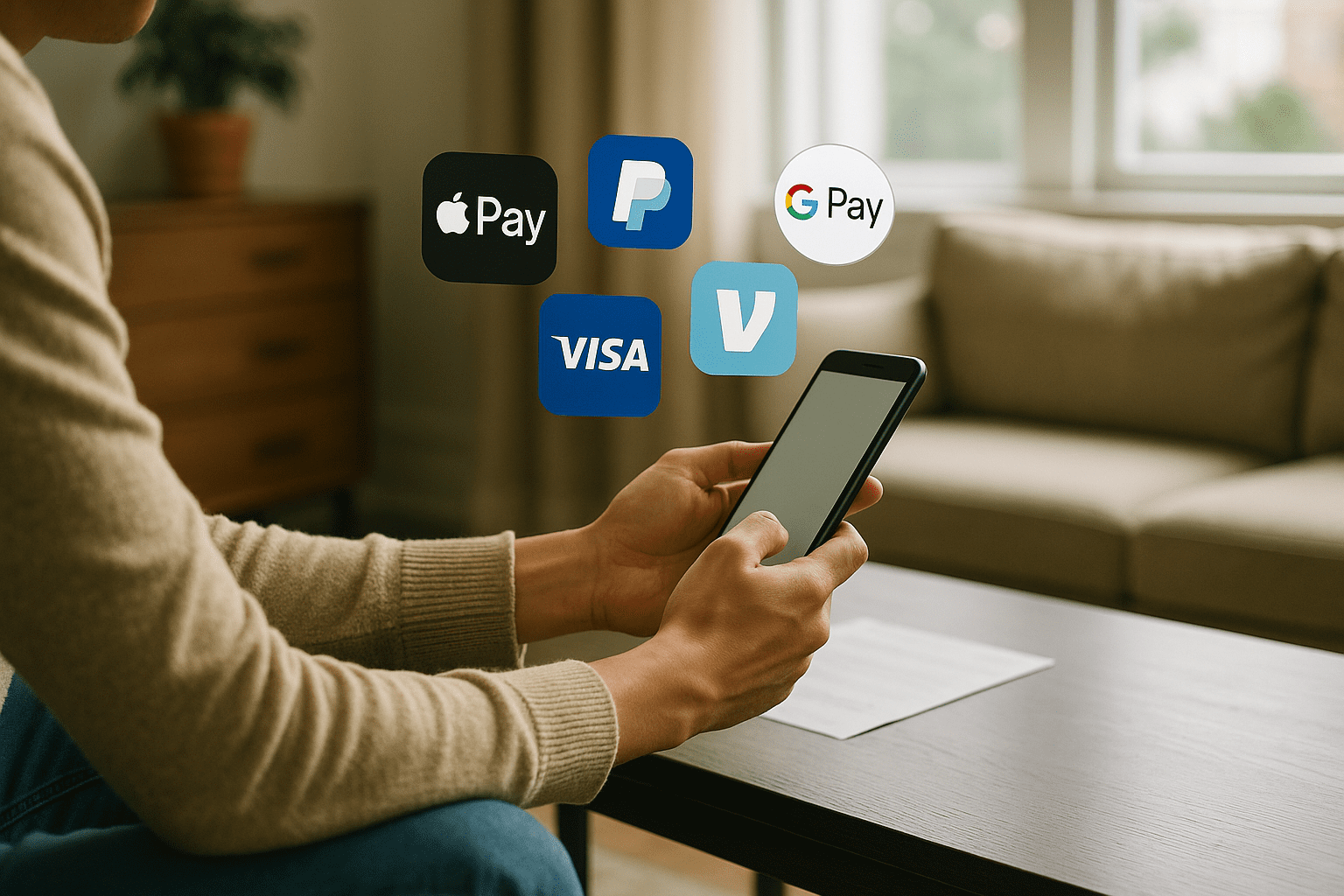
It is tempting to assume that every innovation in online payments automatically attracts consumers, but a visible pattern suggests that familiarity matters greatly. People often lean toward solutions that fit seamlessly into their existing digital habits. For instance, those who frequently use social networks sold alongside payment functions, like Facebook Pay or Apple Pay, might gravitate toward these because of how effortlessly they integrate with daily browsing and communication.
Convenience goes beyond just ease of use in a single transaction. It encompasses how consumers perceive the overall process including setup, frequency of use, and availability of customer support when things go wrong. For example, PayPal has maintained a solid user base in part because it offers a reliable interface coupled with dispute resolution services, which ease consumer anxiety over online fraud or transaction failures.
Security Concerns and Trust Remain Paramount
Security occupies a central role in deciding which online payment solutions gain traction. Reports of data breaches, phishing attacks, and unauthorized charges have made many consumers wary, leading them to favor providers perceived as above reproach. This is especially evident when payment solutions are backed by well-known banks or technology firms, as the brand recognition instills a sense of trust.
On the other hand, some users are cautious about giving too much financial information to third-party apps. The decision to stick to credit cards directly, or use digital wallets that act as intermediary layers without exposing full account details, speaks to a balancing act between convenience and privacy.
This wariness is visible in the slow adoption of newer, less familiar fintech products despite their promises of speed or cost savings. It highlights how the intangible perception of trust can outweigh tangible technical advantages when consumers assess risk versus reward.
Everyday Context Shapes Payment Choices
Beyond broad concepts like convenience and security, the context in which consumers typically shop or pay influences their payment preferences. For recurrent bills or subscription services, automatic payments via direct debit or platform-specific wallets have found favor for the way they remove friction each month.
In contrast, one-time or rare purchases often lead users to opt for ephemeral payment methods that require minimal commitment, such as virtual cards or one-click payments enabled by browsers or apps. These approaches reduce the cognitive load and time spent per transaction, fitting well into the occasional nature of the purchase.
Cultural and geographic factors also play a part. Markets where credit card penetration is low might see faster uptake of mobile money or UPI systems that do not rely on credit cards. These methods can better accommodate local banking infrastructure and consumer expectations.
The Role of Incentives and Fees
Price factors, hidden fees, and rewards programs significantly sway consumer preferences as well. Payment services that offer cashback, loyalty points, or discounts tend to attract users seeking additional value. Conversely, fees perceived as complex or excessive can quickly deter use even if the underlying technology is robust.
Merchants and platforms sometimes tip the balance too by endorsing certain payment methods or offering exclusive deals to those who use specific solutions. This commercial dynamic creates a landscape where consumers might choose based on what the seller prefers or rewards rather than pure personal preference.
How User Experience Influences Long-Term Adoption
Perhaps the least immediately visible driver is the overall user experience beyond the initial transaction. Solutions that remain reliable, minimize friction during peak activity, and keep evolving user interfaces in line with consumer expectations tend to keep users engaged.
Apple Pay, for instance, benefits from tight integration into the iPhone ecosystem, allowing for a consistent experience across retail, app, and web environments. Online banks pushing their own payment products often bundle features to maintain loyalty by making switching costs high from a usability standpoint.
In the end, consumer preferences are rarely about just one feature or benefit. Instead, they reflect a layered relationship with technology built up over time, combining personal habits, real-world trust, contextual needs, and sometimes even emotional comfort.
If the current landscape of online payments seems confusing, it is because each person approaches it with a different blend of priorities and concerns. No single solution dominates universally – the market thrives on this diversity that mirrors the complexity of everyday life itself.
New entrants to this space face steep challenges convincing users beyond sleek interfaces and marketing. While innovation matters, it must align with deep human factors-how people really think about money, risk, and convenience in daily routines. Those who grasp and respond to these realities are the ones likely to shape the next chapter of online payment behavior.
For those curious about different types of online payment options, resources like the Federal Trade Commission’s guide on paying safely online or detailed comparisons on Investopedia’s explanation of payment methods provide practical perspectives. Meanwhile, industry observers often turn to reports from Statista’s data on payment method trends to track shifting patterns in user adoption and regional preferences.
Understanding what drives consumer preferences is not just a matter for businesses but helps everyday people navigate their own choices with clearer awareness of the tradeoffs in a digital payment world that keeps evolving.