
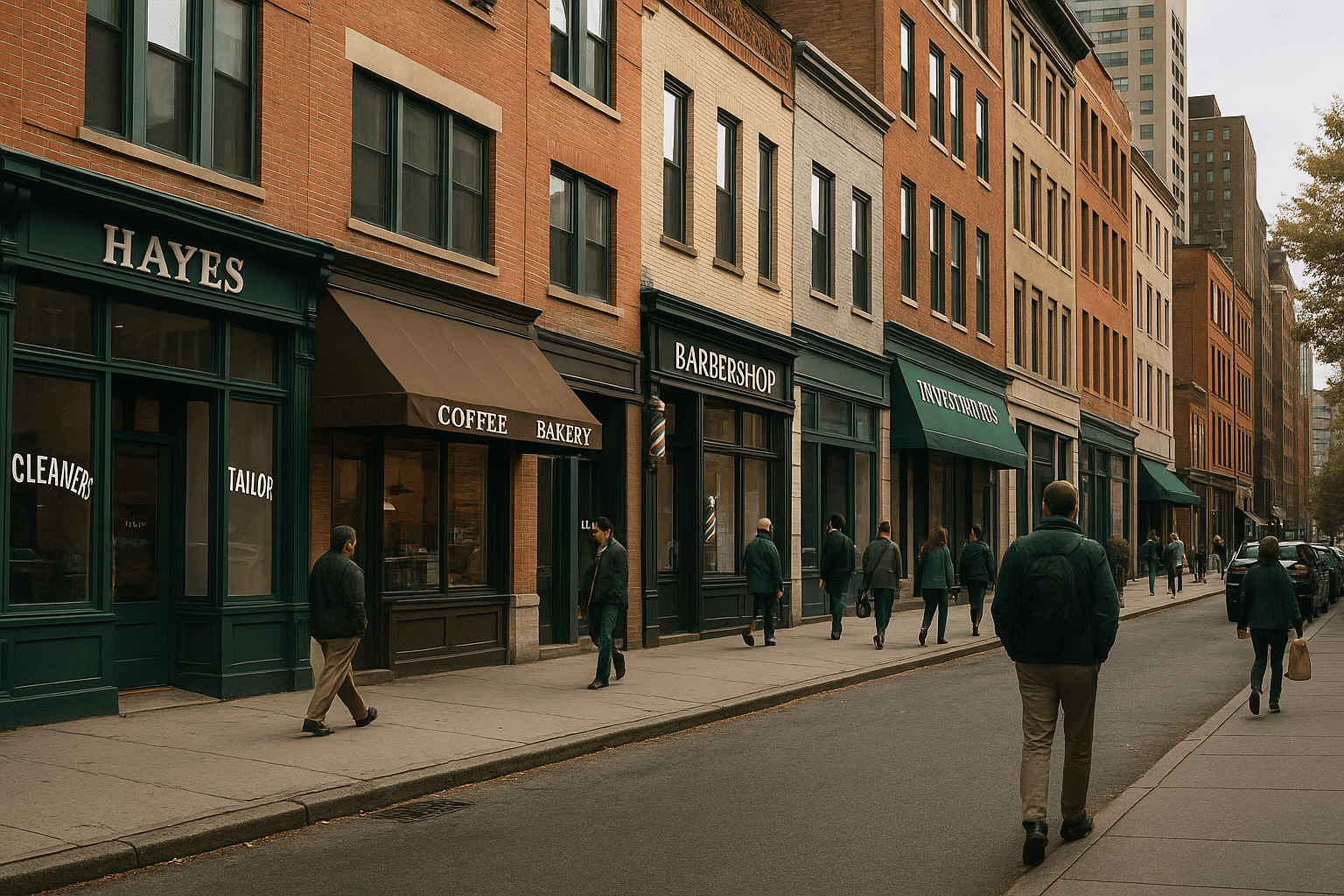
The energy of city life brings vibrancy to small businesses but also layers of risk with its own complexities. Insurance claims in urban centers are shaped by factors ranging from neighborhood crime patterns to the changing fabric of commerce itself. Recent data offers a clearer view of how these dynamics play out in claims-who is affected, what kinds of losses occur, and how these realities influence the financial footing of small enterprises.
The Rhythm of Risk in Urban Settings
Small businesses in cities operate where dense populations and diverse activities collide. Property damage from fire, theft, and vandalism remains some of the most common claims. However, the frequency and nature of these claims differ widely across urban neighborhoods. Districts in transition or under redevelopment might report fewer thefts or vandalism but show increases in claims tied to construction accidents or interruptions. In contrast, established neighborhoods with historically higher crime rates continue to see elevated theft claims, a trend documented by the National Insurance Crime Bureau.
Claims related to liability carry their own urban hallmarks. Crowded sidewalks and busy storefronts increase the risk of slip and falls, while food service businesses face ongoing exposure to claims of foodborne illnesses. These liability claims constitute a significant portion of payouts in city environments. According to the Insurance Information Institute, the volume of pedestrian traffic elevates the likelihood of accidents becoming insurance cases, emphasizing the unique challenges of urban risk management.
The Pressure of Coverage Limits on Recovery
Beneath the statistics there is a recurring story of coverage gaps. Many small urban businesses juggle tight budgets while balancing emerging risks, leading to policies that fall short of fully protecting them. Data suggests a significant share of these businesses carry minimal or no business interruption coverage. This can leave owners vulnerable when unforeseen events, from floods to prolonged closures, impact their operations.
Such gaps expose businesses to financial strain well beyond the initial claim. For instance, without adequate interruption or property coverage, recovery from flood damage can be prolonged and expensive due to uninsured losses. Similarly, liability coverage limits can prove inadequate in severe injury claims arising from crowded urban settings. The U.S. Chamber of Commerce notes that many business owners only discover these shortfalls after an incident occurs, suggesting a largely reactive approach to insurance rather than proactive planning.
This pattern highlights a persistent issue: insurance literacy and tailored advice remain underutilized in fast-paced urban markets, where risks and exposures can shift rapidly with social and economic changes.
Economic Shifts Cast Long Shadows on Claims
Insurance claims among small businesses in cities reflect broader economic currents. Inflation has driven up costs for repairs and replacements, increasing the amounts insurers must pay on claims. This inflationary pressure also influences premium rates and complicates claim administration, leaving business owners and insurers to navigate fresher complexities in loss recovery.
Labor shortages further extend the timeline for repairs and recovery. In sectors where human presence is critical, like retail and hospitality, delays can significantly worsen financial impacts. Longer claims cycles mean more stress and longer disruption for small businesses still finding their footing.
Moreover, shifts in how people use urban spaces add new dimensions to risk. As cities recover and draw more visitors following pandemic-related declines, foot traffic rises. This growth creates opportunities but also increases liability exposures linked to crowded environments, including slips, falls, and property wear. These evolving dynamics demand ongoing attention from insurers and business owners to align coverage with changing realities.
Emerging Data Patterns and What They Suggest
Recent claims data paints a picture of both challenge and opportunity. The trend toward granular data collection and more sophisticated analytics is enabling insurers to craft policies better tailored to neighborhood and business needs. Recognizing that a one-size-fits-all approach does not suit the diversity within urban areas, some insurers are shifting toward customization based on real-world conditions.
For small business owners, these developments highlight the importance of informed conversations about insurance that extend beyond checking boxes. Discussions now often involve preventive approaches, community resources, and understanding regional economic influences. Both insurers and owners are starting to appreciate how policies designed around local context can support business resilience more effectively.
Beyond individual businesses, claims data serves as a valuable barometer of urban economic health. It also identifies where community-level measures or regulatory efforts may help reduce risks, whether through improved safety infrastructure, enhanced public programs, or targeted post-incident assistance. This interconnected perspective suggests a broader ecosystem approach is needed for small businesses to thrive amid the inherent risks of city life.
Ultimately, insurance claims from urban small businesses reflect the city’s pulse-its vibrancy alongside vulnerability. Careful analysis of this data enriches understanding about how coverage can evolve to meet real and shifting needs at the heart of urban economies.
Sources and Helpful Links
- National Insurance Crime Bureau, reports on crime-related insurance risks
- Insurance Information Institute, facts and figures on business insurance
- U.S. Chamber of Commerce, insights into small business insurance gaps and claims trends