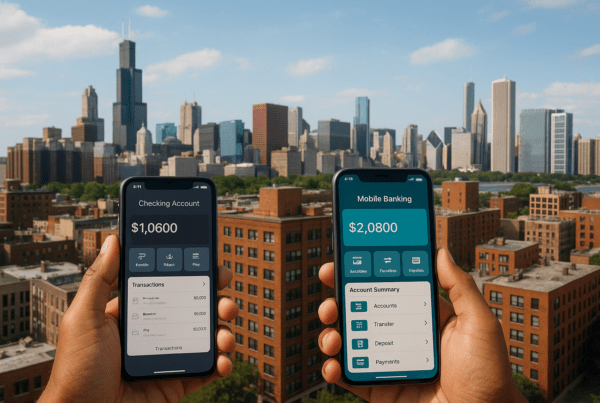

Wealth building has long been framed by familiar habits. Save diligently, spend wisely, invest steadily. But the patterns underwriting these routines have subtly shifted in recent years. The financial behaviors people adopt around saving and spending now ripple through how they accumulate wealth, bringing fresh implications for personal finance and broader economic trends.
Small Changes, Big Ripples
Look closely and new saving habits show up everywhere. For some, it means moving away from traditional savings accounts toward micro-investing platforms that promise more active engagement. For others, it’s a shift toward valuing liquidity, holding cash buffers to navigate a less predictable economy rather than locking money away. This preference echoes a larger cultural mood: skepticism about steady growth, a muted belief in gifts from compound interest, and a readiness to pull spending levers at the hint of economic turbulence.
This change is significant not just for individual portfolios but also for how wealth aggregates across society. When people prioritize easy access to funds over extended growth strategies, wealth building morphs from a slow and steady climb into something more fragmented and elastic. This tendency could reshape the traditional image of building a nest egg through uniform, planned saving.
The Role of Digital Tools and Social Influence
The proliferation of financial technology reshapes saving and spending habits in unexpected ways. Apps that automate saving small amounts or that gamify financial goals transform saving from a chore into an element of daily interaction online. Meanwhile, peer influence through social media platforms pressures spending decisions as much as saving ones. This blend of social validation and instant gratification complicates the line between spending for enjoyment and spending to signal success, which in turn alters how people think about wealth.
These tools create an environment where the margin between saving and spending can feel more fluid. It’s common now to see conversations about money intertwining motivations for immediate wellbeing with longer term financial security goals. Users might start with a saving goal but find themselves tempted by an impulsive purchase, or vice versa. The psychological framing around money becomes more dynamic, and wealth building integrates these real-time emotional and social factors.
Reworking the Budget: An Adaptive Mindset
Traditional budgeting, once a staple for disciplined saving, faces new tests. The classic balance of income, expenses, and saving goals still holds, but it often bends to accommodate unexpected income sources or shifting expenses. Gig work, freelance income, and evolving job scenes complicate this balance further. When income fluctuates unpredictably, saving strategies must become adaptive rather than fixed. This results in more attention to flexible spending plans that conserve wealth even amidst uncertainty.
In fact, the concept of an emergency fund has gained renewed importance as a foundation of wealth building. It’s no longer just a cautionary fund but a primary pillar that supports agility in financial planning. People appear increasingly aware that wealth is not just about accumulation but also preservation tied closely to maintaining spending flexibility during downturns or periods without steady income.
The Interplay Between Mindsets and Market Realities
Behavioral shifts in saving and spending do not unfold in isolation from broader economic conditions. Inflationary pressures, interest rates, and housing market dynamics all influence what behaviors make sense at any given time. For instance, with low interest rates on savings accounts, some people choose to direct funds into assets perceived to offer better returns, like stocks or real estate, even if it simultaneously introduces more risk. Conversely, when markets show volatility, there is often a retreat to cash or liquid assets, reflecting a cautious stance.
This ebb and flow reveals something deeper about wealth building trends: that they are as much about psychology as they are about pure financial math. People reconcile their money choices with worries about volatility, personal experiences of economic disruption, and the immediacy of living expenses. Financial institutions and advisors observe this shift, recognizing that advice must integrate emotional comfort with strategic goal-setting to be effective.
The multifaceted nature of these trends explains why the financial journeys individuals take often deviate from textbook approaches, reflecting the complex world they navigate daily.
What This Means for the Future
Over time, the way people build wealth will likely continue evolving under the pressure of changing habits around saving and spending. The pace at which money moves in and out of accounts will shape asset accumulation in new ways. Financial education too will need to grow beyond rote saving advice to include conversations about flexibility, emotional factors, and digital influences.
Above all, wealth building looks less like a uniform march and more like varied paths shaped by individual circumstances, attitudes, and evolving economic landscapes. This reality invites a more nuanced appreciation of how wealth forms and persists, grounded in real life rather than idealized financial models.
As these behavioral undercurrents deepen, financial systems and personal strategies alike will have to respond. The contours of financial security and success depend increasingly on navigating these subtle shifts with awareness and adaptability.
Understanding the connection between saving and spending habits and wealth trends provides valuable insight. It highlights not only how money moves but how people live with money in their daily realities.
Money habits reveal much more about wealth building than numbers alone. They tell the story of how people negotiate hopes, fears, and tradeoffs across times and circumstances.
Sources and Helpful Links
- Federal Reserve, Economic Well-Being of US Households, annual report exploring financial behaviors and conditions
- Consumer Financial Protection Bureau, Insights on Emergency Savings, analysis of household saving patterns
- Center on Budget and Policy Priorities, Promoting Savings, policy discussion on savings behavior and wealth building
- McKinsey & Company, Digital Disruption in Financial Services, analysis of how fintech affects consumer finance behavior