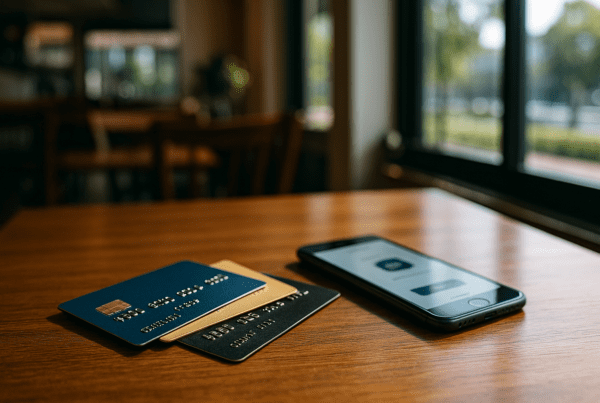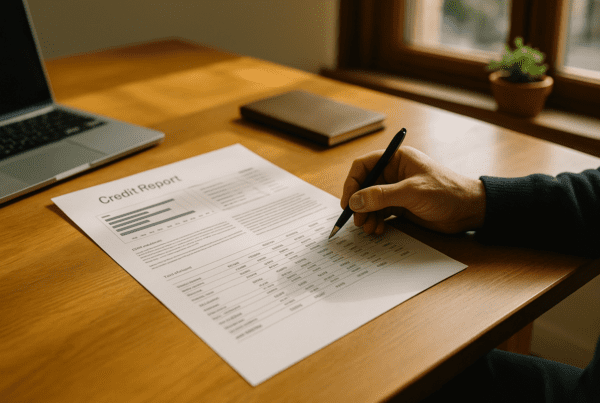
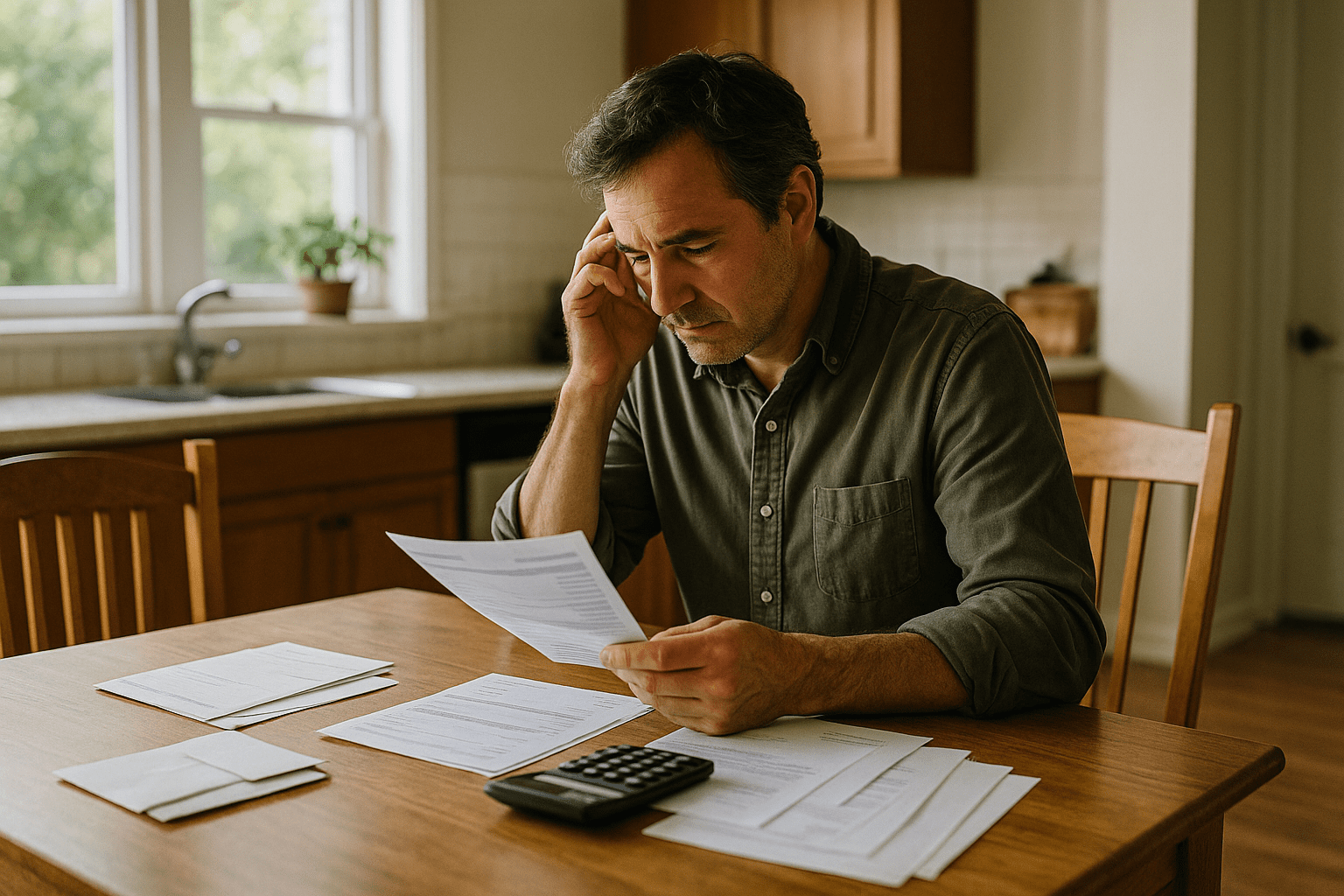
When the economic tide shifts toward slower growth or contraction, the ways in which people use credit cards reveal much about their financial footing and everyday concerns. Unlike dramatic headlines about markets or unemployment, these clearer, steadier changes in card use provide a grounded view of how households adjust money habits amid uncertainty.
The Pause in Spending Moves in Fits and Starts
It might be easy to think that consumers simply cut spending everywhere equally when the economy slows down. Yet spending cutbacks on credit cards tend to be uneven and more reactive than carefully planned. Many households delay certain purchases but keep using cards for daily essentials. For instance, expenses on dining out, entertainment, or clothing often shrink first, while bills for groceries and fuel hold steady or even rise.
Looking back at past slowdowns like the 2008 financial crisis or the economic downturn around 2020, data from the Federal Reserve’s Consumer Credit Report illustrate that credit card balances sometimes climb even as people pull back on discretionary spending. This suggests many turn to cards as buffers when cash flow tightens, paying for essentials or bridging gaps.
Such patterns remind us that credit card spending is not simply about cutting back but balancing priorities carefully. Households juggle reducing nonessential expenses while managing ongoing costs without much flexibility.
Rising Balances Tell a Quiet Story of Strain
Credit cards offer borrowing flexibility but often come with high interest rates. During economic slowdowns, more people begin carrying revolving balances, according to trends tracked by Experian’s Consumer Credit Trends. This reality points to some households relying on credit cards simply to meet basic needs when income feels uncertain.
Two trends stand out. First, an increase in consumers making only minimum payments, which usually means financial pressure rather than deliberate strategy. Second, a noticeable drop in new credit card openings reflects rising caution from banks and borrowers alike. Lenders often tighten credit availability during uncertain periods, lowering credit limits or approving fewer applications. Consumers pick up on this and may hesitate to apply for new cards or increase existing balances, aware they are under closer credit scrutiny.
Rewards and Fees Complicate Spending Choices
Even in tough economic times, credit card rewards-cash back, travel points, or other perks-continue sparking strategic use for some cardholders. Many try to earn benefits on essentials, stretching value from necessary spending. But card issuers may also raise interest rates or fees in riskier economic moments, adding pressure.
Annual fees, late payment fees, or other charges loom larger when budgets tighten. The Consumer Financial Protection Bureau monitors how fee changes affect consumer choices. Their findings indicate rising sensitivity to fees during slowdowns pushes some people to drop costly cards or cut back on card use. The dance between chasing rewards and dodging fees adds a layer of complexity to how credit card habits shift.
How Shifts in Credit Use Cast Longer Shadows
Changes in credit card use ripple across many aspects of household finances. Altered credit utilization and payment reliability influence credit scores, which in turn shape conditions for mortgages, auto loans, and other borrowing. These shifts can intensify strain on already stretched budgets.
Using credit cards as stopgap measures risks creating cycles of borrowing and repayment that linger well beyond the slowdown. Interest accrued in challenging times does not vanish quickly. This pattern can trap some consumers in extended financial stress, highlighting underlying household vulnerabilities often unseen in broad economic reports.
Long-term data from organizations such as Credit.org confirm that credit defaults and charge-offs tend to rise after economic slowdowns, even if total borrowing declines. This indicates that reduced card spending does not necessarily mean improved financial health.
Watching these shifts in credit card use furnishes a richer, more textured view of economic slowdowns in real life. The mix of pulling back on spending, rising use of credit, sensitivity to fees, and evolving credit scores weaves a complicated story often missing from high-level headlines.
Consumer confidence and lender responses continue interacting, shaping credit card patterns that both reflect and influence broader economic trends. Observing this interplay helps explain why credit card statements sometimes feel disconnected from general news about the economy. Instead, they offer a practical window into the financial pressures and adaptations households face day-to-day.
Understanding this dynamic encourages a more realistic appreciation for the challenges of managing money when uncertainty prevails and highlights the subtle but meaningful ways credit card behavior tracks economic health in households.
Sources and Helpful Links
- Federal Reserve Consumer Credit Report, official data on credit market usage
- Experian’s Consumer Credit Trends, insights into credit behavior and statistics
- Consumer Financial Protection Bureau Credit Card Resources, guidance on fees and consumer protections
- Credit.org Credit Card Statistics, long-term trends in credit card default and charge-offs