It is easy to take for granted how frequently we reach for our phones to check balances, transfer funds, or pay bills. Mobile banking apps have become a constant companion in everyday money matters, integrating themselves into financial routines in ways that were inconceivable fifteen years ago. But beyond simple convenience, these apps are quietly shaping how people save and spend, not just because of the technology itself but because of how it changes our relationship with money.
The shifting landscape of financial awareness
One of the more subtle influences mobile banking apps have is increasing immediate financial awareness. Where before, balancing a checkbook or waiting for a statement was the norm, today, a quick tap reveals exactly what went out and what came in. This real time visibility can make spending feel more tangible or urgent. Notifications about purchases can pull spending into clearer focus, reminding users almost instantly about decisions that might have felt abstract with paper statements.
This immediacy sometimes encourages more cautious behavior in spending. People may hesitate before buying something when they know their phone will notify them immediately about the transaction. It can lead to a moment’s pause, a rethink in that split-second when a card is swiped or an app confirms a payment.
That does not mean every person reacts with restraint. For some, instant access can tempt more frequent spending, especially when mobile payments and digital wallets simplify the process. The frictionless nature of app payments removes some traditional barriers to impulse spending like the nervousness that can come when handling physical cash.
Saving in the era of automation and nudges
On the saving front, many mobile banking apps come with features designed to help users save effortlessly. Automatic transfers to savings accounts, round-up programs that collect spare change from purchases, and personalized goal trackers are increasingly common. These features harness the app’s constant presence to nudge users toward accumulation without the need for conscious budgeting.
Tech companies understand the behavioral economics behind incremental saving. By translating saving into bite-sized actions, the app experience lowers the psychological hurdle often associated with financial planning. This can make saving less daunting and more habitual, especially for those who might struggle with traditional approaches.
Still, the effectiveness of such features rests on individuals maintaining a sense of control and understanding. Without that, automatic transfers can surprise users if not clearly communicated or if financial circumstances change unexpectedly. In some cases, these conveniences can mask the real status of one’s finances if people rely exclusively on app nudges and neglect broader money management.
Budgeting transformed by digital visibility
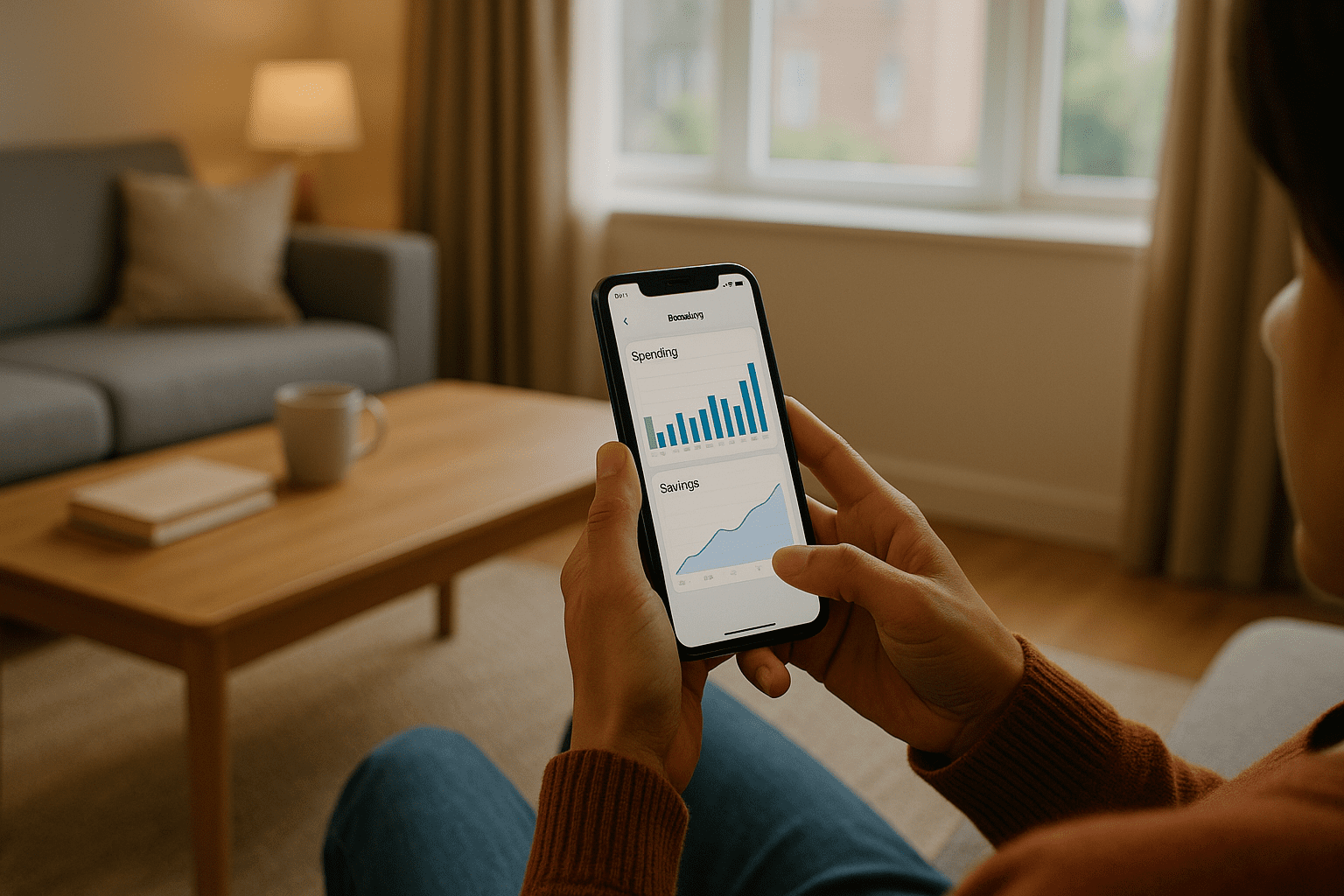
Budgeting has received its own quiet makeover courtesy of mobile banking. Apps frequently categorize spending automatically, generating charts and reports that highlight where money flows. The data visualization helps to transform abstract spending categories into concrete figures people can see at a glance.
This transparency can encourage adjustments that feel immediate and achievable. Seeing a spike in dining out expenses or noticing recurring subscription charges can prompt re-assessment more readily than noticing these only after receiving a monthly paper statement.
However, there is a balance to strike. An over-reliance on app-generated categories can sometimes lead to fragmented attention or cause people to focus too much on one area, ignoring bigger financial goals or risks. The risk is turning budgeting into a purely reactive pursuit rather than strategic planning.
Accessibility and inclusivity in financial habits
Mobile banking has expanded financial access for people who may have previously gone without traditional banking relationships. This inclusion can influence saving and spending patterns by broadening who is able to participate in digital finance tools. For many, the app represents the primary or only interaction with a bank.
This reality showcases both promise and pitfalls. On one hand, mobile access supports better money management by expanding tools available; on the other hand, it may expose users to new challenges like understanding fees, avoiding scams, or navigating complex app interfaces without direct human assistance.
The variation in app design quality and banking product options means experiences differ widely, and some may feel empowered, while others grow frustrated or overwhelmed. These divergent experiences can shape financial behaviors in significant ways over time, sometimes encouraging stronger habits, other times entrenching difficulties.
A subtle change in how money feels
Besides concrete features, mobile banking apps subtly change the emotional texture of money. With balances updated in real time and spending alerts appearing as soon as transactions happen, money becomes more of a flowing presence than a static number in a ledger or statement. This can make wealth feel more fluid, possibly less concrete, for better or worse.
Some users report feeling empowered by this constant flow, appreciating the ability to react quickly to changes in their finances. Others find it stressful, as the immediacy can foster a sensation of financial vigilance that never lets up. Either way, it marks a distinct shift from periodic accounting to continuous engagement.
As behavioral studies show, this ongoing interaction with money through a screen can alter long term habits, sometimes improving saving tendencies but occasionally promoting spending driven by momentary impulses. It also changes how people mentally categorize money, blending availability, allocation, and aspiration into a single experience rather than discrete mental buckets.
Overall, mobile banking apps are changing the rhythm and texture of financial life. By making money movement more visible and interactive, they influence how people think about saving and spending. The technology offers tools that can support better habits and awareness for some, while for others it represents a shift toward more immediate but not always deliberate financial decisions. What remains clear is that these apps are integral not merely because of the transactions they enable but for the way they reshape everyday relationships with money.
Whatever the direction, this fusion of technology and money is becoming the default setting for much of the population, quietly embedding itself in the daily financial habits that shape broader economic realities.
Sources and Helpful Links