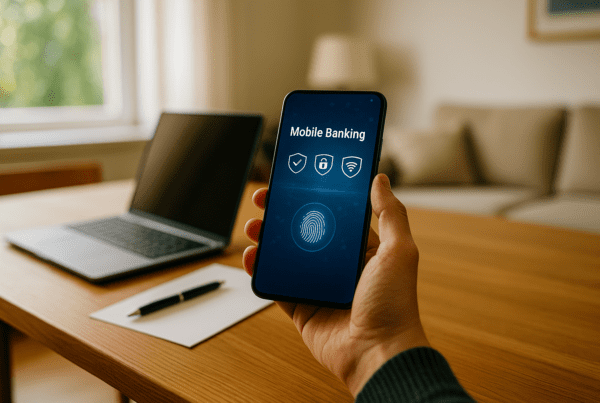
Mobile banking has become a fixture of modern financial life, offering convenience that most users hardly question. Yet this convenience carries an ongoing shadow of risk: fraud and unauthorized access remain significant concerns. As financial technology deepens its reach into daily lives, security measures must evolve not only to keep pace with threats but to do so in ways that suit actual user behavior.
How Behavior Creates a Unique Security Signature
Traditional security tools like passwords and PIN codes have always been vulnerable to theft and guesswork. Fraudsters find ways around them, and users often reuse or choose weak codes that make it easier. The latest wave of security emphasizes understanding the user through their behavior, turning the way they hold, touch, and interact with their phone into a protective layer.
Behavioral biometrics track subtle aspects such as the pressure and rhythm of typing, the speed of swiping, or even how the phone is tilted during use. Apps quietly assemble these details into a profile that represents the legitimate user’s typical actions. When an attempted access features an unusual pattern, the system can pause and prompt additional checks.
Research discussed by the UK National Cyber Security Centre illustrates how these behavioral measures uncover suspicious activity that escapes many traditional defenses. The nuances of how people naturally use devices create a kind of fingerprint that is harder for attackers to replicate.
Layering Biometrics for Deeper Security
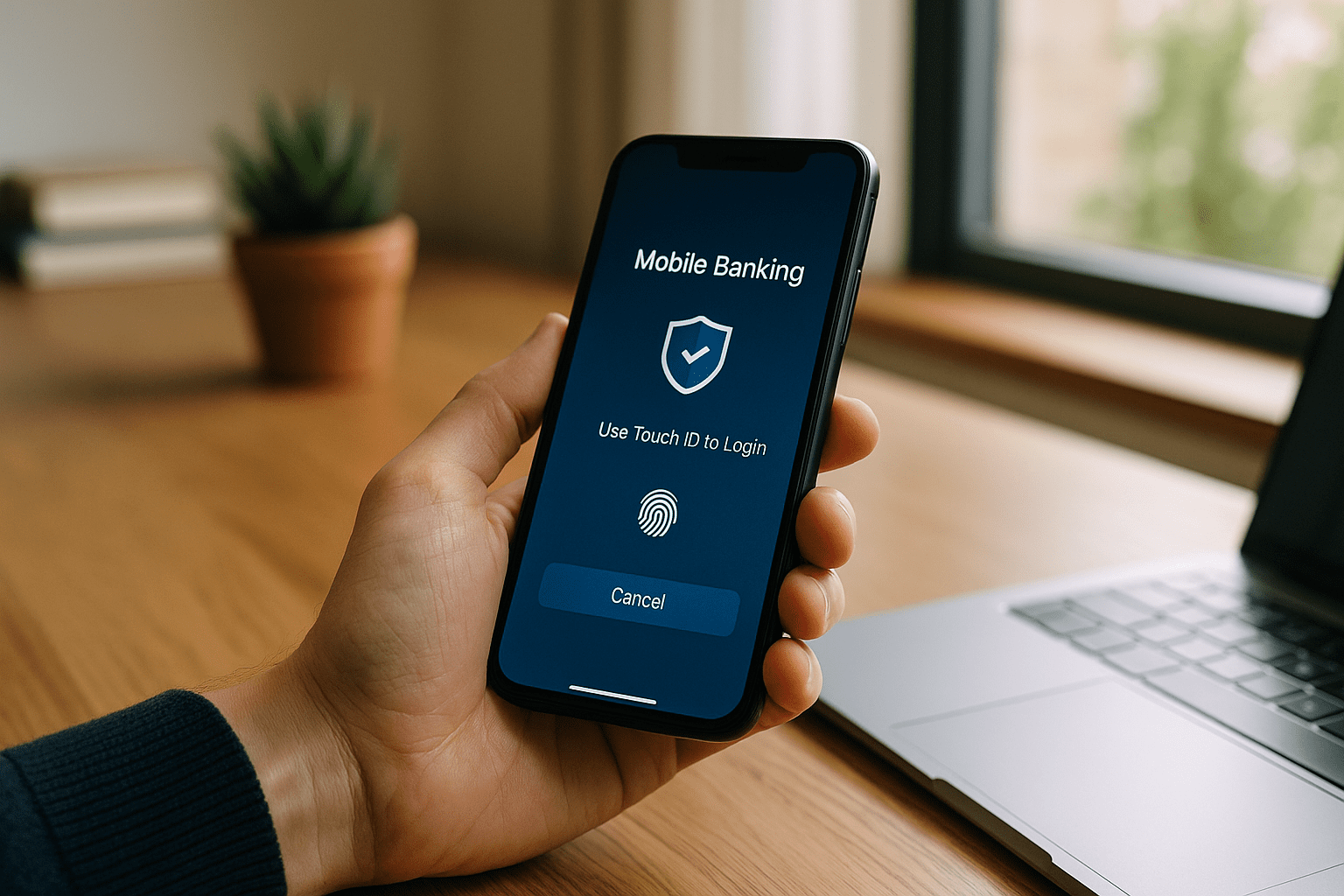
Fingerprints and facial scans have become standard in mobile banking security, but emerging systems go further by combining multiple biometric signals. Voice recognition, analyzing patterns in speech tone and cadence, has begun to complement these existing measures while iris scanning is gaining ground as a highly precise, though less common, method.
These layered biometrics create more robust safeguards by requiring multiple unique traits rather than relying on any single factor. Privacy concerns have prompted development of rigorous encryption and isolated handling of biometric data, limiting exposure and reassuring users wary of data misuse.
The Federal Reserve notes that these biometric advances reduce reliance on vulnerable passwords and mitigate account takeovers, while enhancing the overall user experience by making verification more fluid and natural.
Constant Vigilance Through Transaction Monitoring
Fraud does not only occur at login. Often the most damaging fraud happens during transactions after access is granted. Big transfers or unusual spending patterns can be a sign that an account has been compromised.
Banks have introduced real-time transaction monitoring integrated into mobile banking software. These systems use algorithms trained on vast historical data to distinguish routine behavior from outliers. When an abnormal transaction is detected, the app or bank can intervene immediately, blocking or flagging the activity.
This sort of rapid response is vital for damage limitation and quick resolution, especially as fraudsters attempt swift moves to avoid detection. The FBI’s Financial Crimes Section describes the positive impact of such tools on reducing financial losses and improving fraud response times.
Invisible but Vital: Encryption and Infrastructure
At the foundation of these visible security steps lies encryption, protecting data in transit between phones and bank servers. End-to-end encryption renders intercepted information unusable to attackers, forming a technical bedrock for secure communication.
Banks also invest heavily in cybersecurity infrastructure: continuous vulnerability testing, intrusion detection, and hardened server environments keep the backend defenses strong. As new threats emerge worldwide, this invisible shield often determines how resilient banking platforms will be.
Looking ahead, quantum computing looms as a potential disruptor to current encryption methods. Industry researchers, documented in sources like Technology Review, are exploring quantum-safe algorithms to prepare for this next frontier of cybersecurity challenges.
Security That Matches User Rhythm
One of the most significant shifts in mobile banking security is a move from rigid barriers to adaptive, user-friendly protection. Too many users give up on apps that feel cumbersome or intrusive with repeated security checks.
Modern systems focus on risk-based authentication that adjusts continuously as user behavior and transaction context change. When everything looks typical, the user experience flows smoothly. Additional hurdles only appear if there is an actual reason for concern.
Biometrics increasingly operate in the background, verifying identity silently as users interact naturally. Notifications about potential fraud become more precise, cutting down on alert fatigue and helping users trust their banking platforms rather than view them as sources of frustration.
These innovations reflect a broader understanding that fraud risks shift constantly and that security cannot be a one-size-fits-all approach. Instead, protection has become a dynamic partnership between technology and behavior.
As mobile banking continues to blend deeply into how people manage finances worldwide, these newer security features aim to be both robust enough to block fraud and subtle enough to feel like part of the natural flow of managing money. The goal is to keep accounts safe without adding friction, allowing users to focus on what matters most-their financial lives and goals.
Sources and Helpful Links
- UK National Cyber Security Centre, insight on behavioral biometrics and fraud prevention technology
- Federal Reserve Publication, analysis of biometric security techniques in finance
- FBI Financial Crimes Section, overview of fraud trends and detection methods
- Technology Review, article on advances in quantum-safe encryption