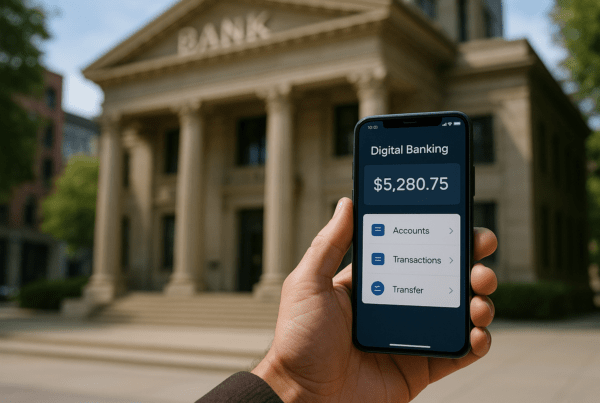

Digital banking used to be a nice alternative to the traditional branch visit. Now it plays a far bigger role in how people interact with their money every day. The steady rise of apps, online platforms, and contactless payment systems quietly influences not just where people choose to bank, but how they spend and save, even how they think about money management.
Shifting rhythms of spending and monitoring
The ease of checking account balances on a phone or setting up instant notifications has changed the pace at which many customers engage with their finances. Instead of a monthly check during a statement arrival or a branch visit, people often glance multiple times daily. These frequent interactions with digital banking platforms can have a dual effect.
For some, the constant visibility of transactions creates a stronger connection to daily spending and encourages more deliberate choices. It becomes common to see people adjust budgets on the fly, cancel subscriptions, or transfer small amounts to savings within moments of noticing their balance. This immediacy nudges users toward more active financial management, which contrasts with past habits where much went unchecked until month-end.
At the same time, the flood of notifications or balance updates can breed fatigue or even casual spending if alerts become too background. The sheer volume of data might overwhelm rather than empower some users, turning away the potential benefit of real-time monitoring.
Some banks and fintech apps try to balance this by introducing spending insights or summaries that digest the streams of transactions. These features often highlight patterns or unusual activity, helping users make sense of their money movements without needing to track every detail.
Saving reshaped by digital nudges and automated tools
A noticeable shift comes from the range of digital tools aimed at helping users save money automatically. Features like round-ups that link to debit card purchases can quietly accumulate savings without active effort. Another trend is the rise of goal-setting interfaces within apps, allowing customers to earmark funds for specific projects or emergencies, complete with progress visualization.
These digital nudges tap into behavioral tendencies by reducing friction or decision fatigue. Instead of having to set up a separate transfer or make a conscious saving choice, it becomes an integrated part of regular transactions. The subtle integration explains why many customers report feeling more in control and optimistic about saving when using these digital banking features.
However, skepticism persists about reliance on such automated savings. When the money is moved without direct thinking, some users question the emotional connection or seriousness of those saved amounts. The feeling of distance from physical cash or a traditional account statement may dampen the perceived value of money set aside.
The rise of contactless payments and real-world impacts
Contactless payments grew popular for convenience and speed, but they carry subtle influences on spending behavior as well. Several studies and observations suggest that tapping a card or phone to pay quickly may lead to spending more than when handling cash. The less tangible feeling of money leaving the wallet appears to reduce spending hesitancy.
The modern customer’s wallet full of cards and apps can blur the sense of immediate loss or budget limits. This can especially affect smaller transactions where mental accounting tends to be looser. Digital payment wallets also encourage impulse buys with one-click or pre-approved payment setups, making spending easier but potentially less conscious.
This shift poses questions about long term financial discipline, especially when combined with the always-on availability of banking apps. Balancing convenience with awareness remains a tricky challenge for many users who enjoy the speed but want to keep track of their overall spending trends.
Trust and comfort with digital versus traditional banking
Not every customer embraces digital banking at the same pace or depth. Trust remains a crucial filter through which people evaluate new features and tools. While younger generations tend to adopt digital solutions quickly, older customers might prefer the reassurance of physical branches or phone support.
Sometimes, this divide colors financial habits sharply. Those more comfortable with digital banking often experiment with integrated bill pay, savings automation, or investment options embedded in their apps. Others may stick to basic checking accounts and in-person interactions, limiting how their habits evolve with technology.
Digital security is another factor that shapes customer behavior. News of data breaches, spoofing scams, or app failures can dampen enthusiasm. Banks’ efforts to build trust through transparent communication, multi-factor authentication, and fraud alerts are central to how confident customers feel about adopting digital features.
Looking ahead to everyday finance in a digital world
Many financial habits have evolved subtly alongside the rise of digital banking options. The patterns emerging show a shift toward more immediate, frequent engagement with accounts, driven by apps and notifications. Saving gets a boost from automated features that blend into daily spending. Payments become easier, even if sometimes less consciously managed.
Ultimately, the full effect depends on individual reactions and trust levels. The tools are there, but how people adapt their behavior will vary broadly. Understanding these changes offers a clearer picture of the quiet transformation underway in everyday financial life.
As banks and fintech companies continue to innovate, the mix of convenience, insights, and behavioral nudges shapes new financial rhythms. For customers, the challenge is finding balance-leveraging technology’s benefits without losing sight of thoughtful money management. This ongoing evolution speaks to how deeply digital banking now integrates into the fabric of spending, saving, and the money stories people live by.
For further reading on the growth of digital banking and its practical impact, resources from the Consumer Financial Protection Bureau offer grounded insights. Industry reports such as those from the JPMorgan Chase Institute provide data on consumer financial health trends. Meanwhile, detailed exploration of payment behavior can be seen in research compiled by the Federal Reserve Payments System.
Understanding how digital banking shapes customer financial habits requires ongoing observation rather than quick assumptions. The connections between technology, psychology, and money behavior are complex and unfolding still. Watching how these threads weave together helps make sense of what digital banking really means in everyday life.
Sources and Helpful Links
- Consumer Financial Protection Bureau banking resources, practical information on bank accounts and digital services
- JPMorgan Chase Institute financial health research, data and analysis on consumer money habits
- Federal Reserve Payments System, official insights into payment methods and trends