The subtle shift from passwords to physical authentication
Banks and financial apps have relied on passwords and PINs for a long time to keep accounts safe. These familiar methods, however, face growing challenges in today’s digital landscape. Password reuse, phishing attacks, and frequent data breaches make traditional credentials a vulnerable point. This vulnerability has encouraged many banks to introduce biometric security features like fingerprint scanning, facial recognition, and voice verification.
Biometric technology uses unique physical traits to confirm identity. Unlike passwords that may be forgotten or stolen, biometric data tends to be a constant for each individual. This shift is more than just a technological upgrade; it represents a change in how security feels and works for users day to day.
The balance of convenience and privacy concerns
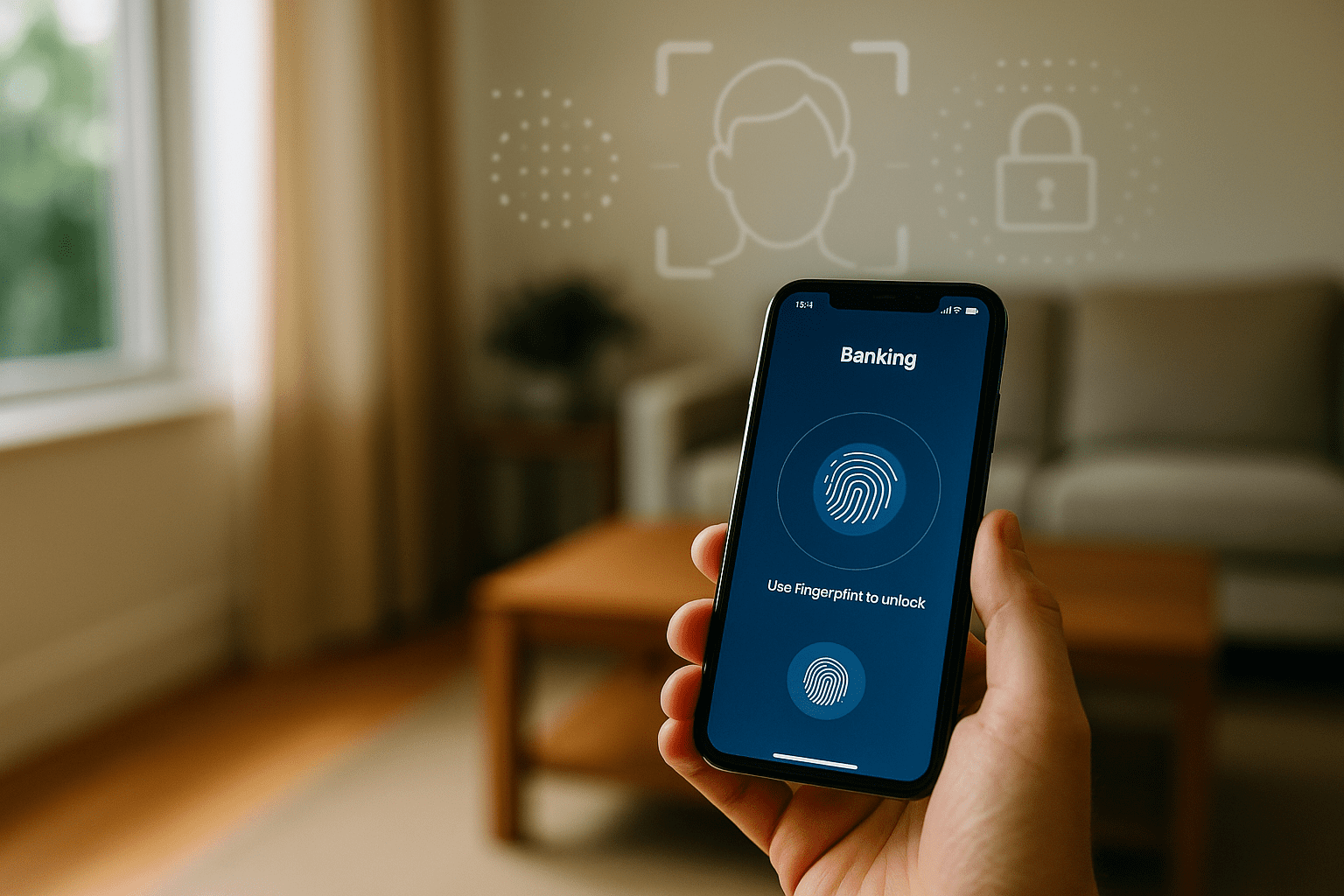
Biometric features appeal partly because they promise quick access and simplicity. Unlocking a mobile banking app with a fingerprint is immediate and intuitive. Reducing the fuss in authentication fits with a wider push in technology to make security less cumbersome.
Yet, these tools raise more complicated issues. Biometric data is permanent in a way passwords are not. If biometric information is compromised, it cannot be reset like a PIN. This makes safeguarding biometric data critical and elevates the consequences of any data breach. Banks must take extraordinary care to protect this data and develop rigorous protocols for storage and use.
There is an ongoing conversation about customer rights surrounding biometric data and how it should be protected from misuse. Regulators and privacy advocates are pushing for clear, transparent policies about how banks collect, use, and share this sensitive information. The degree of openness in these policies could have a significant effect on how broadly biometric authentication is embraced.
What biometric security reveals about fraud evolution
Fraud techniques continue to evolve alongside banking technology. Threats like account takeovers, synthetic identities, and social engineering remain common. Biometrics add a strong barrier against attacks that rely on stolen passwords or social guesses.
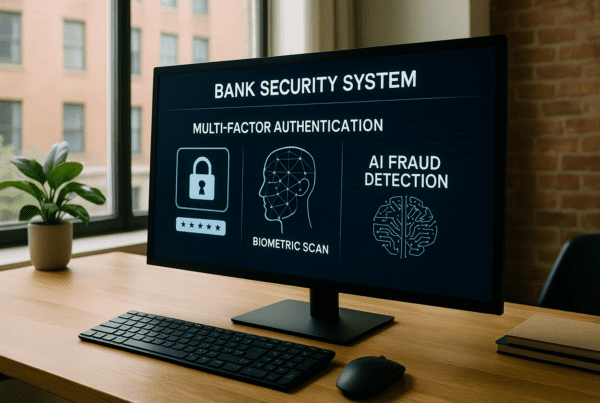
Although biometrics raise the bar, no system is perfect. Some biometric defenses can be fooled with sophisticated means such as high-quality photos, video recreations, or voice recordings. This ongoing battle has led banks to combine biometrics with other signals, like device behavior, browsing locations, or spending patterns, creating a more nuanced and layered approach to verifying authenticity.
This combined strategy reflects how fluid and complex digital fraud truly is. Biometric verification is a powerful weapon, but it is just one element in a broader security framework that adapts to constantly shifting risks.
Impact on user behavior and trust in banking
For many customers, seeing biometric security in place signals that their bank is committed to strong, modern protections. This can improve trust and encourage use of online and mobile banking tools. Nonetheless, some users remain wary. Challenges with enrollment or false rejections may lead to frustration or discomfort.
Adoption rates of biometric security vary widely, influenced by factors such as age or comfort with technology. Older adults, in particular, might prefer sticking with traditional PINs and passwords. Banks face the challenge of offering biometric options while still accommodating customers who want familiar security routines. Ideally, these features improve access without becoming an obligatory hurdle.
Looking ahead: biometrics as part of adaptive security
In the future, biometric factors are likely to be woven into adaptive authentication systems that assess risk dynamically. Certain transactions-especially larger or unusual ones-may require additional biometric verification, while routine activities might use simpler checks.
Advances in sensors and artificial intelligence could also enhance biometric security by monitoring for signs of forced access or fraud more effectively. Continuous authentication techniques may unobtrusively verify identity over the course of a session, reducing the need to interrupt users repeatedly.
The effectiveness of biometric features will depend on how well banks integrate technology with a smooth user experience, solid privacy protections, and the ability to keep pace with evolving fraud tactics. This interplay of innovation, regulation, and human factors will shape the future landscape of bank account security in an increasingly digital world.
For those interested in practical aspects of biometric security in banking, the Federal Trade Commission’s consumer guide provides useful background. Industry developments and security perspectives can be explored through the Bank Administration Institute. For insight into privacy and regulatory considerations, the UK National Cyber Security Centre remains a valuable resource.
There is also a growing interest in how biometrics intersect with the broader environment of digital identity management. Some experts suggest that future systems might link biometric verification with decentralized identity frameworks. This could give users greater control over which personal data is shared while maintaining robust authentication standards. However, integrating biometrics into such frameworks will require overcoming technical, legal, and ethical hurdles.
Meanwhile, security experts urge caution in over-relying on biometric factors alone. Combining biometrics with behavioral analytics, device intelligence, and contextual data can result in a more resilient defense. That layered defense approach helps account for the diversity of fraud methods and user scenarios banks encounter.
Finally, it’s worth noting how regulatory environments differ across regions. While some countries have strict rules guiding biometric data use, others are still developing frameworks. This patchwork highlights the ongoing challenge for multinational banks trying to offer consistent yet compliant experiences worldwide. Users should remain aware of their rights and how their biometric data will be handled depending on where they bank.
Biometric security is one part of a larger story about trust, technology, and the future of money. It signifies a step toward making financial services both safer and easier to access, but it also demands careful attention to privacy and security trade-offs. Watching how banks and regulators navigate these changes will be essential for anyone interested in the evolving landscape of financial protection.
Sources and Helpful Links
- Federal Trade Commission, consumer guidance on biometrics in security
- Bank Administration Institute, industry resource on banking trends
- UK National Cyber Security Centre, biometrics and privacy guidance