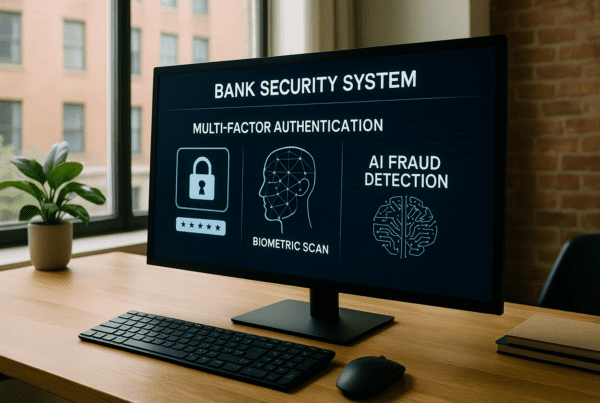

Fraud has shadowed banking since the first exchange of money but recent years have seen these shadows grow longer and more intricate. New scam techniques exploit mobile apps, peer-to-peer payments, and clever forms of social engineering to slip past traditional defenses. Banks respond by evolving their fraud detection, navigating between advanced technology, human understanding, and wider industry collaboration. It’s a practical effort to balance customer protection with smooth financial experiences in a world where scam approaches move nearly as fast as the money.
When rules start to feel invisible
For a long time, banks leaned on clear rules to catch fraud. Transactions over certain amounts or those from unfamiliar places set off alarms. These methods worked well for obvious cases but began to falter as scammers learned to imitate typical customer patterns. Instead of outrageous purchases or sudden location jumps, fraudsters now make small, near invisible changes, blending in carefully. The explosion of instant payments, digital wallets, and mobile banking apps created new ground where fraud hides in everyday-looking activities.
This fast-paced game forced banks away from static rulebooks to systems that learn and adjust continuously. Real-time transaction monitoring became crucial. Banks no longer wait to spot trouble but look deeply at every payment as it flows. Subtle irregularities, like repeated small transfers or unfamiliar device details, can trigger immediate review or holds. This immediacy helps limit damage and keeps fraud from moving quickly through accounts.
Artificial intelligence’s expanding footprint
Artificial intelligence and machine learning became pillars in catching the latest scam tactics. Banks pour huge volumes of data into AI models-transaction records, previous fraud cases, customer habits-and the system hunts for anomalies and emerging patterns. Unlike rigid rules, these models evolve. They catch sophisticated tricks like shifts in when or where cards get used that might not pass a simple threshold but seem unusual compared to historic behavior.
AI also aims to forecast possible fraud hotspots by analyzing clusters of events or new emerging trends, often unveiling suspicious activity humans might miss in vast data streams. Still, these models are not flawless. False alarms can inconvenience lawful customers through blocked payments or extra security checks. Banks wrestle with tuning AI systems to reduce these interruptions while keeping risk in check. Transparency about the reasoning behind automated holds or alerts is another ongoing hurdle in maintaining trust.
The power of shared knowledge
Because fraudsters rarely target just one bank, industry-wide intelligence sharing is gaining ground. Banks pool insights about fresh scam schemes through formal groups and consortia. This cooperation strengthens defenses by giving institutions early warning about tactics spotted elsewhere or signals of new attack waves. Instead of reinventing detection in isolation, collective knowledge moves protection strategies forward faster.
Regulatory agencies also influence this landscape. They require strong cybersecurity and fraud safeguards, while protecting consumer rights and data privacy. This means banks must carefully navigate how and when they collect, analyze, and share data. The rules shape a balance between robust defenses and transparent, lawful treatment of customer information.
The irreplaceable human touch
While technology accelerates and scales fraud monitoring, human judgment remains central. Experienced fraud analysts step in to examine flagged events, offering context like seasonal spending patterns or unusual but legitimate customer situations that AI might flag as suspicious. Their expertise helps refine algorithms and avoid unnecessary hassles.
Likewise, customer service teams handle the human side when alerts inconvenience users or investigations delay transactions. Compassion and clear communication help sustain trust in these tense moments. Besides banks’ internal work, educating customers about how scams operate, what red flags to watch for, and secure practices creates an important first line of defense. Social engineering scams often begin before any system can spot anomalies.
Fraud detection as ongoing adaptation
Banking fraud detection is a living ecosystem, where technology, collaboration, and human insight evolve together. The goal is not perfection but progression-always staying a step ahead in a landscape shaped by innovation in scam tactics. Real-time reviews, AI pattern recognition, industry-wide information sharing, and attentive expert intervention form layers of defense that learn and adjust continually.
This complexity explains why bank security sometimes feels intrusive or slow to customers. The measures reflect a recognition of fraud’s crafty, shifting nature and the lengths required to keep pace without disrupting legitimate financial activity. Financial institutions juggle protecting customers with providing straightforward user experiences, a challenge that mirrors the broader reality of managing money today.
Resources like the Federal Reserve’s overview of payment systems and the American Bankers Association’s financial crime insights provide industry context. For consumers, the Consumer Financial Protection Bureau offers practical advice on recognizing fraud and understanding rights.
In a world where scams shift as fast as ever, fraud detection remains an ongoing, adaptive conversation. Each new fraud technique forces tasks to become smarter and more nuanced, reminding us that security is a continuously moving target along with the growing complexity of modern banking.
Sources and Helpful Links
- Federal Reserve Payments Systems, overview of payment system security and fraud monitoring
- American Bankers Association – Financial Crime Resources, industry insights and best practices for fraud prevention
- Consumer Financial Protection Bureau on Fraud, guide to consumer rights and fraud protection tips