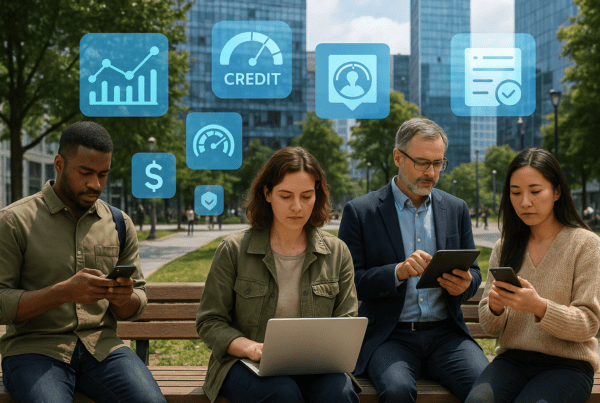

When personal finance education first reached the mainstream, it mostly came from formal classes, books, or seminars. These methods often felt removed from the realities people faced in their daily lives. Over time, online courses have transformed that experience by opening doors to a more flexible and sometimes more relatable approach to learning about money.
The evolving way people learn about money
The traditional idea of personal finance education often conjures images of dry lectures filled with complex jargon and abstract concepts. Yet many have found those formats difficult to connect with. Online courses, in contrast, can offer learning experiences shaped by real world concerns: managing debt, navigating credit scores, surviving economic uncertainty, and making investment decisions without requiring a finance degree.
As platforms like Coursera, Udemy, and Khan Academy expanded their offerings, their courses began adapting to different levels of understanding and backgrounds. Some course creators emphasize straightforward explanations, using everyday language rather than technical terms. This shift reflects a broader recognition that financial education needs to meet people where they are, rather than expecting them to adapt to it.
One interesting development is how these courses allow learners to move at their own pace. Instead of attending a scheduled class, a person can pause, rewind, or skip sections based on their grasp of the material or immediate relevance. This flexibility is not just convenient but also reduces the intimidation factor for newcomers.
Personalized pathways in a digital space
Personal finance is rarely one-size-fits-all. Someone saving to buy a home tallies vastly different priorities and decisions than a recent graduate trying to manage student debt. Online courses increasingly take this into account by offering more targeted tracks or modular content. Learners can often choose what to focus on, from budgeting basics to retirement planning or tax implications.
These diverse tracks also help integrate newer topics that traditional education might overlook. Cryptocurrency fundamentals, side hustles, gig economy income management, and financial technology tools find space in courses designed for today’s financial realities. Including these subjects acknowledges how the financial landscape has evolved beyond classic textbook scenarios.
Some courses also blend video lessons with interactive tools like calculators, quizzes, or community forums. This blend helps solidify understanding by encouraging active rather than passive learning. The ability to engage with other learners or experts offers some of the benefits of in-person workshops, without geographical or scheduling barriers.
Accessibility extending beyond cost and geography
One of the earliest appeals of online courses was undeniably cost and convenience. Without needing to commute or pay for costly classes in person, learners can access financial education from anywhere with an internet connection. This is doubly important for those with limited access to traditional resources, whether due to location, time constraints, or economic barriers.
Moreover, many platforms offer free personal finance courses, funded by nonprofits, educational institutions, or partnerships. These options provide a gentle entry point for people just beginning to build their money knowledge or looking to refresh basic concepts. Even paid courses often cost less than traditional in-person alternatives, widening the pool of people who can afford solid financial literacy materials.
The rise of mobile learning further pushes boundaries. Smartphones and tablets allow learners to fit education into pockets of time like commutes or breaks. It also supports diverse learning styles and needs, from subtitles and transcripts to adjustable playback speeds.
Challenges in consistency and depth
Despite clear benefits, the shift to online courses is not a cure-all. The sheer abundance of offerings creates a new challenge: how to discern quality content from hype or shallow instruction. Unlike regulated educational programs, personal finance courses online can vary widely in accuracy, depth, and approach.
This variability often leaves consumers navigating with extra caution. Reviews, instructor credentials, and alignment with trusted financial principles become essential signposts. Some established financial educators and institutions have stepped into the space to shore up credibility, but many courses remain self-published or commercial ventures seeking customers rather than educational outcomes.
Another issue lies in ensuring learners move beyond theory to meaningful behavior change. Access to information does not guarantee action. Courses that combine clear explanations with practical exercises and accountability mechanisms tend to have stronger outcomes. The question remains how best to motivate sustained financial habits when the learning environment is virtual and often solitary.
Reflecting real life financial complexity and diversity
One subtle yet important influence of online personal finance education is its increased emphasis on diversity and nuance. Where traditional curricula might have overlooked systemic barriers or nontraditional income patterns, many digital educators actively address them. Discussions about racial wealth gaps, uneven access to credit, or regional cost differences increasingly appear in course content, helping learners understand their financial context better.
Moreover, online formats support multilingual content and international perspectives. People around the world bring different regulatory systems, financial products, and cultural attitudes to money. Personalized finance education in these digital classrooms has room to reflect that complexity and offer relevant insights.
Ultimately, the growth of online courses is altering how individuals build their personal finance understanding. Not by replacing all traditional methods, but by adding new, adaptable tools that can reach wider audiences and adapt more quickly to changing financial realities.
It is a quieter revolution, more about accessibility and inclusivity than flashy innovation. Yet it is reshaping financial literacy into something more approachable, relevant, and ultimately more lived in.
Those curious about exploring online personal finance courses can find offerings on platforms like Coursera or Udemy. For free, trusted basics, sites like Khan Academy Personal Finance provide approachable content. Consumers should always consider course reviews and who is teaching before investing significant time or money.
As this educational format continues to evolve, it offers a fresh way for people to engage with their money on their own terms, building a foundation that fits life beyond the classroom or textbook.
Sources and Helpful Links
- Coursera, an online learning platform hosting a wide range of personal finance courses
- Udemy, marketplace for diverse finance course offerings from various instructors
- Khan Academy Personal Finance, free educational content focused on personal finance basics