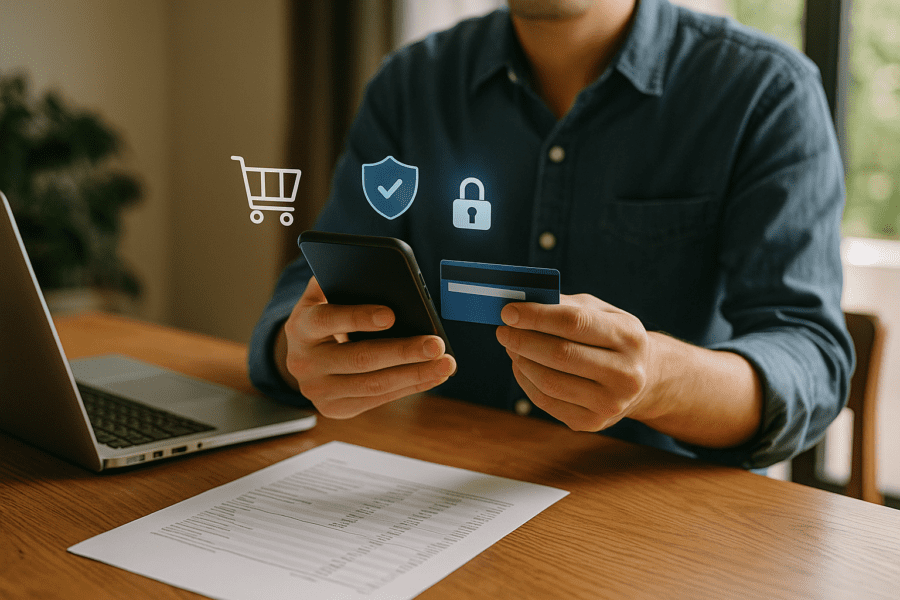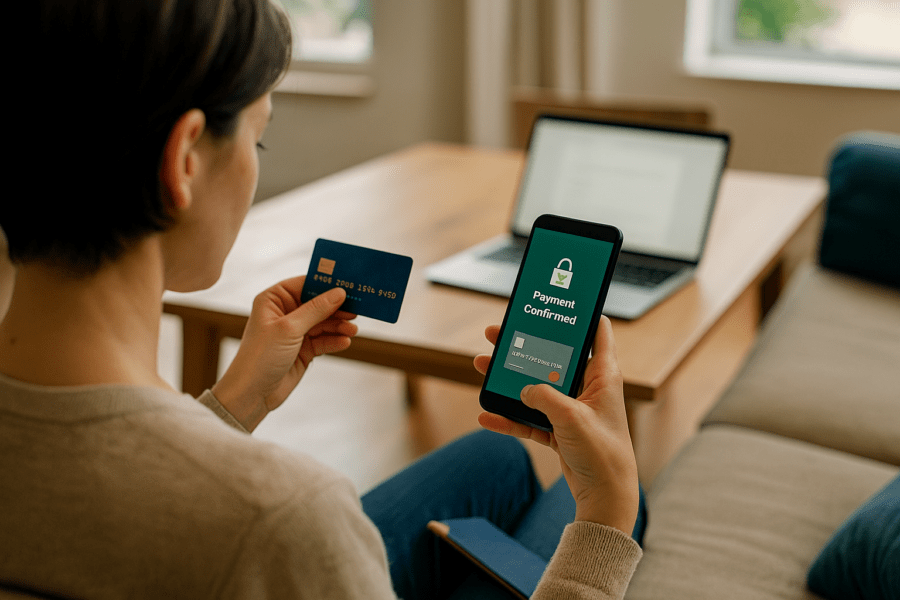

In the evolving landscape of e-commerce, consumers encounter a variety of payment options that go beyond just entering credit card details. Around the world, the gradual introduction of digital wallets, buy now pay later schemes, and alternative payment methods reflect changing expectations of convenience and security in online shopping.
Trust and Familiarity in a Digital World
When a shopper lands on a new e-commerce site, the presence of recognizable payment logos is a quiet form of reassurance. A PayPal button or Apple Pay icon tells a different story from a generic checkout form asking for credit card information. It’s not merely about ease but an implicit sign of legitimacy and safety that can significantly impact whether someone proceeds with a purchase. The more a payment method is embedded within daily habits, the more likely customers are to trust it when shopping online.
This trust is crucial because online transactions lack the immediate tangibility of in-store purchases. The fear of fraud or mishandling payment data can deter shoppers otherwise interested in a product. Evidence from market research companies such as Statista highlights that concerns over payment security remain among the top reasons for cart abandonment worldwide. Familiar payment systems help mitigate these concerns by creating a smoother psychological pathway to purchase.
Convenience Sharpening the Competitive Edge
From a consumer standpoint, frictionless checkout experiences are more than a luxury; they shape the contours of shopping decisions. Speed matters, especially on mobile devices where cumbersome forms and multiple pages can lead to frustration and lost sales.
Here, the rise of one-click payments and stored digital credentials plays a pivotal role. Solutions like Amazon Pay or Google Pay leverage existing consumer accounts and pre-stored payment information to let shoppers bypass the traditional multi-step checkout process. This reduction in effort isn’t just about saving time-it’s about minimizing cognitive load at moments when users evaluate whether to commit to buying.
Retailers often observe that even marginal increases in checkout speed translate directly into higher conversion rates. This effect gains more weight in markets where online transactions are growing fast and competition is fierce. It’s common to see some online stores promote the availability of certain payment methods upfront, almost like a feature rather than a backend technicality.
The Growing Appeal of Flexible Payment Options
Financial flexibility has emerged as another influencer in purchasing behavior. The proliferation of buy now pay later (BNPL) services such as Klarna and Afterpay taps into desires for spreading cost without long-term commitments or traditional credit checks. For many shoppers, this form of payment turns pricey purchases into manageable installments, possibly encouraging them to buy more or try premium brands.
Yet, BNPL services also introduce new considerations around consumer debt and payment discipline. Consumer advocates and regulators have started to look closely at these models, given how easily customers can overextend themselves without typical lending oversight.
This dynamic shows how payment methods can influence not only what people buy but how they relate to their own spending habits in a digital context. Awareness and education about these services remain uneven, even as their use grows.
Cross-Border Transactions and Currency Complexities
Another layer to payment solutions lies in handling international purchases. Global e-commerce has surged, yet consumers still grapple with unexpected fees, fluctuating foreign exchange rates, and convoluted refund processes when paying across borders.
Payment platforms that streamline currency conversion and localize payment methods address pain points that silently deter shoppers from exploring international options. For example, options that allow users to pay in their home currency without excessive surcharges help widen access to global sellers.
In response, some e-commerce businesses partner with specialized payment gateways focusing on cross-border ease, which can enhance consumer confidence and broaden market reach. As international shopping becomes more straightforward financially, consumer habits can shift toward more diverse sourcing of products and brands.
Data Privacy and Payment Transparency
While convenience and flexibility entice consumers, concerns around data privacy increasingly shape attitudes about online payments. Recent years revealed how personal payment information, if mishandled, can expose users to fraud or unwanted tracking.
This tension forces a careful balance: payment providers and merchants must deliver smooth experiences while safeguarding privacy. Some consumers actively seek out payment methods with explicit promises of anonymity or data minimization. Cryptocurrencies, despite their volatility, sometimes attract users motivated by privacy considerations within e-commerce.
Transparency about payment processes, fees, and data use similarly helps build long-term trust. Shoppers who feel informed and in control are more likely to return to an online store or continue using specific payment services rather than abandon transactions.
Understanding how payment solutions intersect with privacy expectations remains an ongoing conversation in the e-commerce ecosystem, especially as regulations evolve internationally.
Overall, the myriad online payment options available today do more than just facilitate transactions. They shape how consumers approach shopping, assess risk, and manage finances in an increasingly digital marketplace. The quiet influence of these payment solutions on buyer behavior underscores the importance for merchants and consumers alike to stay aware of the subtle yet powerful role payments play in commerce.
More insights on consumer trust and online payments can be found through resources like the Statista overview of online payment methods and the National Law Review examination of payment security challenges. For a deeper dive into how payment innovations affect buyer behavior, visit the Payments Dive news hub.
Sources and Helpful Links
- Statista Online Payment Systems, comprehensive data on payment methods globally
- National Law Review on Online Payment Security, insights into security and regulatory concerns
- Payments Dive, news and analysis about payment trends and technology