Each year, natural disasters leave a trail of damage and uncertainty that most households cannot avoid. When severe storms, floods, or wildfires affect a region, questions about insurance costs soon rise. Many people notice that their insurance premiums change after such events but struggle to grasp how these adjustments come about and what they really mean for their coverage.
The Quiet Shift in Risk Perception
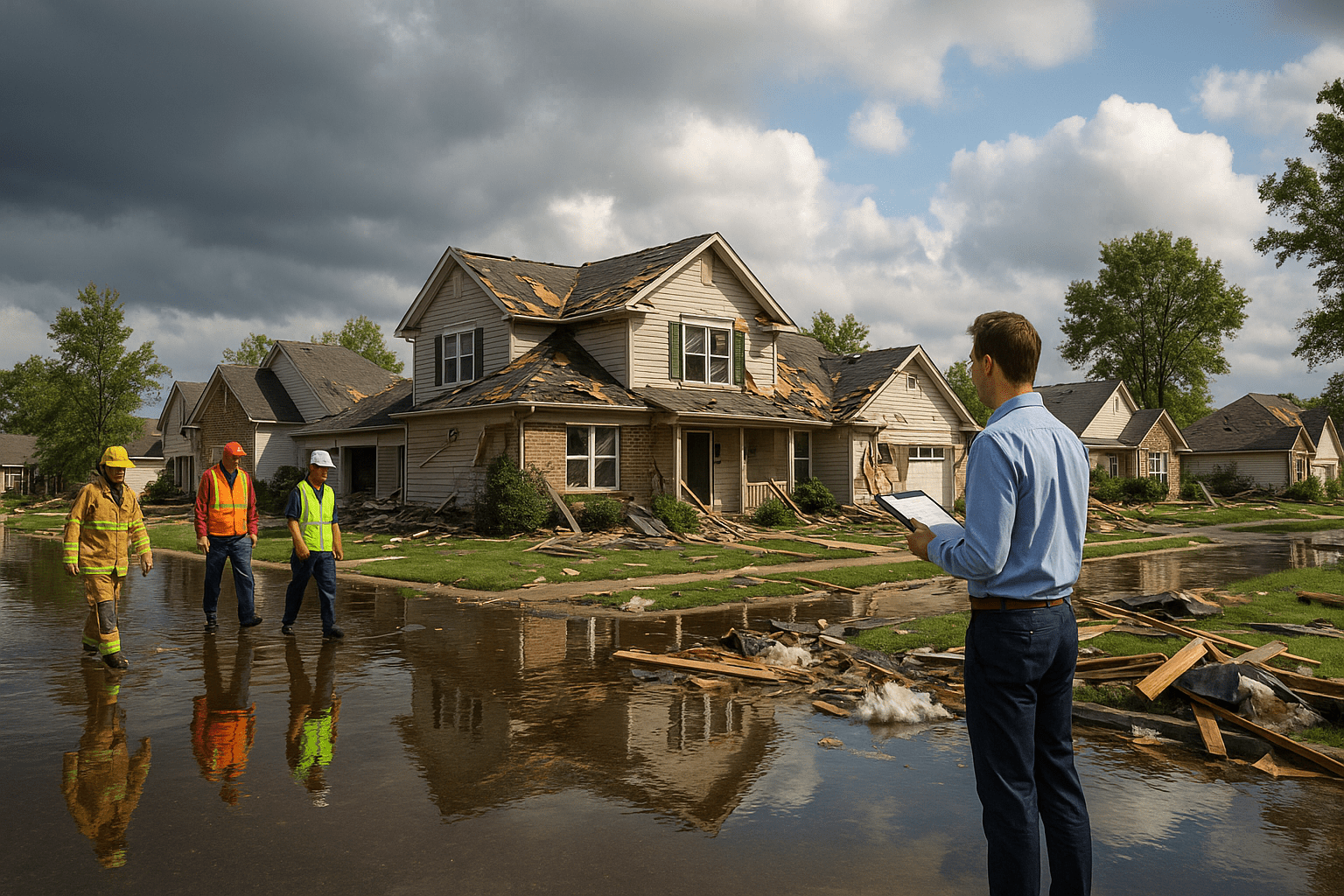
Behind the scenes, insurance companies continuously assess the risks they cover. When a natural disaster strikes, the immediate financial impact is evident through claims filed for damaged properties. But these events also redraw the map of risk in subtle and lasting ways. For insurers, it is not just about reimbursing losses now. It is about anticipating future events. If a region suffers an unexpected surge in disasters, companies may revise their models to price policies accordingly.
This reevaluation often results in premium changes that follow rather than precede disaster seasons. It explains why some homeowners might receive notices about increased rates several months after an event, rather than during the storm’s immediate aftermath. The premiums reflect updated assumptions about how likely damage is to recur.
Balancing Act: Market Forces and Regulatory Constraints
What can confuse policyholders is how wide-ranging the factors are when insurers decide on premiums. Market competition can discourage excessive hikes, especially in areas where multiple companies actively vie for business. If one insurer raises rates sharply, potential customers might shop around. Yet, if the industry as a whole faces mounting claims costs, a general upward trend can emerge.
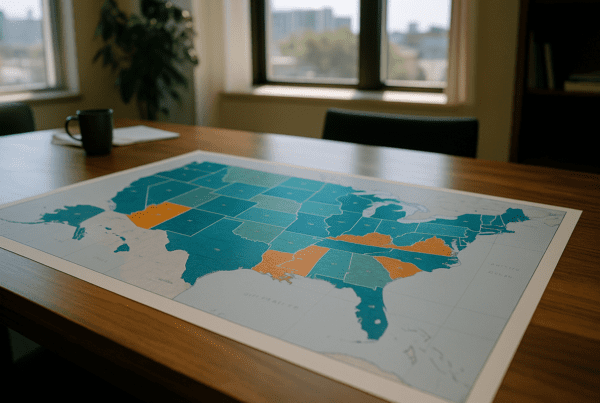
Moreover, state insurance regulators oversee how rates change. Some states have rules demanding that any increase be approved after showing justification based on loss data and projections. These checks aim to prevent unfair or sudden spikes that might push coverage out of reach for many. In certain cases, regulators might even impose moratoriums on premium increases following major disasters to give consumers breathing room.
The extent of regulation varies widely, however. In some regions, insurers operate with greater pricing freedom, allowing premiums to reflect risk more immediately. In others, the process to change rates is drawn out and cautious.
Claims Surge and Its Ripples
One straightforward driver of premium changes is the volume of claims an insurer has to pay after disaster events. Pay out more on damages, and it naturally weighs on the company’s finances. To continue offering coverage sustainably, insurers often look to recoup losses through higher premiums or by tightening underwriting criteria.
For instance, after wildfire seasons in parts of California, some insurers have responded by significantly raising rates for homeowners in high-risk areas or even choosing not to renew policies there at all. This shifting landscape forces individuals to seek alternatives or accept steeper costs for their coverage.
Flood insurance operates somewhat differently, largely because of its distinct system within the National Flood Insurance Program (NFIP). Rates here may increase on a timeline related to federal decisions and the program’s financial health rather than local claims alone. Still, intense flood events put pressure on benefit structures and can prompt federal policymakers to adjust terms affecting premiums.
Long-Term Patterns and Emerging Trends
One observable reality is that premium fluctuations after natural disasters are rarely one-time occurrences. They are part of a cycle that ties together weather patterns, climate trends, and economic responses. Insurers refine their views of risk over time, and as climate models project more intense or frequent storms, insured losses are expected to grow.
This situation nudges the industry toward developing new approaches. Some companies increasingly rely on technology and data analytics to fine-tune rates with greater regional precision. Others focus on products that incentivize damage mitigation measures, such as improved building standards or flood barriers, aiming to reduce claims and stabilize premiums.
Consumers may also notice more reliance on catastrophe bonds or reinsurance-financial tools that help insurers spread risk globally. These mechanisms can cushion the blow of disaster seasons but often come at a cost that eventually passes through to policyholders.
What This Means for Those Insured
For everyday homeowners and renters, this backdrop can feel unpredictable. Seeing a premium increase after a disaster makes sense in context but can still strain budgets or cause confusion. It’s helpful to remember that while prices may reflect broader market realities, individuals still have some agency.
Shopping policies, understanding coverage details, and preparing homes to reduce hazard risks remain important steps. In areas where premiums escalate sharply, public programs or community efforts sometimes step in to provide more affordable options or assistance.
Staying informed about insurance market trends and state regulatory actions can offer valuable perspective on why premium adjustments happen and whether they are likely to continue. Resources such as state insurance department websites and consumer advocacy groups provide ongoing information to help consumers navigate these changes.
In essence, insurance premium shifts after natural disaster seasons connect deeply to how risk is understood and distributed in the financial system. They echo the changing realities of weather, property, and societal resilience, underscoring the layered challenges insurers and insured alike face in a world where extreme events are part of the new normal.
For more insight on how insurance markets respond to claims and regulatory frameworks, the National Association of Insurance Commissioners provides a comprehensive overview. Understanding flood insurance specifics can be aided by resources like the Federal Emergency Management Agency’s flood insurance page. For consumers interested in market trends and consumer tips, Consumer Reports offers practical guidance on insurance shopping and claims experience.
Sources and Helpful Links