Auto insurance claims are often viewed through the lens of accident statistics or repair costs. But behind those numbers lies a richer story about how driver behavior and risk awareness evolve in response to shifting social patterns, technology, and road conditions. The subtle movements in claim data sketch an ongoing portrait of what it means to be behind the wheel today.
Claims Data Tells a Story Beyond Miles Driven
On the surface, fewer miles driven usually mean fewer claims. Yet the choices drivers make during those miles matter just as much as the quantity. The pandemic years offered a vivid example. While miles dropped sharply in 2020, some types of claims, especially those involving single vehicles and side-impacts, actually rose. Researchers at the Insurance Research Council noted that collision severity also increased in some places even as total crashes fell.
This pattern suggests risk is not evenly distributed across all driving. Trips shifted away from regular commuting to more varied errands, leisure drives, or short urban hops, often involving new traffic realities and distractions. Drivers may have become less accustomed to regular traffic conditions or encountered unfamiliar stressors. The result was a more volatile claims landscape despite overall lower mileage.
The Push and Pull of Risk Perception and Behavior
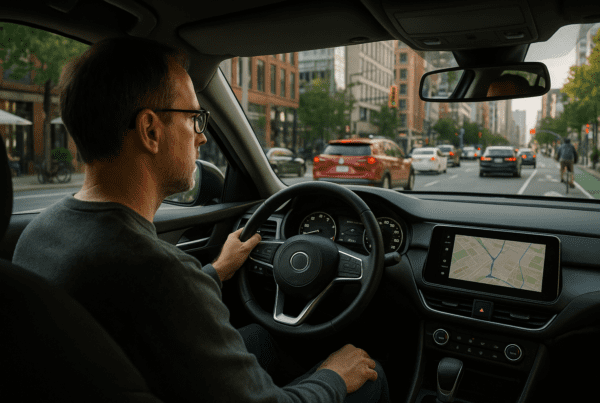
Driving is as much a psychological task as a physical one. How drivers perceive risk is shaped by economics, culture, law enforcement, and emerging habits. Widespread smartphone use, for example, transformed attention on the road. Claims linked to distracted driving climbed steeply as devices became common companions behind the wheel.
Recently some regions report a plateau or slight drop in distracted driving claims, possibly reflecting education campaigns and stricter laws. Meanwhile, speeding-related claims are rising in multiple areas. With empty roads tempting drivers to accelerate beyond safe limits, crashes tend to be more severe and costly. It highlights how competing behavioral forces push claims trends in different directions. Anxiety, impatience, boredom, or confidence around new driving contexts all play a role.
Technology Alters Both Risk and Claim Types
Vehicle technology continues to reshape driving risk and the way claims unfold. Features such as automatic emergency braking, blind-spot detection, and lane departure warnings help prevent common accidents, and insurers have started tracking the impact on claim frequency and costs. For example, rear-end collisions have decreased thanks to these safety advances.
However, these systems can introduce new complexities. Sensors may fail or drivers might become complacent, relying too much on automation. When technology errors occur, claims often involve system malfunctions or multi-vehicle collisions linked to overtrust in assistance features.
Telematics insurance programs gather detailed driving behavior data from onboard devices or apps, monitoring harsh braking, rapid acceleration, cornering, and time of day. This data allows insurers to refine risk models and adjust pricing according to individual habits, effectively turning claims experience into a micro-level behavioral snapshot.
Though telematics can encourage safer driving through feedback and rewards, it also raises privacy and fairness questions. Micro-behaviors measured might not tell the whole risk story and could disproportionately affect certain groups, stirring debate on fairness in insurance underwriting.
Road Types and Regional Patterns Influence Claims
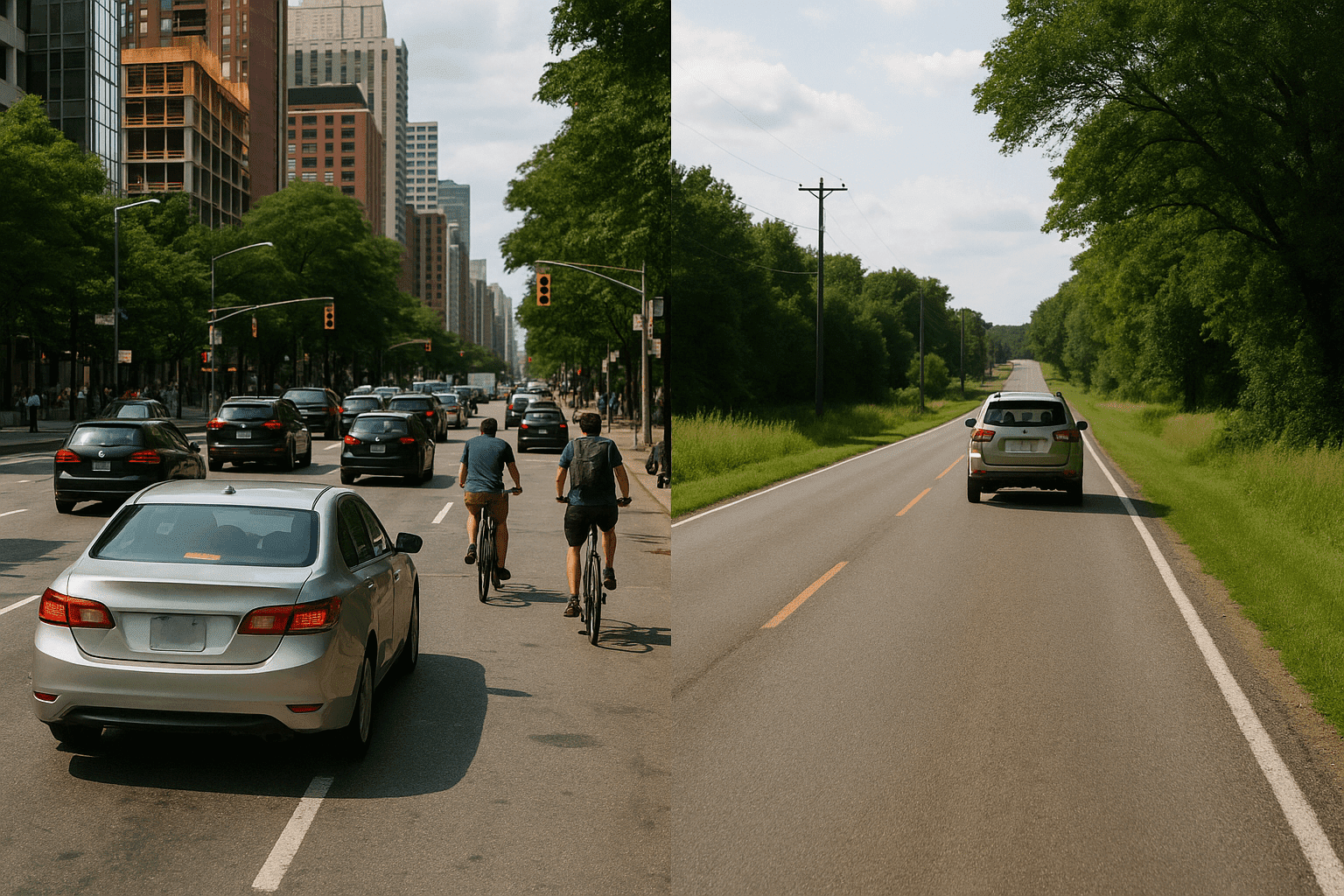
Where driving happens matters a lot for how risks play out. Dense urban environments generate many minor collisions due to stop-and-go traffic, narrow lanes, and frequent interactions between cars, cyclists, and pedestrians. These tend to lead to lower severity claims involving fender benders or scraping.
In contrast, rural and suburban roads see fewer crashes but those often have higher severity. Higher speeds, longer emergency response times, and less lighting can escalate injury and repair costs in those settings. These geographic factors feed into insurers’ regional pricing strategies and risk assessments.
Changes in daily travel habits, like increased remote work and local trips, alter this balance. Some cities have observed a drop in minor vehicle collisions but an uptick in pedestrian and cyclist incidents, reflecting growing numbers of non-car road users. Such shifts challenge insurers to rethink risk assumptions built on older traffic patterns.
Interpreting Claims to Understand a Dynamic Driving World
The evolving patterns in auto insurance claims are more than just bellwethers for accident rates. They reveal how driver behavior adapts to technology, social circumstances, and changing road ecosystems. For insurers, this means continuously refining risk models and coverage terms in a landscape where the past does not always predict the present.
For drivers, these shifting claims trends offer practical insights. Understanding how distraction, speed, road type, and vehicle features influence insurance outcomes can turn abstract risk factors into meaningful decisions behind the wheel. Whether it is keeping focus, respecting urban traffic complexities, or knowing how advanced safety systems alter liability, everyday driving choices ripple far beyond the immediate moment.
While claims data can never capture every nuance of the driving experience, it remains a vital tool for tracking the subtle currents that shape road safety and insurance costs. Watching these numbers over time helps decode the complex relationship between human behavior and the evolving nature of transportation.
Insurance Research Council offers extensive research exploring these evolving trends, complemented by the Insurance Information Institute which provides detailed analysis on shifts sparked by the pandemic. The National Highway Traffic Safety Administration remains a central source for understanding behavioral factors like distracted driving that continue to influence claim patterns.
Sources and Helpful Links
- Insurance Research Council, research publications on auto insurance trends
- Insurance Information Institute, analysis on insurance changes during the pandemic
- National Highway Traffic Safety Administration, information on distracted driving and safety