Insurance claims often seem like just paperwork or data points to most people. Yet when you step back and look at them over time, the patterns unfolding within those claims tell a much richer story about how we drive. Recent shifts in auto insurance claims have been quietly reflecting changes in everything from traffic volume to driver behavior. They reveal how external factors, technological changes, and social trends are reshaping the landscape behind the wheel.
A landscape influenced by new routines and road rules
Since the early 2020s, changes in commuting habits have altered how many people spend time on the road. The rise in remote and hybrid work arrangements naturally reduced rush hour congestion on many highways. That allowed for some more relaxed driving conditions in cities previously choked by traffic. But fewer cars does not always translate into fewer accidents or claims. In fact, some insurers noticed that while overall claim counts dropped, the frequency of certain accident types increased.
One observed trend was that speeding and high-impact collisions became more common on less congested roads. With emptier streets, some drivers appear to have taken more risks or simply driven faster than before. This aligns with detailed reports from insurers such as Insurance Information Institute who track changes in claim types and severities over years.
At the same time, cities experimented with new traffic calming measures and reallocated street space, often prioritizing cyclists and pedestrians. While the intentions were safety and environmental improvements, these shifts sometimes introduced new friction points in driver awareness and behavior. Insurers have also recorded an uptick in claims involving cyclists and pedestrians in mixed traffic zones, pointing to a period where the road environment feels more complex for everyone.
Technology’s influence is twofold and subtle
In-car technology continues to evolve quickly, playing a growing role in both preventing accidents and complicating claims. Advanced driver assistance systems such as automatic emergency braking and lane-keeping help reduce some types of collisions. However, the presence of these systems can introduce challenges when it comes to fault determination or claim processing.
From how insurers interpret black box data to how repair shops handle newer car components, technology changes the playing field. Even the nature of damage evolves, with sensor arrays and cameras requiring costly repair or replacement. This has had its effect on the average claim cost, a detail that insurers factor deeply into their risk assessments and policy designs.
Interestingly, claims data shows that while newer vehicles with enhanced safety features tend to have fewer severe injury claims, they sometimes face higher claim repair costs due to expensive components. This shift affects how insurers price premiums and what drivers might expect when filing claims involving newer models.
Urban and rural divides are becoming clearer
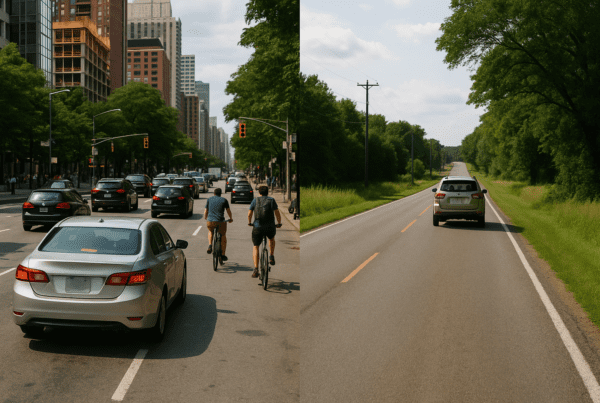
Driving patterns differ widely depending on geography, and recent claim trends highlight those contrasts more distinctly than before. Urban drivers face a denser mix of pedestrians, cyclists, and other vehicles, often at lower average speeds. In these settings, fender benders and minor collisions remain common.
Rural drivers contend with factors like higher speeds on country roads, wildlife crossings, and less immediate access to emergency services. Claims from rural areas often involve more severe accidents but fewer minor collisions. Recent claims data from agencies such as the National Highway Traffic Safety Administration reveal that these differences are persistent but also influenced by how infrastructure improvements or changes in population density evolve.
Data also shows that rural areas experienced some shifts during the recent surge in recreational driving. With urban residents traveling more for leisure, rural roads saw different traffic patterns than before, which sometimes correlated with unique claim spikes.
What claims reveal about emerging risks and lifestyle choices
Claims also mirror broader societal changes in how and when people drive. The increase in ridesharing, delivery services, and gig economy drivers adds layers of exposure in urban and suburban locales. Insurers note that the frequency of claims involving these types of commercial activity, sometimes done with personal insurance policies not designed for that use, has brought fresh challenges.
This ongoing shift has prompted more explicit distinctions in coverage types and policy wording regarding non-personal business use of vehicles. The fine print that consumers often ignore has gained importance in understanding if a claim will be honored.
Another subtle indicator in claims is related to distracted driving. Despite campaigns and technological solutions, claims involving incidents caused by driver distraction remain significant. These claims frequently result in complex liability assessments since proving distraction in claims can be difficult.
Insurance claims serve as more than just financial settlements; they capture snapshots of driver realities and risks as they evolve. They provide feedback loops for urban planners, safety regulators, insurers, and even drivers themselves on how the roads are changing.
While recent claim trends do not always point clearly to better or worse overall safety, they do underline the fluid nature of driving patterns. As technology advances, lifestyles shift, and infrastructure adapts, claims data will continue reflecting those changes in nuanced ways. Being aware of these shifts can help drivers, insurers, and policymakers better navigate a road system that never truly stands still.
The interplay between claims data and driving patterns suggests that risks and costs will keep evolving with broader social trends and technological developments. Watching those claims unfold over time offers valuable insight into what driving looks like beyond the windshield.
Sources and Helpful Links
- Insurance Information Institute, trends and data on auto insurance claims
- National Highway Traffic Safety Administration, research on vehicle accidents and safety
- National Association of Insurance Commissioners, regulatory information and statistics for insurers
- Car and Driver, recent market and claims trend reporting