The way weather weaves through our lives often surprises us. It can alter our daily routines, reroute trips, or slow traffic to a crawl. For auto insurers, weather is less a daily nuisance and more a complex signal. Over years and decades, changing weather patterns become a fundamental force behind the evolving costs and coverage rules of auto insurance.
Winter storms and the creeping cost of cold weather claims
Some weather impacts are immediate and visible. When freezing rain coats roads with ice, accidents tend to spike. More collisions mean more claims. Auto insurers track these trends closely because repeated waves of winter accidents form the baseline of risk calculations.
The intensity and frequency of winter storms have shifted in many regions. This change is not just about more snow or ice days but also about how temperatures fluctuate around freezing. These swings can create a deceptive crust of black ice or increase road salt use, which may contribute to more vehicle damage or corrosion claims. Insurers, therefore, use historical data combined with current meteorological patterns to adjust premiums annually or more frequently in some states.
While cold weather-related claims tend to be concentrated seasonally, the costs can ripple throughout the year. A claim filed in December can impact renewal prices months later in spring or summer. Moreover, insurers may enter a sort of cautious cycle, raising rates in regions where winters become more unpredictable because they anticipate higher claim severity.
Storms crossing new paths
Long-standing regional weather patterns once made it easier to pigeonhole risk. Areas along the Gulf Coast or the Atlantic seaboard could expect hurricanes. The Midwest knew hail and tornadoes. But climate variability is redrawing these lines, complicating predictions.
When severe storms begin to occur outside traditional paths, insurers face fresh uncertainty. Claims for hail damage that used to be rare in some states now appear more regularly. This forces insurers to revisit their actuarial models and territory designations, sometimes redesigning rate territories to better reflect actual risk.
One subtle outcome of these shifting storm patterns is the rise in supplemental coverage products. For example, more drivers seek comprehensive coverage that includes weather-related damage, including flood or windstorm protection, even in areas where such claims were historically uncommon. This behavior nudges insurers toward adjusting prices not only based on past claims but also on emerging consumer demand patterns tied to weather anxiety.
Flooding and the blind spots of auto insurance
Floods represent a particularly tricky issue in auto insurance. Unlike homeowner’s insurance that often covers flood damage with specific riders or separate policies, vehicle flood damage is generally covered only under comprehensive auto insurance.
Rising instances of flash floods and even urban flooding in unexpected places have caught many car owners off guard. Because these events can cause severe damage or total losses, claims in flood-affected areas have surged. Insurers respond by revising risk maps and sometimes excluding areas considered high-risk from standard coverage or charging significantly higher premiums.
What often goes unnoticed is how changing land use and urban planning interact with weather patterns to affect flood risk. Impermeable surfaces, drainage systems, and local infrastructure all alter how heavy rainfall translates into insurance claims. These factors make the relationship between weather and auto insurance rates a multi-layered, ongoing puzzle.
How insurers gather and apply weather data
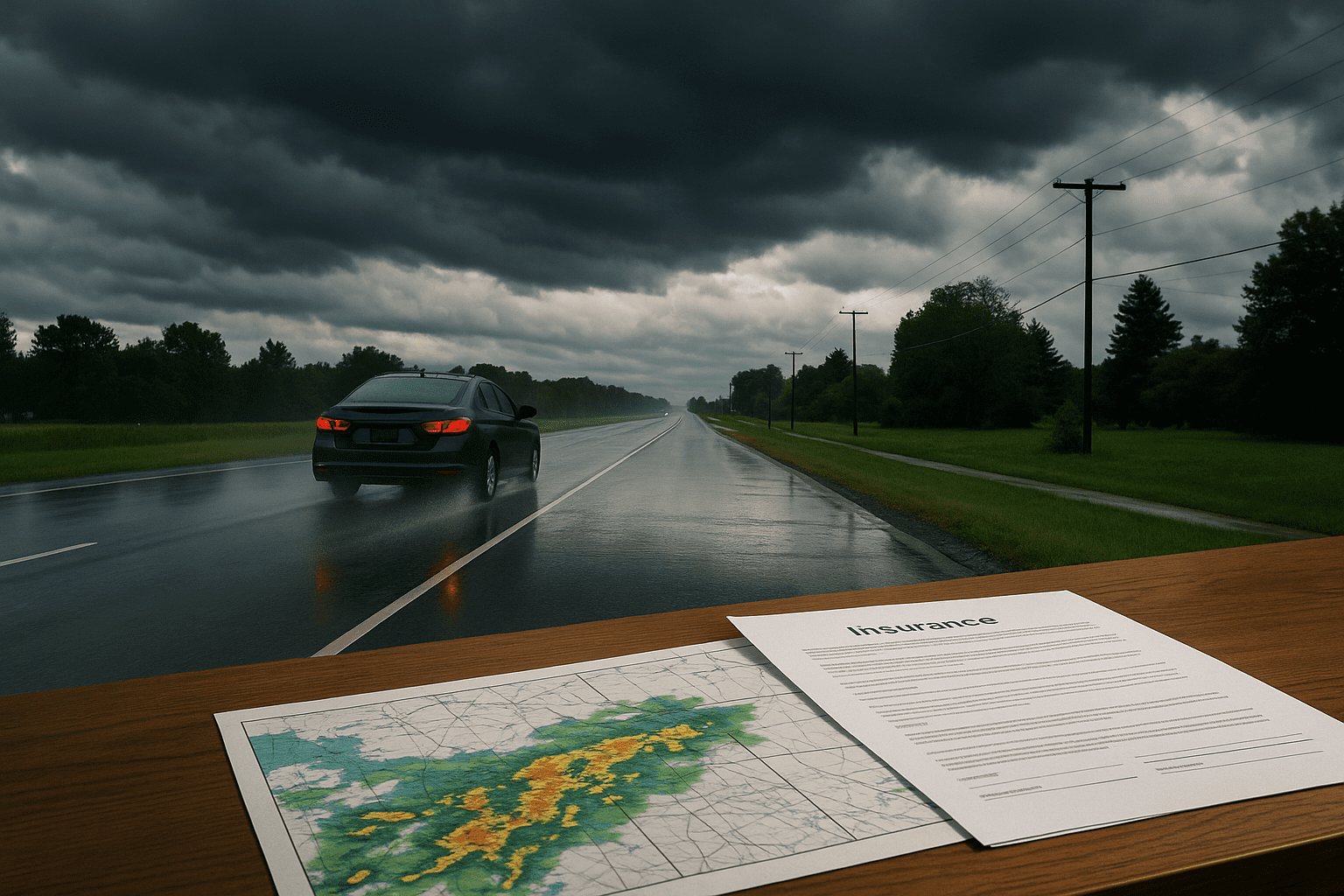
Auto insurance companies rely on a variety of data sources to detect and interpret weather trends. Historical claims data is matched against meteorological records, allowing analysts to spot correlations and forecast potential risk zones. Advances in technology have also allowed for near real-time weather data integration.
Industry groups and weather analytics firms collaborate to refine models. For instance, catastrophe modeling firms provide insurers with sophisticated tools that simulate damage from storms or floods, helping to identify vulnerabilities before claims arise. This information feeds into underwriting decisions and rate setting, making premiums more responsive to environmental realities.
Some insurers also experiment with telematics and vehicle tracking technologies that record driving behavior alongside geographic and weather conditions. Linking poor weather with higher claims frequency or severity in particular areas helps insurers calibrate prices more precisely and sometimes offers discounts for safer driving in rough weather.
Another factor: regulatory landscapes and consumer protections
Weather-driven rate adjustments do not happen in a vacuum. State regulators carefully review proposed rate changes, balancing insurer solvency concerns with consumer protection. Some states are more restrictive about how much rates can increase based on past claims or predicted risks. Others may require detailed disclosure about how weather contributes to pricing.
This regulatory backdrop means that while weather is a major variable, insurers must manage rate adjustments delicately. Too rapid or steep an increase can provoke public outcry or regulatory pushback. As climate conditions continue to evolve, so too will the dialogue among insurers, regulators, and consumer advocates about fairness and affordability.
Exploring further, the [National Association of Insurance Commissioners](https://www.naic.org/) offers insights into how states oversee auto insurance pricing in the face of environmental risks. Meanwhile, organizations like the [Insurance Information Institute](https://www.iii.org/) provide accessible analysis on weather’s impact on claims patterns that informs public understanding.
For drivers curious about their own premiums, the [Consumer Financial Protection Bureau](https://www.consumerfinance.gov/) offers guidelines on what influences insurance rates and how consumers can shop thoughtfully. Weather risk factors form a substantial, though often invisible, influence beneath the surface of those numbers.
Ultimately, appreciating that insurance rates reflect a living, breathing map of all sorts of risks including weather can help consumers see beyond the sticker price. These costs reflect the complex dance between nature, infrastructure, and financial systems trying to share and mitigate the burdens when storms come.
While the college of life does not often hand out clear-cut answers on weather or finance, observing these patterns over time provides a deeper sense of how intertwined our risks truly are and why auto insurance rates shift on something as intangible as the changing sky.
Sources and Helpful Links
- National Association of Insurance Commissioners, information on insurance regulation and rate review
- Insurance Information Institute, data and analysis on insurance and weather-related claims
- Consumer Financial Protection Bureau, resources on auto insurance pricing and consumer advice
- National Oceanic and Atmospheric Administration, authoritative weather and climate data