Crypto wallets serve as key gateways to the increasingly complex world of digital assets. Far beyond just storing coins or tokens, these wallets carry the solemn responsibility of defending against a wide variety of threats that grow alongside cryptocurrency’s rising mainstream relevance. As stakes climb higher, the simple measures of the early days no longer cut it, and security practices have had to follow suit with greater nuance and complexity.
Early habits and gradual awakening to security needs
In the earliest days of cryptocurrencies, many users treated their private keys as afterthoughts-small snippets of data scribbled on paper, stored in text files on computers, or even memorized without backup. This casual approach matched the experimental spirit and relatively low financial stakes of those times. Few anticipated the exponentially increasing values and extensive media attention that fueled a wave of targeted attacks and scams.
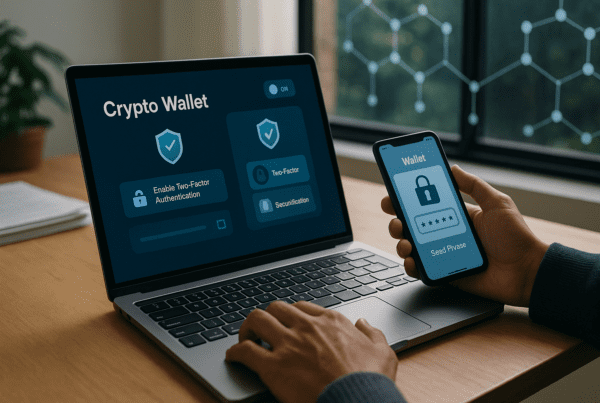
This shift sparked a gradual rethinking of how keys were stored and protected. The advent of multi-factor authentication (MFA) added an additional gate beyond simple passwords. At its core this typically involves pairing something you know, like a password, with something you have, such as a smartphone-generated, time-sensitive code. While MFA does not guarantee invulnerability, security experts widely agree it significantly raises the barrier for would-be attackers.
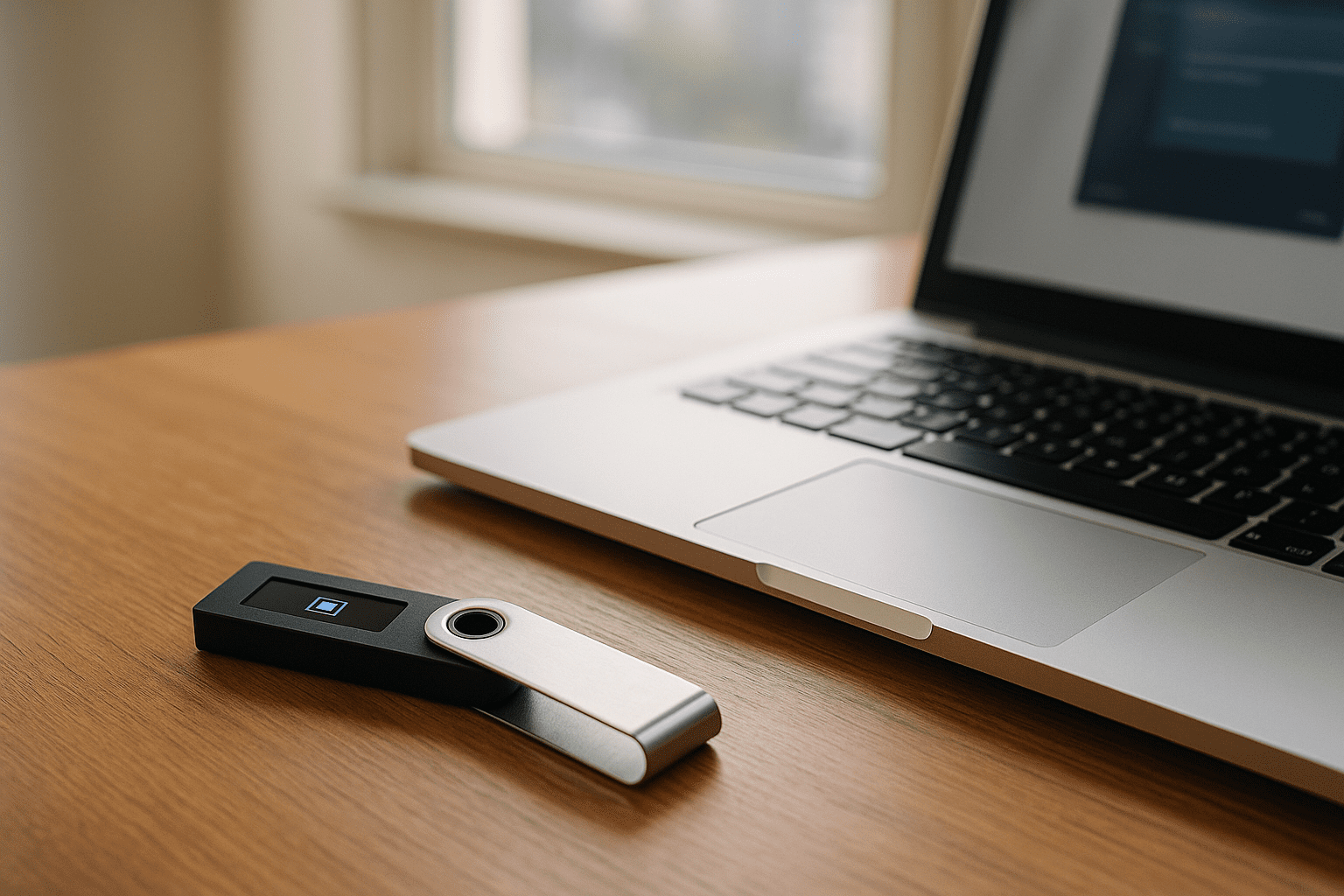
Hardware wallets entered the picture as a quiet yet effective response to increasingly sophisticated online threats. These devices isolate private keys offline, shielding them from hacks, malware, or phishing that plague internet-connected systems. Over time, these gadgets have become more user-friendly and better integrated with common cryptocurrencies, transforming from niche gadgets into essential tools for many holders mindful of protection.
Beyond the wallet: durability and backup innovation
Security strategies have expanded beyond the wallet itself, embracing the realities of loss and damage. Traditionally, paper seed phrases-a sequence of words that unlock access-were standard backups but could be destroyed by fire, water, or simple carelessness. The pursuit of resilience has encouraged new methods like engraving seed phrases on metal plates resistant to extreme damage.
Other inventive approaches look to social recovery systems. By designating a group of trusted contacts capable of jointly restoring access, these frameworks attempt to solve the difficult problem of loss due to forgotten keys or device failure. This collective trust model distributes risk and counters the danger of a single point of failure, which has historically led to permanent asset loss in the crypto community.
Cold storage options, where keys remain offline entirely, coexist alongside hot wallets-those connected to the internet for frequent use-allowing users to tailor security based on their activity and risk appetite. This layered approach underlines the increasing sophistication of wallet ecosystems, balancing convenience with protection.
The evolving landscape of threats and user behavior
Technological improvement only tells part of the story. User behavior and awareness have matured, adapting to evolving vectors of attack. Phishing, a perennial threat, has grown subtler and more convincing. Attackers mimic wallet interfaces, send carefully crafted emails, or lure users to fraudulent websites that steal keys or prompt unauthorized transactions.
In response, the crypto community cultivates a culture of vigilance. Users are advised to inspect addresses carefully, confirm transaction details, and never share private keys or seed phrases regardless of the situation. Enabling real-time notifications of wallet activity adds an additional layer of immediate awareness, enabling faster responses to suspicious operations.
Educational efforts from wallet makers, cryptocurrency exchanges, and independent researchers have played a vital role in spreading best practices. These resources stress that the days of simply protecting wallets with passwords are behind us, especially as criminals employ ever more sophisticated techniques.
Institutional influences and regulatory pressures
The entrance of institutional investors and platforms has introduced professional-grade expectations for wallet security usability and compliance. Institutional custodians operate under stringent regulatory guidelines, requiring strong user identification, audit trails, and risk management systems that keep a close eye on transactional anomalies. These higher standards often trickle down, influencing the tools and protections available to retail users.
Regulators are increasingly vocal about risks related to custody and recovery options, aiming to prevent consumer harm and systemic vulnerabilities. In some jurisdictions, clear guidelines have emerged outlining mandatory security features and transparency requirements for service providers. These frameworks encourage wallet developers to weave security and usability together thoughtfully, ensuring protections do not become barriers for legitimate users.
Looking ahead: balancing innovation and simplicity
The outlook for crypto wallet security points toward continued innovation alongside inevitable complexity. Biometric solutions, including fingerprint and facial recognition, promise convenient yet strong authentication methods. Decentralized identity models envision a future where control is less reliant on a single cryptographic key and more on distributed trust frameworks.
Hardware and software developments aiming to isolate sensitive data, such as secure enclaves in mobile processors, introduce new defenses but also new layers of technical sophistication. This complexity creates a challenge: how to keep security both strong and accessible. User experience matters greatly; difficult or confusing security tools risk being bypassed or misused.
Ultimately, the evolution in crypto wallet security reflects a deeper understanding of the digital finance environment’s risks and opportunities. It portrays a landscape where protection is dynamic and multilayered, responding in real time to technical advances and threat adaptations.
For anyone involved in cryptocurrency-whether a casual holder or an active trader-keeping up with these changes and applying the best security practices is a meaningful way to protect assets and maintain confidence in this developing ecosystem.
Further insights into these trends and protections can be found through Blockchain’s detailed security resources. If exploring hardware wallets is a priority, Consumer Reports offers well-regarded hardware wallet reviews. For a regulatory perspective, the SEC’s cybersecurity page sheds light on frameworks and warnings designed to protect investors in the digital asset space.
Sources and Helpful Links
- Blockchain security resources, explanations and guidance on crypto security fundamentals
- Consumer Reports hardware wallet reviews, practical evaluations of wallet options for users
- Securities and Exchange Commission cybersecurity page, regulatory insights into digital asset protection