Cryptocurrency wallets remain the primary gateway for accessing digital assets, but as these assets multiply in value and users, their protection grows more complicated. The actors behind digital attacks continue refining their strategies, prompting users and developers alike to rethink and upgrade security methods that once seemed reliable.
The Illusion of Perfect Offline Security
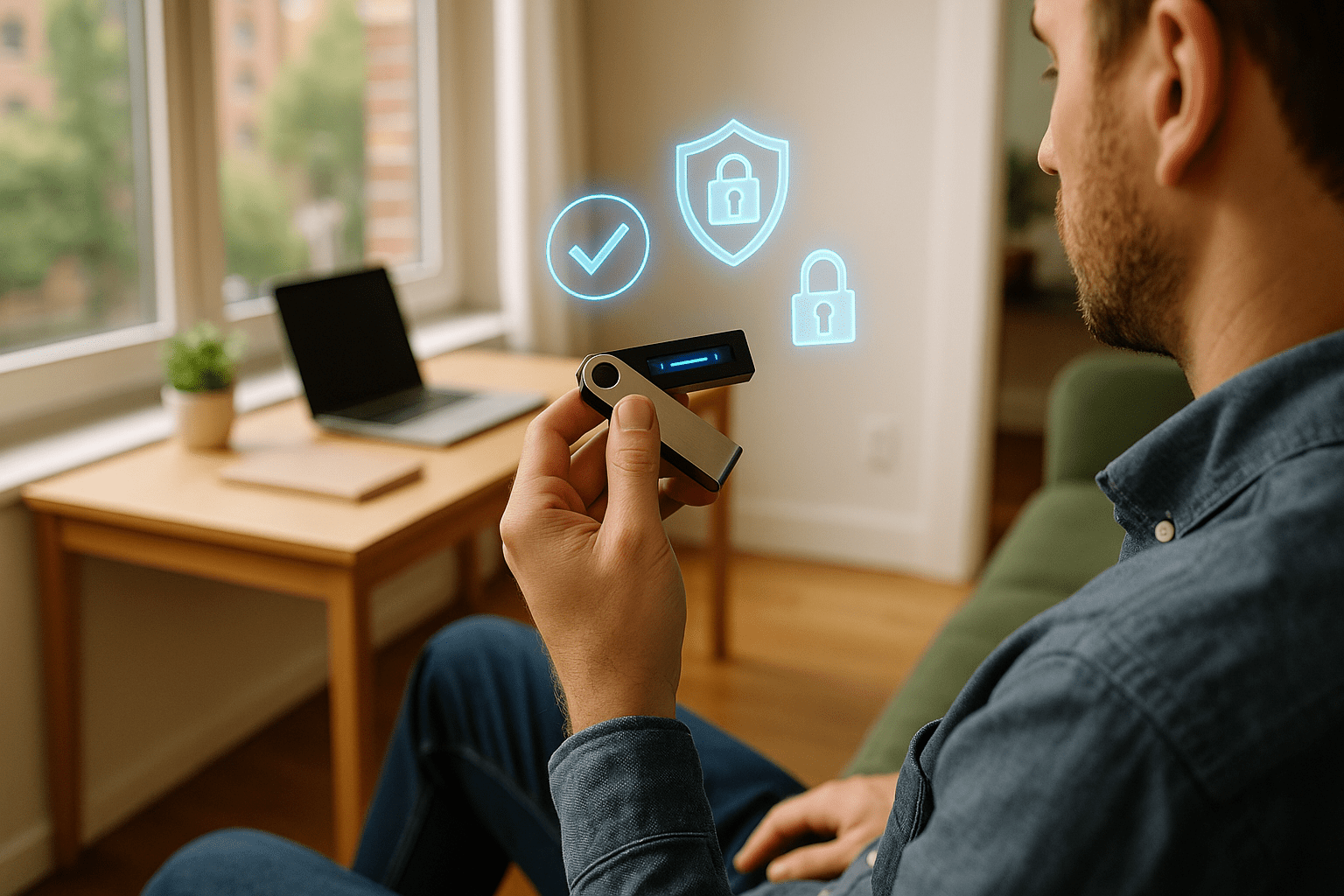
For many years, keeping private keys offline was considered the safest bet. Hardware wallets, designed to isolate keys from internet connectivity, gave users a sense of a fortress against hacking. However, recent reports have revealed that supply chains and even firmware may carry vulnerabilities. Attackers have learned to look beyond networks, exploiting physical shipment methods or sneaky firmware compromises. This exposure makes offline key storage an effective layer but rarely a complete shield.
Software wallets, by contrast, emphasize convenience but hinge on the security of the devices they live on. Malware has grown more sophisticated, phishing attacks have become more convincing, and malicious apps sometimes sneak past review processes on platforms. The allure of quick access and fluid transactions cannot fully erase increased attack surfaces. It’s a reminder that any method involves tradeoffs between safety and ease.
Multi-Factor Authentication Takes Greater Ground
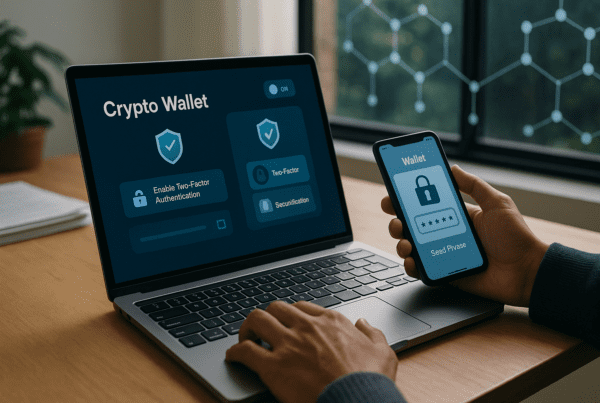
One clear trend is the rise of multi-factor authentication within wallet security. Rather than leaning on a single password or a seed phrase, MFA requires multiple proofs of identity, blending something you know with something you have or even something you are. That might involve a hardware token, a biometric scan, or a one-time passcode generated on a device. This layering raises the barrier for unauthorized access meaningfully.
While custodial wallets generally incorporate MFA at the platform level, non-custodial wallets are starting to offer integrations too. This change signals a broader shift away from a simple, one-time setup toward ongoing security management. It accepts that people forget or lose secrets, and no single method will suffice universally. MFA spreads risk in ways aligned with real-world behavior.
Reconsidering the Seed Phrase and Its Vulnerabilities
The seed phrase remains a crucial piece in wallet recovery, but it carries inherent weaknesses. Once, users might write it on paper and hide it somewhere safe. Now, that solution seems too fragile in many ways. Paper deteriorates, can be lost, or is vulnerable to theft. More users turn to innovations like Shamir’s Secret Sharing, which splits a phrase into fragments that require multiple parts for recovery. This cryptographic method adds resilience against losing or exposing the entire recovery key.
Metal backups are another response; plates or capsules made of durable material can survive fires, floods, or other disasters better than paper. Even so, digital copies persist as a tempting convenience, despite their risks. Without strong encryption and meticulous access control, storing seed phrases on devices or cloud services invites compromise. Balancing durability, accessibility, and security remains an open puzzle for many.
Software Wallets Learning From Users’ Mistakes
The human element remains one of the toughest challenges. Wallet developers increasingly design interfaces and features that anticipate errors and nudge users toward safer habits. For example, some wallets issue transaction alerts if the destination address is uncommon or if the amount seems irregular. Others pause to require extra confirmation on unfamiliar smart contracts. These protective layers don’t guarantee safety, but they provide users with critical moments to catch potential mistakes before funds move irreversibly.
Innovations also include tapping into live threat intelligence. Wallet software can compare transaction patterns or sources with signals indicating phishing or malware activity. Alerts become more dynamic and context-aware, weaving external data into wallet operations. This synergy helps align technological defenses with the constantly evolving tactics of attackers, giving users a better chance to recognize threats in real time rather than after the damage is done.
The Growing Importance of Community and Education
Security is not just a technical problem. Community awareness and education have emerged as vital pillars. Users share information on forums and social media about phishing attempts, fake wallet apps, and new scams. Exchanges and wallet providers often broadcast warnings and updates on emerging risks. These collective efforts form informal vigilance networks, enhancing early detection and prevention of attacks.
This social dimension highlights how wallet safety depends not only on individual precautions but also on the shared responsibility across an ecosystem. The rapid pace of change in cryptocurrency technology means no single party holds all the answers. Collaborating and communicating about risks becomes as important as any code or hardware innovation.
The landscape of cryptocurrency wallet security reveals a persistent tension between convenience and protection. Seeking seamless access while guarding against increasingly complex threats demands layered, adaptable approaches. From offline hardware enhancements through multi-factor authentication, smarter user tools, and community vigilance, evolving practices show a system striving to keep pace. As digital wallets hold more value and attract broader attention, understanding these shifting security realities helps users navigate risks with clearer eyes and better tools.
Adapting beyond trusted traditions, the crypto space embraces resilience through diversified defenses. Recognizing that no single approach can guarantee safety encourages a mindset oriented around continuous improvement, user education, and mutual alertness.
Sources and Helpful Links
- CoinDesk on Cryptocurrency Wallet Security, practical tips and evolving trends for wallet safety
- NIST Guidelines on Cryptocurrency Wallet Security, government-backed standards for secure digital asset management
- Blockchain.com Learning Portal, comprehensive resource on crypto asset protection
- Cybersecurity Insiders on Phishing Risks for Crypto Wallets, details on social engineering impacts and defenses