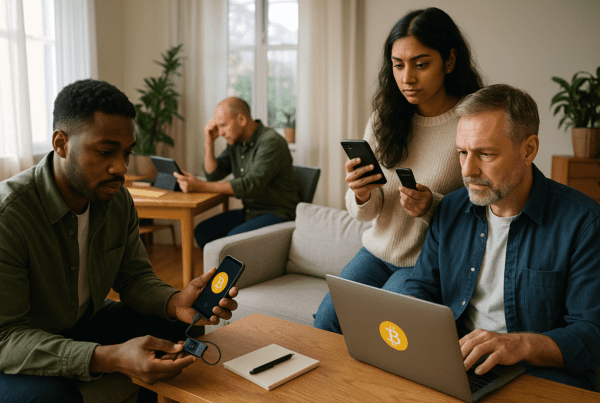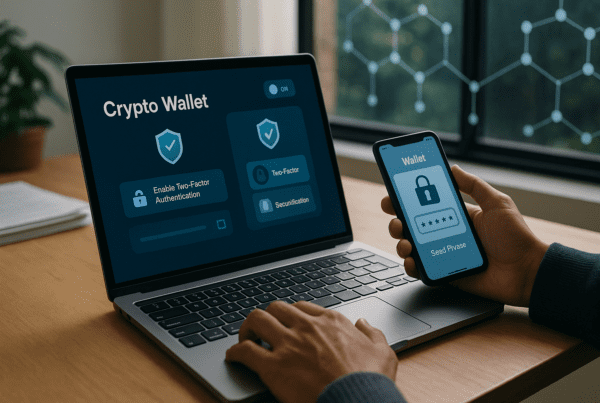

It is becoming more common to see people of all ages using smartphones for payments instead of traditional wallets filled with cash and cards. Digital wallets, applications that store payment information securely and facilitate digital transactions, have been steadily gaining ground. Yet their adoption reveals subtle differences and ripples across generations that go beyond convenience, touching on financial habits, security, and even broader economic access.
The Smartphone as Wallet for Some, Experiment for Others
Among younger generations, particularly Millennials and Gen Z, digital wallets are often the default way to pay. A combination of comfort with technology and a tendency toward mobile-first behavior encourages them to trust digital wallets for everything from in-store purchases to splitting bills with friends. It fits their pattern of integrating financial transactions seamlessly into daily life.
By contrast, older generations like Baby Boomers and the Silent Generation often treat digital wallets with more caution. They may use these tools alongside traditional methods rather than as replacements. Part of this rests on a different relationship to money management, shaped by decades of established habits and concerns about digital security. Their experience with earlier banking technology, like ATMs and online banking portals, reflects incremental adoption rather than wholesale shifts.
Financial Habits Begin to Reflect Wallet Choices
When digital wallet adoption shifts how payments are made, it also nudges the financial behaviors that surround those payments. Younger users tend to rely more on mobile apps that couple budgeting and spending insights with digital wallet transactions. This trend creates a feedback loop where instant notifications prompt quicker reflections on spending, sometimes encouraging more mindful money management.
Older adults may retain a preference for monthly paper statements or bank visits, environments that naturally slow financial decision making and allow time for reflection. The immediacy of digital wallets can feel less comfortable, leading to restrictive use or selective engagement like only using digital wallets for certain types of purchases.
Security Concerns Layered Over Generational Experience
Security remains a common point of concern across all ages, but the perspectives vary. Younger users often view digital wallets as more secure than carrying physical cards or cash. Features such as biometric authentication and tokenization offer reassurance they might not get from a simple card swipe. However, there is also a level of risk normalization among this group, where frequent use may dull vigilance around scams and phishing attacks tied to mobile payments.
Older adults, while potentially less frequent users, may be hyper-aware of security risks. Media coverage of cyber theft affects their trust, and they can be more likely to rely on external guidance or family assistance when managing digital payments. Their experience managing risk through more conventional means means they often remain cautious about adopting new financial tools fully.
Access and Inclusion Challenges That Quietly Persist
At the same time that digital wallets democratize certain financial functions, they can also highlight or intensify disparities. Those without smartphones or stable internet access face barriers to using digital wallets, affecting older adults disproportionately but also specific rural or low-income populations. This affects how financial inclusion plays out in practical terms and influences the adoption gap between generations.
Institutions recognize these gaps, with some banks and payment providers aiming to offer hybrid solutions that combine digital convenience with accessible customer service. For many users, navigating these options depends on personal preference but also on regional infrastructure and community norms.
Notably, digital wallets are also expanding beyond simple payment functions. Many now include features to store identification, transit cards, loyalty programs, and even health passes. These expanded capabilities shape the way people of all ages interact not only with money but with a broader set of services, embedding financial tools into daily life with complex implications.
Emerging Patterns Suggest a Shift, But Not a Replacement
Observing the way digital wallets are weaving into everyday routines reveals a picture less of swift replacement and more of layered strategies. Younger users push toward full integration, often leveraging multiple wallet apps and digital currencies. Older generations tend to add digital wallets as convenient options without giving up longstanding financial habits.
This evolution reflects the broader nature of financial change. Technology does not erase previous behaviors overnight but subtly reshapes how people engage with money. These shifts matter beyond convenience because they affect how people understand security, budgeting, and participation in increasingly digital economies.
For a deeper look at digital payment trends and what they mean for financial behaviors, the Federal Reserve’s Economic Well-Being report provides extensive data on usage patterns across demographics. Meanwhile, Consumer Financial Protection Bureau’s guide on mobile payments offers practical insights into security and choice for consumers weighing digital wallet options.
Understanding these dynamics also connects to ongoing conversations about cybersecurity risks in financial technology. Institutions such as CISA, the Cybersecurity and Infrastructure Security Agency, provide resources to help consumers and organizations stay informed about threats tied to digital financial services.
Adoption of digital wallets across generations is more than a trend; it is an evolving layer of how money moves and how people interact with the financial world. Every generation carries its own experience and expectations, resulting in a complex and ongoing dialogue with technology where finance meets daily life.
Sources and Helpful Links
- Federal Reserve Economic Well-Being report, extensive data on financial habits across demographics
- CFPB’s mobile payments guide, practical consumer advice on digital wallets and security
- CISA Cybersecurity and Infrastructure Security Agency, official resources on cybersecurity risks for financial technology