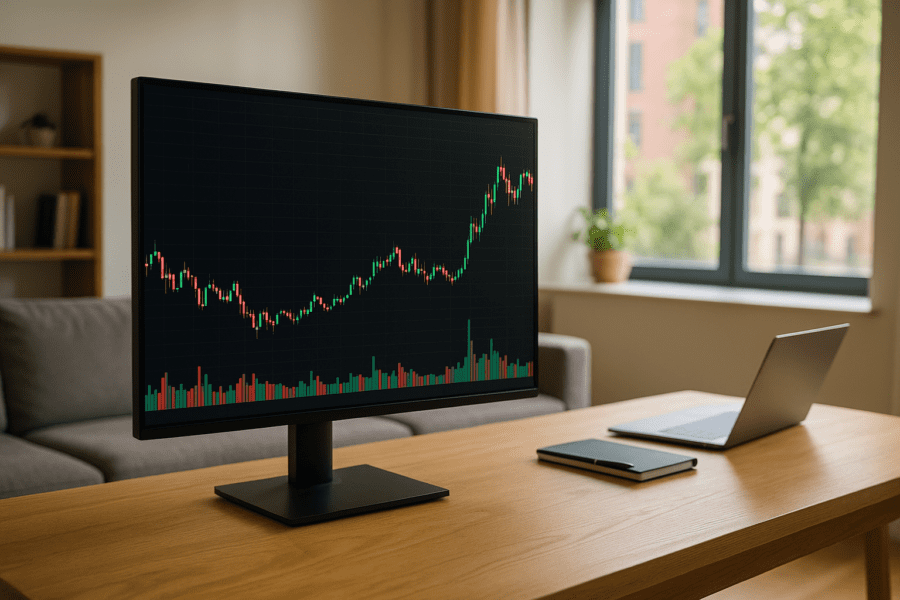

Over recent years, the meeting point between cryptocurrencies and investors has changed significantly. Early on, crypto trading was mostly the domain of enthusiasts familiar with complex software and command-line tools. That world has gradually given way to platforms designed to catch the attention of everyday retail investors. This shift is not just about technology, but also reflects adjustments to regulation and growing mainstream interest in digital assets.
The quiet revolution of welcoming new users
At first, the crypto space felt like a fortress built for insiders. Exchanges often lacked polish or intuitive design, requiring prospective traders to jump through many hoops just to participate. Many of these platforms were based abroad, with customer service and legal frameworks that did not always inspire confidence among casual users.
However, as the industry matured, platforms began to borrow heavily from the user experiences crafted by mobile banking apps and popular e-commerce sites. Comfort, simplicity, and clear navigation became priorities. The rise of Coinbase and Binance exemplifies this change: their mobile apps and websites emphasize straightforward buying and selling, clear pricing, and built-in education about how crypto works. This kind of accessibility is far from superficial; it has substantially broadened the demographic reach of cryptocurrency traders.
According to a CoinDesk report, retail accounts now represent a large slice of the overall volume in crypto trading. This breaks with the earlier model where institutions and wealthy insiders held most sway. The result is a trading ecosystem that balances new waves of small investors with emerging institutional activity.
Regulation as a shaping force beneath the surface
Globally, regulators have stepped up attention to the crypto sector. In the United States, the Securities and Exchange Commission has been particularly active in targeting tokens and platforms it views as not following established securities rules. This kind of enforcement sends a clear message that traditional market norms are influencing how crypto must operate.
For crypto platforms, this means a heavier focus on compliance processes. Many have introduced additional identity verification steps, enhanced fraud detection systems, and tighter controls on which products can be offered to specific users. From the retail investor standpoint, this creates a mixed experience. Signing up can involve waiting and sharing more personal information than some expect from online services.
Yet, these requirements are also designed to shield users from frequently reported scams and manipulations that marred crypto’s early days. The downside is a patchwork of regulations across different countries, which affects which platforms or tokens investors can access locally. Maintaining awareness of such regulatory landscapes is important, and the SEC’s crypto oversight pages remain a valuable resource for tracking how rules develop for investors in the U.S.
Decentralized exchanges and the untamed frontier
Centralized platforms have been the main gateway for many retail participants, but decentralized exchanges offer a fundamentally different model. These platforms let users trade assets directly from their digital wallets without handing control to any custodian or intermediary. For those concerned about control and privacy, DEXs present an appealing option, despite their more complex nature.
Users must manage private keys carefully, understand wallet operations, and tolerate the unpredictability of transaction fees, known as gas fees. The absence of central customer support also means troubleshooting is mainly user-driven, which can be daunting. Still, developers are working on improving user interfaces and wallet compatibility to reduce barriers. According to an analysis by The Block, retail adoption of decentralized trading platforms continues to rise, even as usability remains a challenge for many new investors.
How retail volatility steers platform evolution
Retail traders often express enthusiasm when markets rally but can retreat rapidly when volatility spikes. This behavior influences how platforms approach risk management and user education. Many have integrated features such as alerts about price swings, optional limits on trade sizes, and tools that visualize portfolio health to help users navigate unpredictability.
Nevertheless, no platform can fully shield new investors from the sharp swings characteristic of cryptocurrency markets. Downturns have revealed the risks inherent for those less experienced with such volatile assets. The recurring cycle of boom and bust has led both regulators and platforms to rethink how to safeguard investors without stifling innovation or access.
Shaping a landscape where access itself transforms markets
Looking ahead, innovations in blockchain scaling are set to improve transaction speeds and lower fees, potentially making decentralized platforms more attractive and accessible. Regulatory approaches will continue to evolve in response to new market realities and technological activity.
Meanwhile, the ongoing refinement of wallets, integration of fiat on-ramps, and expanded educational efforts could make crypto trading more navigable for a broader audience. Still, these advances bring complexity. Understanding who participates and how well they grasp the space remains critical not only for market behavior but also for shaping future outcomes of this still-changing sector.
This ongoing transformation underlines that crypto investing is not simply about adding a new asset class to portfolios. It reflects a deeper shift in how market access, global technology, and regulatory structures intersect. Observing this can offer insights that go beyond price movements to the broader evolution of financial ecosystems in the digital age.
Sources and Helpful Links
- CoinDesk on Coinbase expanding retail access, recent report on retail investor growth in crypto trading
- SEC cryptocurrency enforcement, official information from the US regulator on crypto guidance
- The Block analysis of decentralized exchange adoption, examining retail user flows and challenges