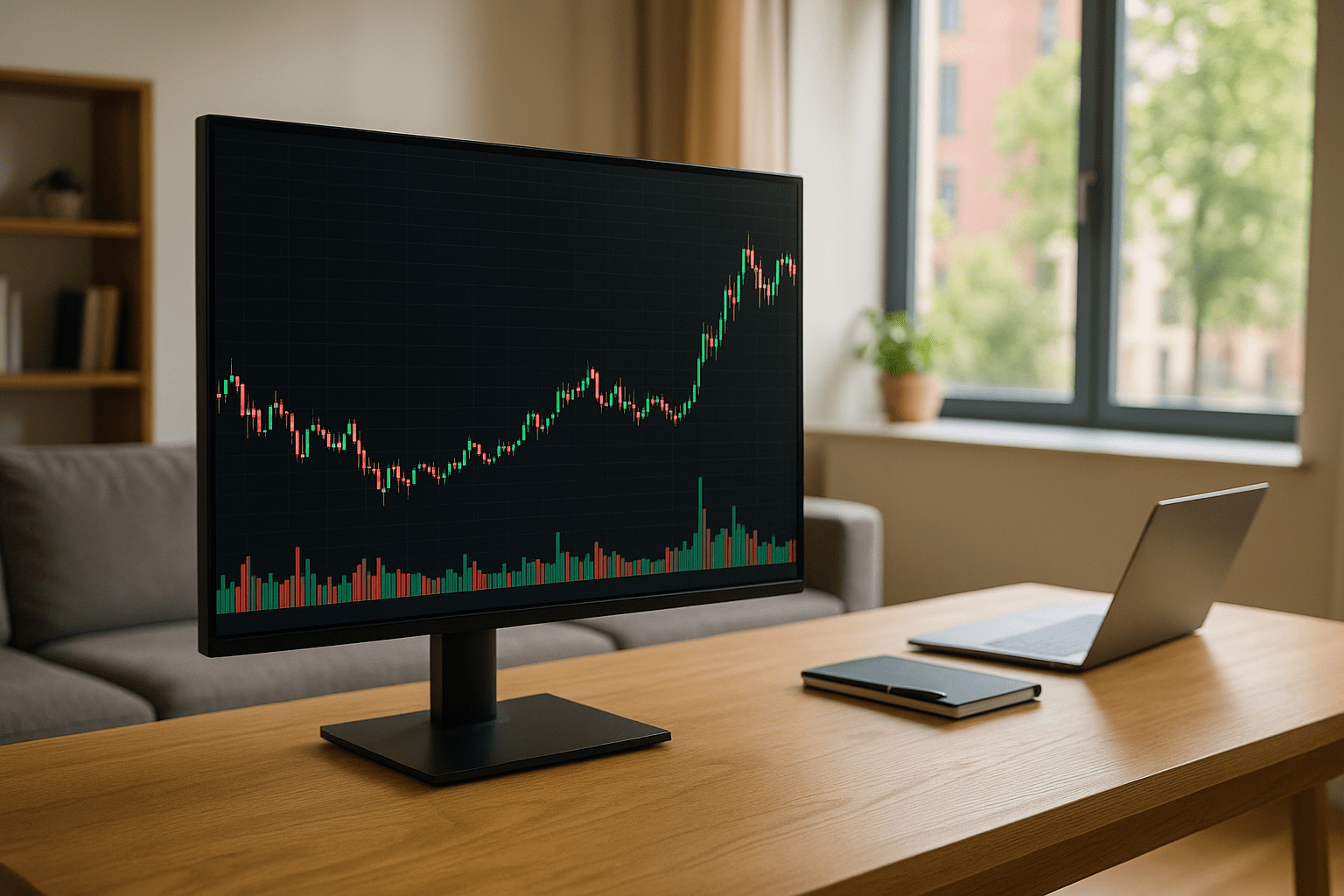
When significant moments hit cryptocurrency markets, it is these shifts in trading volumes that often provide the clearest signals of how investors digest change. Trading volume, the total number of coins or tokens exchanged, does not fluctuate randomly, especially in the aftermath of major events. Instead, it paints a picture of collective response, sometimes revealing emerging confidence, sometimes reflecting uncertainty or nervousness.
The Immediate Rush and Lingering Echo
Consider the way volumes respond right after a significant event. In almost all cases, there is a sudden spike, as traders rush to reposition themselves. Fear of missing out, panic, or the desire to capitalize pushes activity up sharply. This reaction is visible across many event types, whether it be new regulations taking shape, technological innovations being unveiled, or abrupt price changes sparking attention.
What follows this initial burst is less predictable but equally telling. Rather than retreating rapidly to normal levels, trading volumes often hover at higher-than-usual levels for some time. This persistence suggests a market still absorbing the consequences and adjusting its footing. It is during these days or weeks that traders test new strategies, recalibrate risk assessments, and weigh fresh information. The sustained engagement points to ongoing dialogue within the market rather than closed chapters.
This pattern does not look the same every time. In cases where regulatory news carries uncertain outcomes, volume can stay elevated longer, reflecting a cautious, probing market stance. Conversely, a major partnership announcement might elicit a solid but steadier increase in volume, signaling enthusiasm without frantic speeds.
How Different Events Shape Volume Trajectories
Diving further into the data, event type distinctly colors the volume response. Regulatory announcements stand out for their tendency to produce sharp volume spikes paired with highly volatile prices. The uncertainty over how legal frameworks will shift risk calculations often leads to quick rebalancing, hence erratic trading behavior.
Technological upgrades and launches tell a different story. Volume rises here usually come in a more measured and sustained manner. Market players may see these developments as signs of stronger long-term foundations rather than short bursts of speculation.
When markets crash, volumes soar to new records. These surges are driven primarily by panic selling and rapid shifts as participants seek to exit or reposition rapidly. Once the initial fear ebbs, volume typically declines but can remain above average as more measured traders look for value or potential rebounds.
Not all significant happenings trigger big volume swings. Subtle shifts or unconfirmed rumors sometimes cause only mild volume changes, indicating a more discerning market that values clarity and confirmation before acting.
Trading Volume as a Window into Market Mood
Trading volume operates as more than a mechanical input; it reflects collective emotion and sentiment. Peaks in volume frequently align with heightened emotions such as fear or greed, moments when uncertainty or opportunity feels most acute. When volume stays raised after prices stabilize, it often marks the market searching for a new consensus and equilibrium.
In contrast, quick drops in volume may suggest doubt or fatigue, as participants pause to consider new signals. Notably, as the cryptocurrency ecosystem matures, volume patterns have become more tempered. Earlier phases saw wild surges followed by sharp declines, reflecting a less steady market. Today, institutional players and improved exchange infrastructure contribute to smoother volume trends, adding resilience to the system.
Volume patterns thus open a window on how investor psychology evolves alongside market structure. Sudden shocks still prompt rapid fluctuations, but the overall landscape reveals increasing sophistication in processing information and managing risk.
Complexities and Caveats in Volume Analysis
Despite its value, volume is never a standalone indicator. High volume confirms that a lot is happening, but does not pinpoint whether prices will continue upward, stabilize, or reverse. It gains meaning only when placed alongside other tools such as price movement, order book depth, liquidity, and broader economic or geopolitical news.
Also, modern trading introduces new wrinkles. Automated systems and algorithmic strategies can inflate volume figures rapidly, creating noise that does not necessarily carry fundamental signals. Different exchange platforms have varying liquidity, fee structures, and reporting cautions that also affect how volume metrics should be interpreted.
Ultimately, volume patterns should be seen as one piece in a larger mosaic. Observers who track volume across multiple events and market states acquire a richer perspective, understanding the rhythms and tendencies within a changing ecosystem.
Finding Volume Insights in the Age of Data
Access to volume data today is unprecedented. Cryptocurrency exchanges and market aggregators provide near real-time statistics, making it easier to monitor how volumes react to unfolding events. Platforms like CoinMarketCap and Coinbase Pro are valuable sources for following these shifts live.
Those seeking to understand the relationship between volume, prices, and sentiment can turn to educational hubs like Investopedia, which offer grounded explanations rooted in market realities rather than theory alone.
Looking at volume over extended time frames reveals patterns beyond momentary noise. It chronicles how the global community of traders and investors engages with crises and breakthroughs alike, reflecting collective decisions about value and risk.
While markets will no doubt continue to surprise and challenge, volume remains one of the clearest immediate markers of the market’s pulse when change strikes.
Sources and Helpful Links