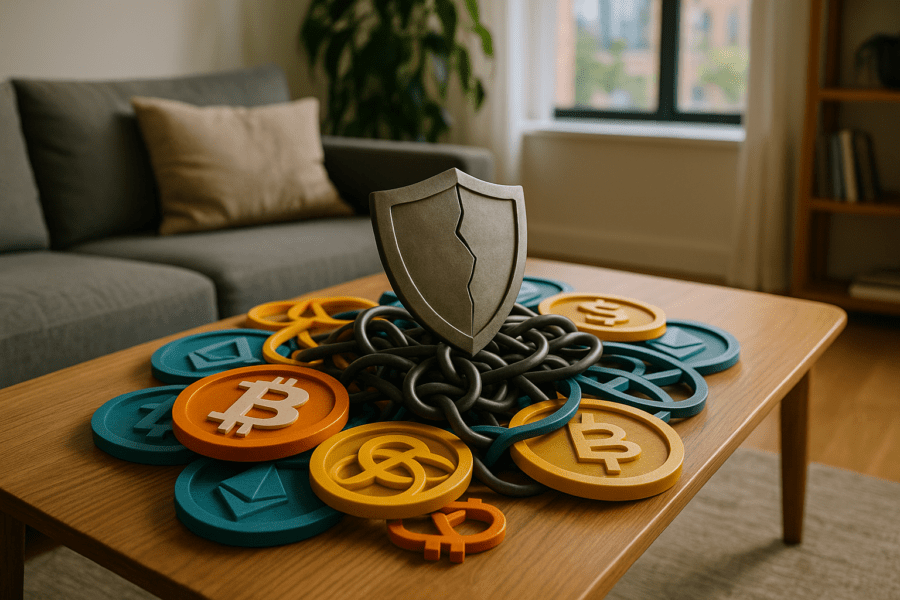

The world of cryptocurrency has long carried a dual reputation. On one side, it offers new freedoms in financial access and innovation. On the other, it remains fertile ground for scams adapting to shifting technology and user behavior. Recent developments in crypto fraud reveal patterns and tactics that highlight deeper vulnerabilities in how consumer protection functions amid rapid change.
Scams Wearing New Faces
Early crypto scams were often straightforward and familiar. Fake initial coin offerings, pump-and-dump schemes, and phishing attacks targeting wallet credentials have been part of the scene for years. But lately, fraudsters have layered complexity into their strategies, combining psychology with technology to make scams harder to spot. One notable trend is the use of social engineering methods that exploit genuine user interactions or leverage sophisticated tools such as deepfakes and chatbot impersonations. These tactics allow scammers to build trust gradually before deceiving victims.
Another tactic gaining traction is so-called “rug pulls” in decentralized finance or DeFi projects. These scams take advantage of blockchain’s promise of transparency while actually hiding malicious intent behind seemingly legitimate projects. Often, a group creates a DeFi platform that looks professional and trustworthy, backed by social media campaigns and influencer endorsements, only to disappear suddenly after raising funds. This blending of social proof with complex, often opaque financial mechanisms makes it harder for everyday investors to assess risks accurately.
Additionally, scammers continue to explore hybrid approaches mixing traditional cybercrime with crypto-specific elements. Fake customer support channels, fraudulent airdrops, and false giveaways circulate on platforms like Discord, Telegram, and Twitter, preying on hopeful newcomers and experienced users alike. These scams exploit not just technical gaps but human tendencies toward urgency and trust.
Why Traditional Protections Struggle To Keep Up
The nature of cryptocurrency poses fundamental challenges to traditional consumer protection frameworks. Finance regulations have long depended on clear lines of accountability, licensed intermediaries, and mechanisms to reverse fraudulent transactions. Blockchain’s decentralized and pseudonymous architecture upends many of these assumptions. Without a single centralized entity, it is nearly impossible to hold a party responsible or undo transactions once settled.
The global regulatory landscape adds another layer of complexity. Countries vary widely in how they handle crypto, from welcoming innovation with light oversight to banning certain activities outright. This fragmented approach allows scammers to operate in jurisdictions with lax enforcement, reaching victims in more regulated markets. Agencies like the Securities and Exchange Commission and Federal Trade Commission have increased enforcement actions targeting crypto fraud in the United States, but these efforts often feel reactive and limited when pitted against the scale and speed of scams.
Moreover, many crypto users are enthusiastic but lack deep financial literacy. The allure of high returns and novel technology can overshadow caution. Scammers frequently use psychological tactics such as limited-time offers, fear of missing out, and appeals to exclusivity. These approaches chip away at healthy skepticism and prompt hurried decisions, making it difficult for consumer protections to intervene effectively.
Signals From Scams Pointing to Consumer Needs
Insights from recent fraud cases underscore several evolving consumer needs. First, education must go beyond basic wallet setup and exchange use to include understanding digital identity, governance structures in DeFi projects, and the signs of social engineering attacks. Too often, warnings remain abstract or technical, failing to connect with users’ real experiences and decision-making moments.
The prominence of social media platforms as hubs for crypto activity exposes weaknesses in moderation and verification. Twitter, Discord, and Telegram serve as channels not just for communities and information, but also for scams. Strengthening controls on verified identities and removing known malicious accounts could help reduce these risks. However, balancing open discourse with safety is a careful process that requires ongoing attention.
Technology itself offers tools that could assist. Behavioral analytics can flag suspicious transactions or accounts based on patterns of activity. Projects experimenting with decentralized identity solutions aim to blend user privacy with greater accountability, but these remain in early development stages. Transparency and fairness in such tools are crucial to avoid false positives that might frustrate legitimate users or invade privacy.
Importantly, consumer protection will have to be a collaborative effort involving regulators, platforms, developers, and users. Enhanced reporting systems and clearer alerts for emerging scam patterns can improve responses. Independent watchdog organizations and data analysis firms like Chainalysis contribute vital insights into crypto crime trends and infrastructure weaknesses, helping focus preventive work where it matters most.
What Comes Next for Safeguarding Digital Assets
Individuals navigating the crypto space face a landscape that evolves as rapidly as the technology behind it. Understanding the limitations of existing protections and the nature of new threat tactics is a first step toward more effective defense. The growing sophistication of scams calls for consumer supervision that is equally nimble, blending regulatory flexibility, better education, and technological innovation.
Government agencies, such as the Federal Trade Commission and the Securities and Exchange Commission, continue to increase awareness campaigns and enforcement efforts. Community discussions around ethical standards and transparent marketing practices also hold potential to raise industry norms and user expectations.
Responsibility for protecting users in this framework falls across many shoulders. Developers designing smart contracts and DeFi mechanisms must consider safeguards against abuse. Platforms hosting communities and transactions need robust moderation tools. Users themselves benefit from continuous learning and cautious engagement.
Ultimately, the evolving playbook of crypto scams is a reminder that growth in decentralized finance comes with new kinds of risks that traditional protections were never built to handle fully. Keeping pace with these challenges requires patience, attention to detail, and cooperation that respects the unique qualities of digital assets and their ecosystems.
For anyone venturing into cryptocurrency, staying informed through reliable sources and remaining skeptical of offers that seem unusually lucrative remains a fundamental defense. The changing face of crypto scams highlights where protections are lacking and where efforts must continue to ensure finance’s future innovations do not come at the cost of consumer security.
Additional resources from regulators and industry experts provide ongoing guidance. The FTC’s consumer alerts on crypto scams offer practical advice and up-to-date warnings, while the SEC’s focus on crypto fraud prevention details regulatory efforts and enforcement priorities. Firms like Chainalysis bring data-driven perspectives to understanding how illicit activity flows through blockchain networks.
Sources and Helpful Links