
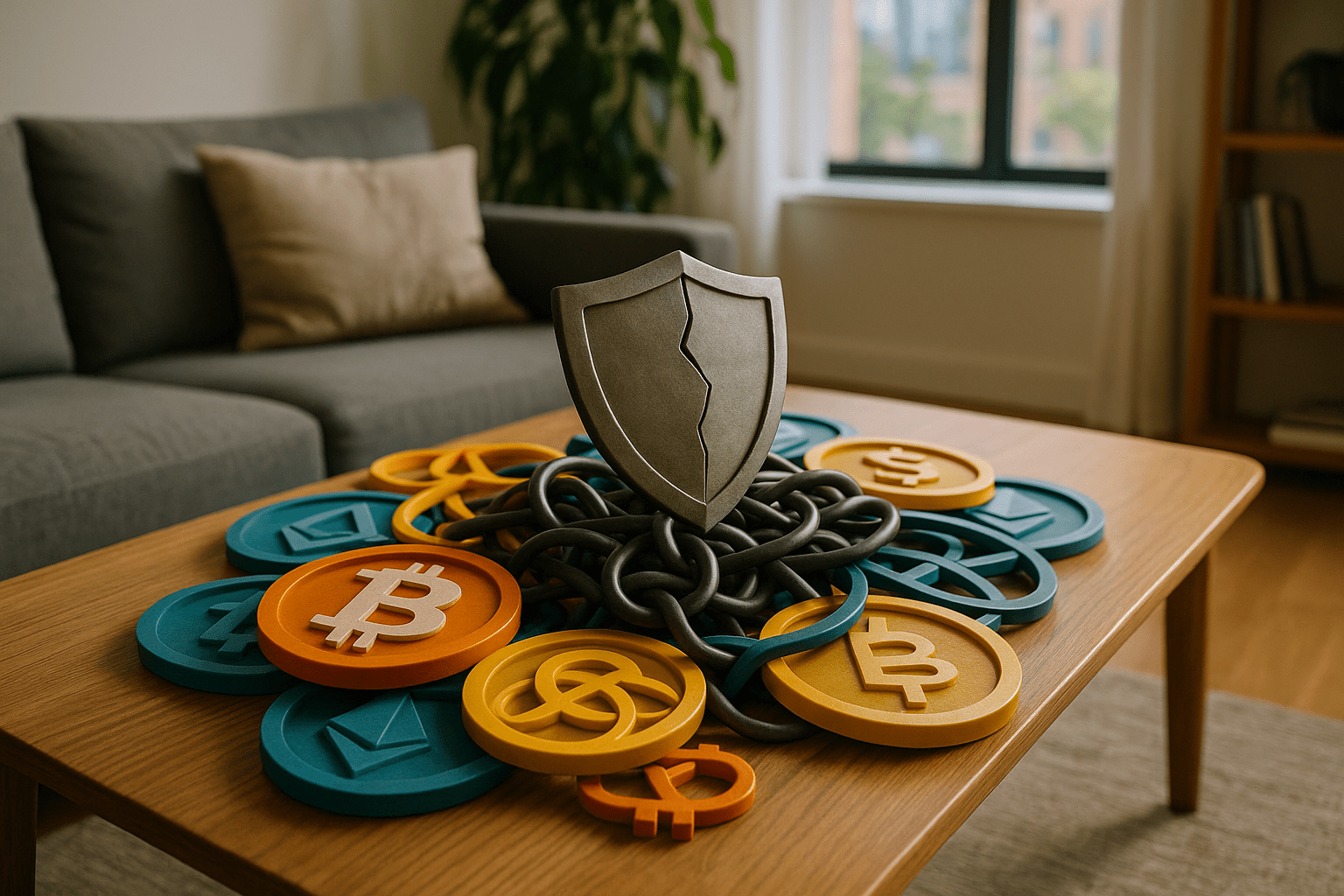
Cryptocurrencies continue to draw in all sorts of people, from those well-versed in finance to curious newcomers exploring what digital assets might offer. The underpinning technology promises innovation and freedom from traditional gatekeepers, yet this same openness exposes users to a unique set of risks often absent in conventional financial systems. Without firm regulatory footing, consumers face growing uncertainties, scams, and unclear protections.
The uneasy mix of freedom and risk in digital money
When transactions occur without a central authority, the potential for both opportunity and trouble increases. This lack of oversight means there is rarely a safety net for users when exchanges exit unexpectedly or wallets get hacked. What might seem like a novel, empowering experience can quickly feel like stepping into uncharted territory where trust is fragile and risks multiply.
News of fraud and theft in cryptocurrency is far from rare nowadays. Ponzi schemes disguised as shiny new tokens or phishing attacks targeting digital wallets have become daily concerns. Scammers have proved adept at exploiting both the technical complexity and the general enthusiasm surrounding crypto, adapting their tactics quickly as the ecosystem grows.
The technology itself, while innovative, does not automatically protect against human error or deception. Many users may assume the blockchain is an ironclad safeguard, but it simply records transactions-it does not prevent a private key from being compromised or a scam from tricking an investor. The complexity of the systems involved often adds barriers rather than clarity.
Regulatory frameworks still trying to keep pace
Governments and regulatory bodies face a tough challenge keeping up with this rapidly evolving sector. While some jurisdictions have begun to implement rules that bring cryptocurrency exchanges under closer scrutiny, many parts of the market still exist in a regulatory no-man’s land. This patchwork leads to an uneven playing field and confusion for consumers who might expect protections similar to those in traditional finance.
For example, if an exchange is hacked or becomes insolvent, users often find they have little recourse or clarity on whether insurance covers their losses. Traditional consumer protection laws frequently do not extend to many aspects of digital asset ownership, leaving gaps that scammers exploit.
Agencies such as the Securities and Exchange Commission (SEC) and the Commodity Futures Trading Commission (CFTC) apply existing laws to cryptocurrency activities that resemble securities or commodity trading. However, not all coins or tokens fit neatly into these categories, and the evolving definitions create enforcement challenges and uncertainty.
How clarity and knowledge can shift the balance
One of the clearer paths toward better consumer protection in crypto is through education. Understanding how wallets work, spotting common fraud patterns, and recognizing the limits of technological protections can help users avoid many common pitfalls.
Transparency is another area where the industry still struggles. Many consumers report confusion about how their digital assets are stored, who holds custody, and what protections exist if something goes wrong. This lack of clear, standardized disclosures can lead to misunderstandings and misplaced trust.
While some platforms have begun offering more straightforward information about fees or custody arrangements, these improvements are inconsistent and voluntary. Without broad regulatory mandates or common standards, the burden remains on users to sift through often opaque and technical details.
New innovations add layers of complexity
As cryptocurrencies branch into decentralized finance (DeFi), non-fungible tokens (NFTs), and tokenized real-world assets, consumer protection challenges multiply. Each innovation brings new risks and regulatory uncertainties that have yet to be fully understood or addressed.
DeFi platforms, for example, operate without traditional intermediaries by relying on smart contracts to facilitate loans, investments, and other financial activities automatically. This design can reduce costs and increase access, but it also removes some protections users might expect from regulated financial institutions. Off-chain risks like software bugs or governance disputes can have real world financial impacts that are difficult for average users to assess.
The rapid rise in NFT projects and tokenized assets also opens doors to speculative and illiquid markets that lack the transparency and consumer safeguards found in traditional finance. Scammers often exploit hype cycles, making it easier to sell questionable products with few checks.
Addressing these unfolding challenges requires both adapting existing consumer protection frameworks and crafting new ones suited to digital assets’ unique nature. Regulators watch cautiously, while participants and observers debate where the lines should be drawn between fostering innovation and ensuring safety.
Recognizing the current cryptocurrency environment as one where opportunity coexists uneasily with risk helps set realistic expectations. There is nothing automatic about protection here; it comes only through awareness, caution, and attention to evolving regulatory signals.
Consumers engaging with cryptocurrency today can benefit greatly from staying informed about changes in regulation, emerging scams, and evolving security practices. Skepticism and research remain valuable tools to avoid pitfalls.
In a market that frequently tests the boundaries of existing legal and consumer protection systems, keeping watch on official updates and educational resources becomes essential. Entities like the Consumer Financial Protection Bureau provide guidance for those navigating the complicated terrain of virtual currencies.
The uncertain shape of cryptocurrency regulations and protections ensures this topic will remain a focus for users, regulators, and industry watchers alike. Both risks and opportunities continue to evolve, making consumer protection an active frontier rather than a closed chapter.
For further context and safety tips, the SEC’s cybersecurity hub and the CFTC’s Bitcoin page offer regularly updated insights that are helpful to anyone invested or interested in digital assets.
Sources and Helpful Links