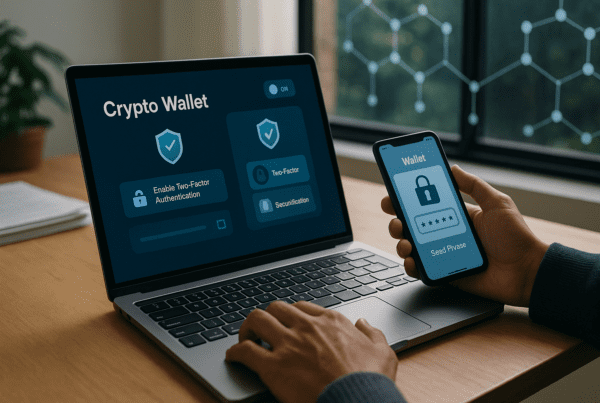
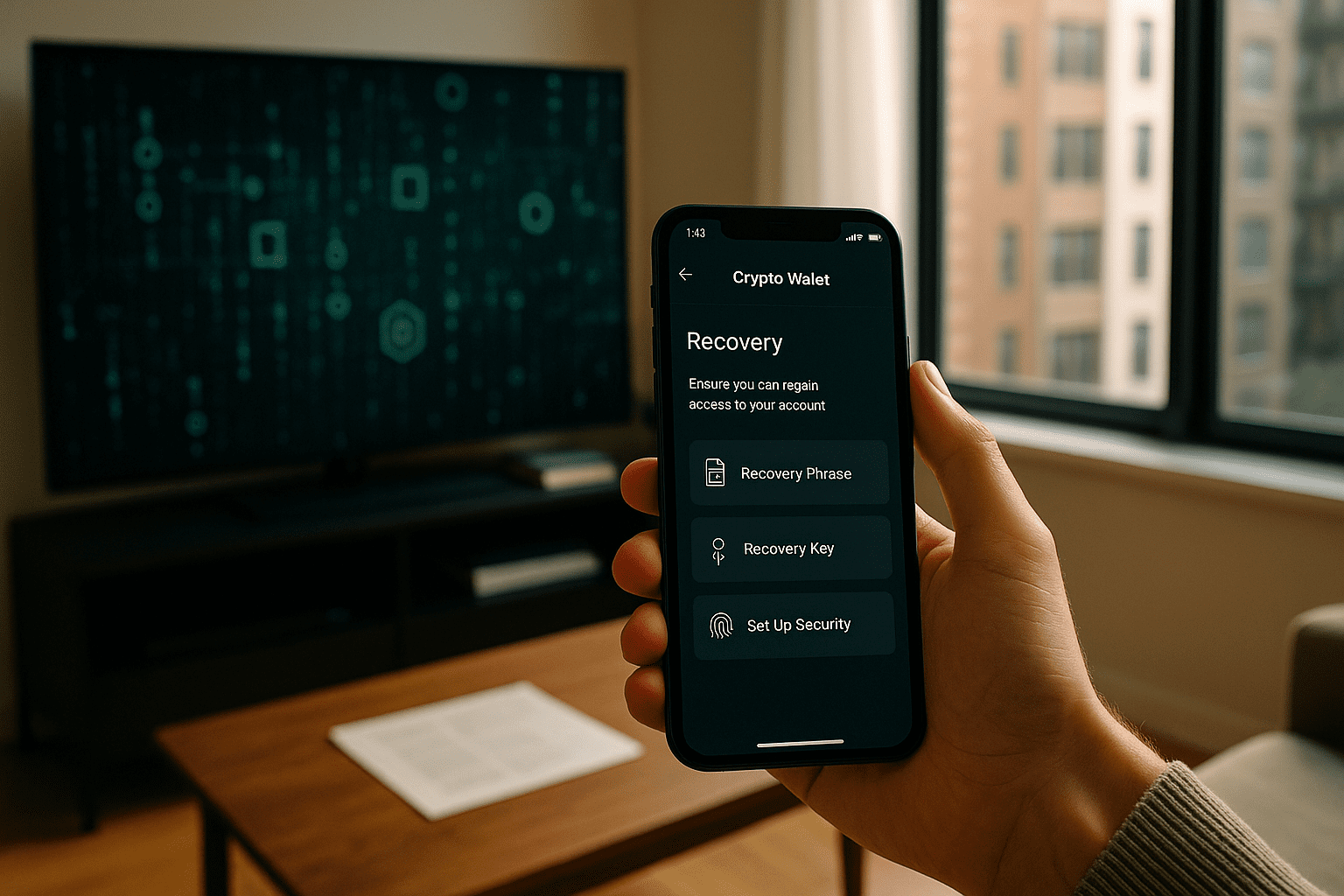
There was a time when losing access to a cryptocurrency wallet meant an irreversible financial loss. Private keys or seed phrases lost, forgotten, or misplaced meant wallets locked away with no hope of recovery. But the landscape is shifting as new wallet recovery tools come into view, ushering in questions about how this technological evolution affects the practical finances of crypto users and the ecosystem at large.
The lure of recovery and its real costs
Wallet recovery innovations have emerged as a response to a stubborn problem in crypto usage. Unlike traditional banking, crypto’s security protocols rely heavily on the one-person-one-key model. This has always been a tradeoff: maximum security but with a high cost if access is lost. Now, recovery tools aim to offer a safety net without compromising this security. But there is no free lunch in finance, and these tools introduce financial implications layered in subtle but significant ways.
For starters, many recovery solutions involve some form of custodial service or multi-party access controls, which by design can erode the absolute control once celebrated by crypto holders. Some services charge fees or take a percentage of recovered amounts. Others require sharing some personal or key information with third parties, shifting risk and raising privacy concerns. So even if a wallet is technically recoverable, the user might face financial tradeoffs that affect both the recovered amount and their ongoing control of assets.
Moreover, some tools work by leveraging insurance-like models or bonding mechanisms to protect users from permanent loss. These setups can impose up-front costs or ongoing fees, which also shape an individual’s financial calculation about whether recovering a lost wallet is worthwhile. It becomes less about recovering lost funds and more about negotiating a new financial relationship with intermediaries who occupy spaces once considered purely self-sovereign.
Balancing security and convenience in monetary terms
The balance between convenience and security has always been delicate in crypto custody. Recovery tools often introduce mechanisms like social recovery where a trusted network can help restore access, or multi-signature arrangements involving third-party trust agents. Such setups blur traditional definitions of ownership, and by extension, financial control.
Financially, these developments can influence user behavior. On one hand, knowing there is a fallback might encourage riskier asset storage or less stringent personal security habits. On the other, these recovery features could make crypto more attractive to broader audiences wary of losing assets forever, potentially expanding adoption and market liquidity. The ripple effects on market value and user confidence will be telling, but they show how recovery tools intersect with finance beyond the immediate wallet.
Interestingly, regulatory agencies are watching these recovery approaches with interest, as they introduce new compliance considerations. For example, services that assist in wallet recovery might face scrutiny similar to custodians or brokers, which could translate to additional compliance costs passed along to consumers. Hence, the financial ecosystem surrounding crypto is adjusting, sometimes in unpredictable ways prompted by these technical innovations.
What users really give up and gain
When users opt into a recovery service, they often give up a piece of anonymity or absolute control in exchange for access if things go wrong. This can take the form of sharing encrypted access credentials, registering identity proofs, or submitting to multi-party controls. Each additional layer introduces potential financial vulnerabilities, from direct fees to indirect exposure to fraud risks or business failures of custodial providers.
On the flip side, the psychological and financial relief of knowing there is a recovery option can be profound. It affects how people budget their crypto portfolios, how they regard their assets, and whether they hold certain coins at all. More confidence can translate into more active trading or longer-term holdings, which in turn influences market dynamics and liquidity. The financial implications thus extend beyond individual wallets and into the broader health and behavior patterns of the crypto economy.
Recovery innovation as part of a maturing financial ecosystem
Emerging recovery tools arrive as cryptocurrency matures from a niche technology to a mass financial instrument. The evolution mirrors patterns seen in conventional finance where insurance, custodianship, and access mechanisms reshaped market participation and risk management. Crypto is not immune to these shifts, even if its ethos emphasizes decentralization and self-sovereignty.
As recovery tools develop, users will need to watch closely what they entail financially and operationally. Understanding how fees structure, privacy tradeoffs, and regulatory compliance combine will be essential to making informed decisions. Recovering a locked wallet is no longer a simple technical task; it is a financial choice embedded in a complex web of risks, costs, and benefits.
In a practical sense, these tools represent a bridge over a longstanding obstacle in crypto adoption. Whether they truly democratize asset security or create new dependencies will depend on how users navigate these financial implications, and how the market regulates and innovates in response.
For anyone involved in cryptocurrency, keeping an eye on wallet recovery tools offers a window into the evolving relationship between technology, security, and finance. It also underscores how even small technical shifts in crypto can ripple outward, influencing financial behaviors, market structures, and ultimately the long-term viability of digital assets in everyday life.
More detail and context can be found in resources like Coin Center which offers ongoing analysis of crypto regulations and technologies, or the Blockchain Learning Portal which covers wallet security fundamentals. For practical guidance on custody and recovery methods, NaclWallet’s blog is an example of applied discussion around recovery tools in crypto wallets.
Sources and Helpful Links