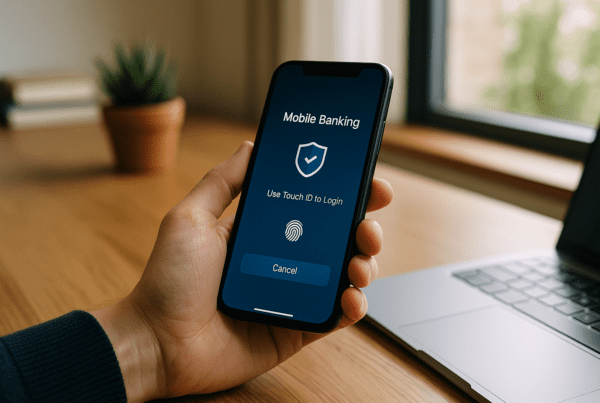
The way people save money is undergoing a subtle transformation, much of it led by innovations in mobile banking. Savings accounts, once viewed as static repositories, are becoming more interactive and in tune with daily financial habits. As banks and fintech companies add features to mobile apps, the relationship between savers and their accounts appears less distant and more dynamic.
Small nudges shaping bigger decisions
It is remarkable how a simple notification or an easy-to-set rule within a banking app can encourage users to save more consistently. Features like automatic transfers, round-up transactions, and goal-setting tools quietly insert saving into everyday actions without demanding a big upfront commitment.
For example, round-up functionality, which rounds purchases up to the nearest dollar and transfers that difference to a savings account, feels almost effortless. Users might not even consciously think of it as saving money but over weeks and months, it adds up. Banks report this encourages more frequent savings habits especially among younger customers who are typically more engaged with digital experiences.
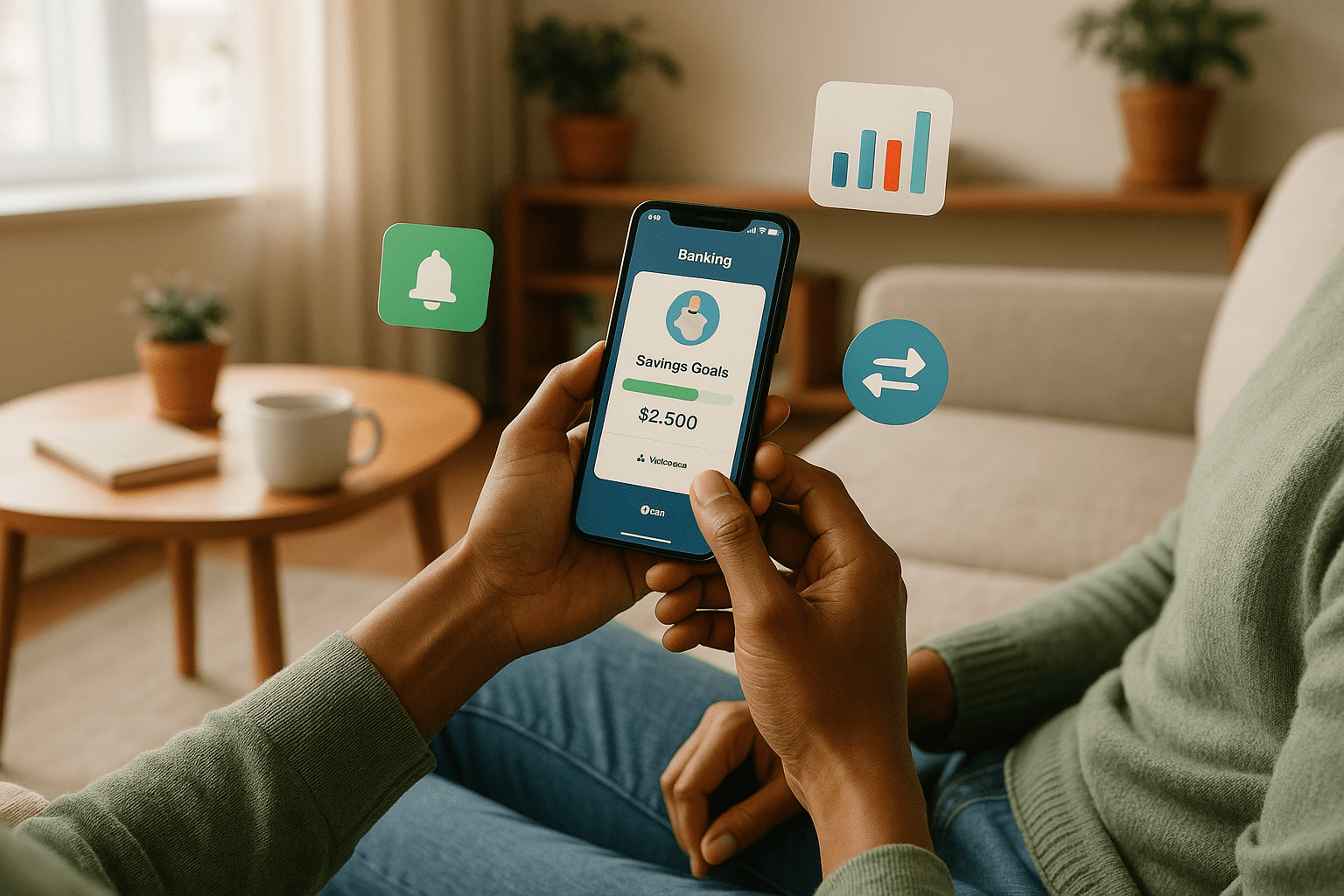
Apps from several providers prominently display saving goals, helping users visualize their progress. When an app shows that a vacation fund is inching closer to its target or an emergency fund is steadily growing, it creates a mild sense of achievement that can be surprisingly motivating. In turn, seeing achievements unlocked or milestones reached may encourage people to save a bit more or continue the good habit.
Bringing personalization to what used to feel generic
Long gone are the days when savings accounts were one size fits all products with little room for personal touches. Mobile banking has enabled a level of customization that helps customers feel that their savings strategies are unique to their circumstances.
Some apps now analyze transaction data to suggest optimal saving amounts or schedules. While these suggestions are designed to be helpful, they also reflect a deeper shift: savings accounts are no longer just static places to stash money, but active parts of an individual’s financial plan tailored through technology.
This personalization builds trust and encourages frequent interaction with the app. People check their balances more often when they feel that the tools they use understand their goals and constraints. It also allows banks to offer differentiated products that meet needs more precisely, creating a competitive edge in an increasingly crowded digital space.
A new look at liquidity and access
One characteristic that often defined savings accounts was their relative inaccessibility compared to checking accounts or credit cards. The idea was to keep money somewhat out of reach to discourage rash spending. However, mobile banking features have blurred these lines, with many apps providing instant transfers, easy withdrawals, and seamless movement between accounts.
This greater liquidity can be a double-edged sword. On one side, it empowers users to move funds quickly to meet unexpected expenses or opportunities without penalty. On the other, it can make savings feel less like a locked vault and more like an extension of checking, potentially weakening the psychological barrier to spending.
Some apps respond to this by including reminders or optional cooling-off periods before withdrawals, but the broader trend leans toward flexibility and user control. This reflects changing consumer preferences that value convenience and instant access over rigid product features.
Bridging financial education and user experience
Many mobile banking platforms embed educational elements within their savings features, blending learning with doing. For example, tooltips explaining compound interest, brief videos on emergency fund importance, or alerts about saving milestones pop up in ways that feel less intrusive and more part of an organic experience.
This approach acknowledges that saving habits do not just stem from convenience but also from knowledge and confidence. By integrating education into the flow of app use, banks are encouraging a more informed user base that is likely to maintain savings habits longer term.
Initiatives by institutions like the Consumer Financial Protection Bureau emphasize the importance of enhancing financial literacy through technology. Mobile banking’s direct connection to financial habits offers an opportunity to translate broad educational goals into targeted, personalized support.
Changing savings in the context of broader financial behaviors
Beyond individual features, mobile banking is reshaping how savings fit into wider financial decisions. Users no longer treat savings accounts as isolated spaces but as integral parts of money management and budgeting, visible alongside spending and investing.
Many apps now offer comprehensive dashboards where savings balances sit next to checking accounts and credit card usage. This holistic view helps people see the interplay between saving and spending, making it easier to adjust habits in response to life changes or goals.
At the same time, external pressures such as economic uncertainty and rising costs have made the concept of a safety net more urgent. Mobile savings tools enable users to build or maintain reserves incrementally, which can be a critical factor during periods of financial stress.
Moreover, the social aspect embedded in some apps offers an unspoken peer influence that normalizes saving behavior. Whether it is sharing goals with selected friends or participating in community challenges, these features leverage human tendencies toward accountability and competition without overt pressure.
As mobile banking continues evolving, it invites reflection on what saving really means today. The conveniences and innovations make it easier to save in small steps, but they also raise questions about discipline, intention, and the psychological dynamics behind financial choices. Saving through a screen changes the experience, sometimes for better and sometimes in ways we are still beginning to understand.
In all, the quiet revolution in savings accounts via mobile banking speaks to a broader shift in how technology and finance intersect. It moves toward meeting users where they are, with tools that respect their individuality while gently encouraging longer term stability. This evolving landscape offers insights not only into money management but also into human nature and the rhythms of daily life around money.
Sources and Helpful Links