Urban life is shaped by movement. The streets hold stories not only of daily travel but of how people adapt when their choices and city designs change. An increase in auto insurance claims in cities is more than a record of accidents. It reflects shifting patterns in how urban residents move through their environment.
Claims track emerging transit complexities
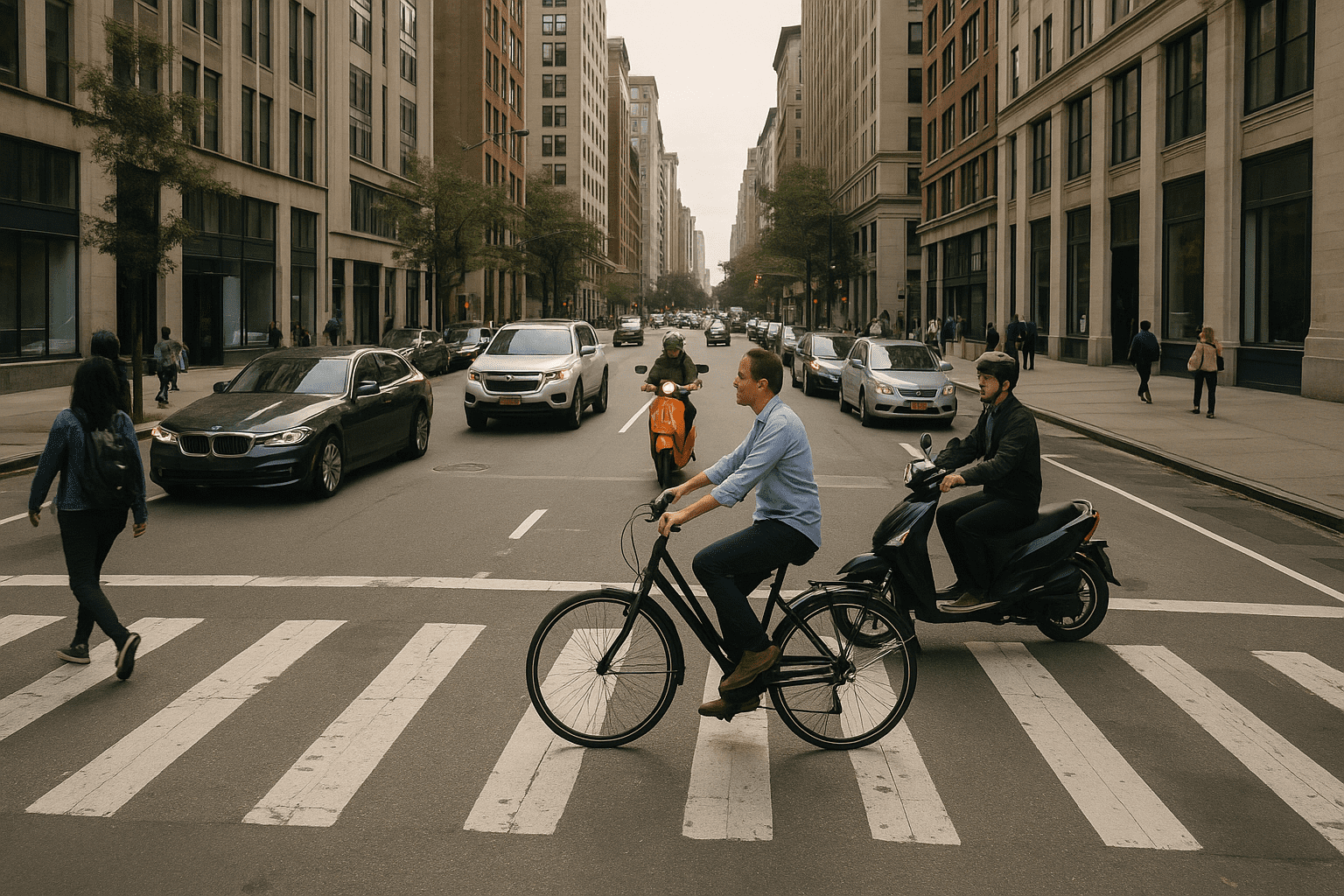
Auto insurers report more claims arising from interactions between traditional vehicles and newer forms like electric scooters, cargo bikes, and rideshare cars. These modes have become fixtures on city streets yet their coexistence creates fresh risk scenarios. For instance, delivery riders weaving through traffic can encounter sudden conflicts, while scooters often share crowded sidewalks or streets with pedestrians and vehicles alike.
More vehicles of different kinds create a more complex traffic tapestry. Insurance claims data echoes this complexity, capturing incidents that go beyond the typical collisions between cars alone. Some metropolitan areas now see notable growth in incidents involving micro-mobility devices, reflecting their rapid adoption and integration into urban transport.
Rhythms of movement adapt to new daily patterns
The COVID-19 pandemic unsettled the typical commute rhythm. Remote work and flexible schedules scattered car trips away from peak hours, altering when and where accidents happen. Insurance claim reports confirm this, showing shifts toward more claims during mid-morning or late evening periods once quieter on roads.
This spreading out of travel activity results in a different mix of pedestrian and vehicle encounters. Drivers and cyclists face unexpected pressure points, where infrastructure and traffic control may not yet align with these new movement patterns. It suggests that risk is no longer tied strictly to rush hours but also to these more diffuse travel rhythms.
New infrastructure shapes risk in unexpected ways
Investments in bike lanes, pedestrian zones, and low-emission areas promote safer urban travel yet create novel interaction points between transport modes. While bike lanes reduce safety risks for cyclists, they often cross vehicle paths at junctions unfamiliar to many drivers. These intersections sometimes see a rise in minor collisions or near misses, reflected in auto insurance claims.
Urban planners increasingly tap claim data to identify hotspots where infrastructure tweaks can improve road sharing. This collaborative approach between insurers and city officials helps target safety investments where they will most effectively reduce incidents amid growing urban mobility diversity.
A changing driver profile adds layers of complexity
Urban travelers today are a diverse bunch. Younger people may prefer scooters and rideshare to owning cars, while older residents stick with familiar vehicles. Gig economy drivers add another dynamic, spending extended hours on city roads with insurance coverage that sometimes does not match their actual risk exposures.
These realities have prompted insurers to rethink traditional underwriting. Tailoring policies to match real-world mobility habits aims to better capture risk and offer fairer pricing. However, this shift requires deeper understanding of how different groups use transportation and when they are most vulnerable.
Technology offers a window into detailed travel behavior
Telematics, GPS tracking, and other smart tech tools provide insurers with richer data on driving behavior and incident causes. Such insights help untangle the complexities behind claims and inform risk models that adjust for an evolving vehicle mix and shifting travel patterns.
However, these data advances raise privacy considerations. Insurers and regulators face the challenge of encouraging innovation and accuracy while respecting users’ rights and maintaining trust. Finding the right balance in this rapidly changing environment is an ongoing part of reshaping urban auto insurance.
Looking at auto insurance claims as a mirror of urban mobility changes reveals that roads are more than routes for vehicles. They are dynamic spaces where technology, policy, lifestyle, and infrastructure interact – sometimes in unpredictable ways. The rise in claims is not a simple sign of deteriorating safety but a reflection of a transportation landscape still adapting to new realities.
For those curious about these trends, the National Highway Traffic Safety Administration provides detailed crash data and analysis. The U.S. Department of Transportation’s Office of Policy offers insights into urban mobility initiatives shaping future transport. Practical safety tips and reports on micro-mobility are available through Consumer Reports.
Understanding what auto claims reveal requires ongoing attention to changing urban mobility patterns, informed dialogue among insurers, policy makers, and the public. It is only through this steady observation that cities can foster safer, more efficient, and more inclusive transportation futures.
Sources and Helpful Links