
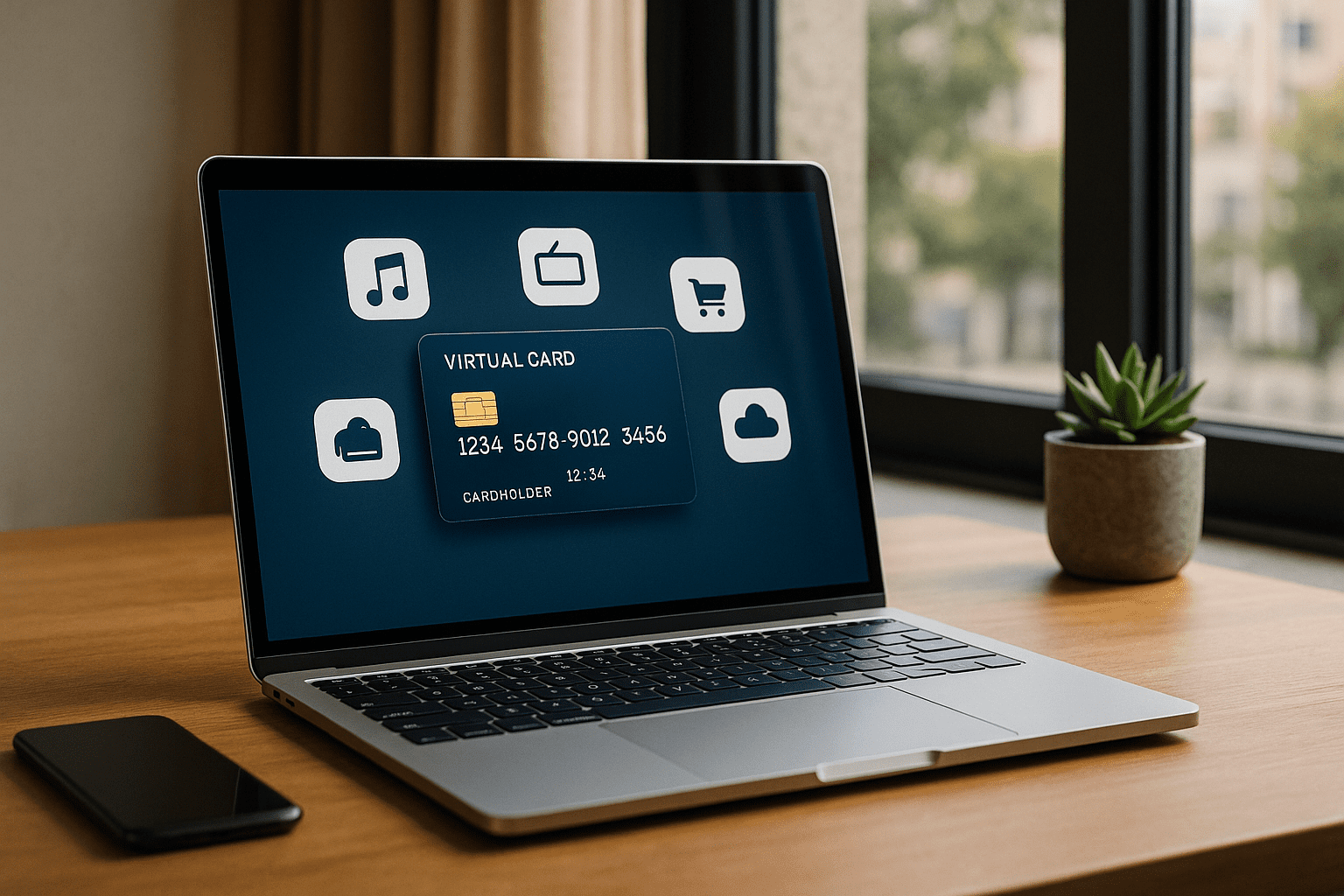
Subscriptions have become a routine part of our digital lives, covering everything from streaming services to monthly software fees. Yet, managing these recurring payments is often a source of frustration. Forgotten cancellations, unexpected price hikes, and security concerns frequently cloud the experience. Virtual card solutions, which create temporary or single-use card numbers linked to a consumer’s actual account, are quietly emerging as a tool well-suited to meet the unique challenges of subscription payments.
Rethinking Subscription Payments Through Virtual Cards
When subscriptions first took off, consumers mostly relied on their regular debit or credit cards. While convenient, many quickly realized the downside. Leaving a card on file with multiple vendors opens the door to potential fraud or unauthorized charges. Card expiry dates change, leading to declined payments and disrupted service. And managing numerous subscriptions in one place is rarely straightforward.
Virtual cards address some of these pain points by generating a unique card number for a specific purpose, merchant, or time period. This number is tied electronically to the user’s actual funding source, effectively masking it from the merchant. Users can thus limit exposure and maintain tighter control over each subscription payment.
This approach feels especially timely as subscription fatigue sets in for many consumers. Services are adding up and wallets are tightening. Thanks to virtual cards, a growing number of people are taming their recurring expenses with tools designed for granular oversight.
More Than Just Security
Much of the conversation about virtual cards revolves around the security advantages. Creating a limited-use card number makes it harder for hackers to steal usable card data. In cases of a security breach, virtual card users often simply deactivate the virtual number, leaving their main account untouched. This containment strategy is far more airtight than disputing charges after the fact.
But virtual cards deliver other advantages that resonate with subscription users. For one, they often allow setting spending limits or expiration dates on the virtual card itself. This means a user can issue a card number that never authorizes charges beyond a certain amount or after a certain date – perfect for a monthly subscription that is expected to end soon.
Some platforms have introduced virtual cards that can be paused or frozen with a click, offering flexibility beyond what traditional cards provide. When a customer wants to take a break from a subscription without formally canceling, this control can be handy.
Business Models Taking Note
Subscriptions are not just a consumer phenomenon. Businesses increasingly use them for software, services, and supplies. This growing segment has caught the attention of both fintech companies and traditional banks, many of which now offer virtual card programs with features tailored to recurring payments.
For businesses, virtual cards reduce reconciliation headaches. Instead of a generic company card with multiple charges to untangle, each subscription can be assigned a unique virtual card number. Accounting teams thus see exactly where money goes at a glance. This can streamline expense tracking, budgeting, and even vendor negotiations.
Several fintech startups have carved niches by focusing on virtual card solutions that integrate with popular subscription management tools. These integrations help provide a seamless experience where subscribers can monitor, manage, and adjust their payments alongside their card controls.
The Challenges Alongside the Benefits
Though the advantages are compelling, virtual card solutions are not a silver bullet. Certain subscription vendors do not accept virtual cards or have payment portals that struggle with nontraditional card numbers. This can require users to maintain at least one standard card on file or deal with occasional glitches.
Another wrinkle is that cancelling a subscription through a virtual card pause or expiration does not always equate to cancelling the service contract itself. Some providers may still attempt to bill or carry obligations beyond the card’s validity. Subscribers need to stay alert and not rely solely on the card controls.
Furthermore, for users without a high level of digital fluency, the additional steps to generate, track, and manage virtual cards can feel cumbersome. While many platforms strive for simplicity, this remains a barrier for broader adoption.
Looking Ahead: A Habit and a Habitual Tool
Virtual cards reflect a broader trend in personal finance toward tools that offer more real-time control and nuance. This evolution is partly a reaction to complexity in everyday money management, which subscription payments have only sharpened.
From the consumer’s viewpoint, virtual cards can become a part of an ongoing habit: assigning a new card for each subscription, periodically reviewing and closing cards, and using card expirations to schedule subscription reviews. Over time, this habit might help curb the out-of-sight, out-of-mind problem many face.
The growing presence of virtual cards in subscription workflows uplifts the entire ecosystem. Consumers benefit from better security and budgeting options. Businesses gain clearer expense insights and billing clarity. Both groups share a path toward smoother, less fraught online payments.
For those managing multiple subscriptions, the nuances of how virtual cards operate and integrate with payment portals deserve attention. Still, as these tools mature and companies respond with more acceptance and tailored features, the quiet rise of virtual card solutions for subscriptions is one of the more interesting, practical changes reshaping the digital payments landscape.
Readers curious about incorporating virtual cards for their subscriptions can explore options offered by major banks and fintech companies, keeping an eye on terms and compatibility. As subscription payments become ever more common, the tools chosen to manage them quietly shape financial habits and experiences in ways only now unfolding.
For more on how virtual cards are impacting payments and subscription services in practical terms, see this overview at Consumer Financial Protection Bureau on virtual card numbers. Another perspective on subscription payment tools integrating with virtual card features can be found at Forbes Advisor on virtual credit cards. Insights into business use of virtual cards and expense management appear in reports at JPMorgan’s commercial cards page.
Sources and Helpful Links