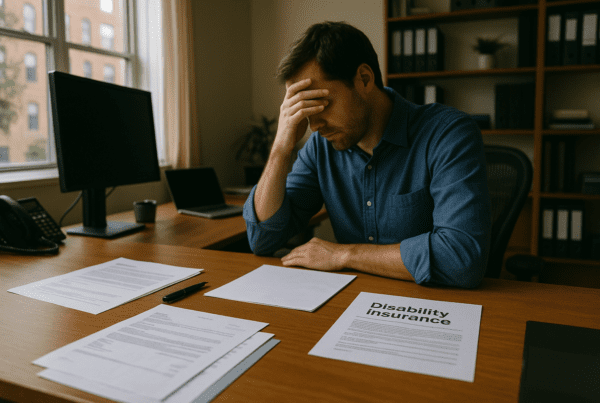

Disability insurance claims continue to climb in recent years, indicating currents under the surface of workforce wellness that extend beyond isolated medical episodes. The increasing frequency of these claims forms a portrait of how employees are wrestling with the intertwined forces of health, work demands, and social context. In this evolving story, disability insurance claims have become a kind of barometer for understanding the pressures shaping workers’ ability to engage fully in their jobs.
The Expanding Reality Behind Disability
Traditionally, disability insurance has been closely associated with physical injuries or illnesses that prevent an individual from performing job duties. Yet the broadening patterns of claims reflect a reality that stretches well beyond physical impairments. Mental health conditions such as depression, anxiety, and stress-related disorders have grown to constitute a substantial share of claims. This shift tracks with both greater recognition of mental health as a legitimate cause of work disability and changes in coverage criteria that now encompass these challenges more explicitly. Organizations like Disability Can Happen explore how these evolving definitions affect employees and insurers alike.
The growing prominence of mental health-related claims also reveals changing societal attitudes that are bringing previously hidden struggles into open view. Where stigma once pushed mental health issues into the shadows, we now see them first reflected in insurance claims data, then in workplace conversations. This natural spotlight encourages reconsideration of what workplace disability truly means in a modern context.
Workplaces as Wellness Influencers
Beyond the individual, the qualities of workplace environments themselves have become central to conversations about disability claims. The distinctions between work hours and personal time are increasingly fluid as technology enables constant connectivity. While this may offer flexibility, it also exposes workers to steady streams of messaging and expectations around availability. Stress and burnout, once anecdotal complaints, have become measurable contributors to disability claims.
Research highlighted by the National Institute of Mental Health illustrates how chronic workplace stress impacts mental health and surfaces as tangible physical symptoms over time, such as weakened immune response or cardiovascular concerns. This convergence of psychological strain and physical health complications can lead to disabling conditions that extend the traditional concept of workplace risks. It invites an examination of how job design, organizational culture, and managerial practices might either alleviate or exacerbate these pressures.
More employers are waking up to how intangible factors like workplace community, recognition, and autonomy feed into overall wellness. Where these are lacking, disability claims may unintentionally reveal underlying systemic problems rather than only personal health failures.
Age and the Length of Work Life
The demographic realities of a workforce that is both aging and staying active longer play a notable role in disability claim trends. As the U.S. Bureau of Labor Statistics points out, more people aged 65 and older are working now than in past decades, motivated by financial needs, evolving attitudes toward retirement, or personal fulfillment. These older workers often carry with them chronic health conditions typical of extended lives. Musculoskeletal problems, slowed recovery times, and cognitive changes add layers of vulnerability that contribute to disability risks.
Still, many older employees persist in demanding roles, including those requiring intense concentration or physical activity. The intersection of age-related changes and job strain can amplify the likelihood of prolonged or recurring disability claims. This demographic trend underlines the growing imperative for employers to adapt workplaces with ergonomic supports, flexible schedules, and health management programs tailored to older workers’ needs.
The Broader Economic Picture
Rising disability claims do not exist in isolation. They have economic and operational implications for organizations and society. For companies, increased claims often translate to higher insurance premiums and the costs associated with managing absences or finding temporary replacements. These financial burdens come alongside subtler effects like lowered morale or diminished productivity when teams are disrupted.
On a grander scale, expanding claims can be a signal of labor force health and economic vitality. Higher rates of disability-related work absences reduce productive capacity and inflate pressures on social programs designed to support those unable to work. Policymakers and business leaders alike watch these trends as indicators of the changing nature of work and health in the economy.
The dynamics surrounding disability claims encourage a nuanced view, considering not just personal health status but also the structures governing work and social safety nets.
Adjusting Strategies for an Evolving Workforce
Employers and employees alike find themselves recalibrating approaches to wellness as disability claims rise. Progressive companies see value in proactive health initiatives that combine mental health support, chronic disease management, and workplace culture improvements. Such programs can create environments where employees maintain wellness, potentially reducing reliance on disability insurance.
Meanwhile, employees have gained stronger tools and resources to assert their health needs without stigma. Disability insurance plays a vital role here, providing necessary protection when health challenges arise. Resources like Disability.gov offer accessible information on navigating benefits, rights, and accommodations, empowering disabled workers in a complex system.
As work itself continues to transform-through technology, demographics, and social expectations-the rise in disability insurance claims remains a key indicator of deeper workforce wellness realities. Understanding these signals can help shape better policies and practices that support sustainable health and productivity for all workers.
Looking Ahead Through the Lens of Wellness
The steady climb of disability claims reflects not only changing definitions of disability but also an evolving workplace that cradles hidden vulnerabilities. Unpacking these increases invites us to rethink health and productivity as interwoven social and economic phenomena.
Such a perspective challenges conventional models by recognizing that wellness is not solely an individual task but a collective responsibility shaped by organizational design, health care access, and cultural attitudes toward work and illness. Disability insurance claims serve as one window into this complex dynamic, shedding light on a workforce navigating new pressures and seeking support in varied forms.
The conversation around disability and wellness may remain unsettled but it is essential. It pushes toward workplaces where the full spectrum of human health is acknowledged and accommodated-a step that may lead to more resilient organizations and more meaningful careers.
Sources and Helpful Links
- Disability Can Happen, an organization dedicated to disability insurance education and awareness
- National Institute of Mental Health, information on stress and its impacts
- U.S. Bureau of Labor Statistics, report on aging workforce trends
- Disability.gov, official guidance on disability benefits and resources