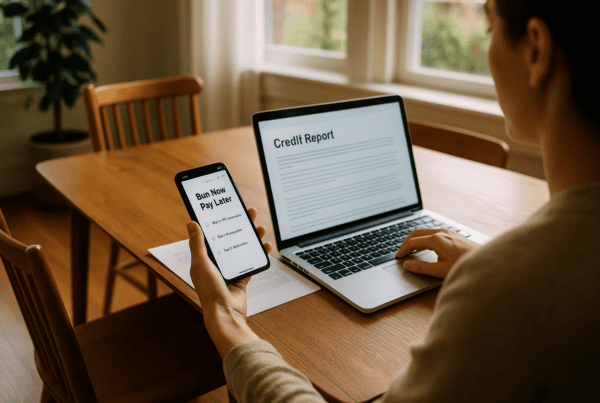

When credit card companies change their late payment rules, the effects on people’s wallets often reveal as much about daily money management as about the policies themselves. These updates go beyond simple shifts in fees or due dates. They quietly influence spending choices, credit scores, and budgeting patterns in ways that unfold over weeks or months.
The subtle rhythms behind adjusting payment habits
Late payment policies usually transform through incremental adjustments such as shorter grace periods, increased fees, or narrower definitions of what counts as late. Most cardholders do not dissect terms and conditions carefully, yet these changes shape their payment behavior. They face a squeeze on time or resources, leading to adjustments that may not feel deliberate but become part of the routine.
Imagine a card issuer cutting the allowed time before marking a payment late. The cushion users once relied on disappears, leaving them with a narrower window to meet deadlines. The shift makes bills more urgent, prompting closer tracking of due dates or potentially moving paydays when possible. Such changes highlight how payment timing, while often automatic, depends on an unseen dance between rules and personal habit.
Managing stress and negotiating small changes
These policy tweaks rarely grab headlines but affect how individuals balance their overall finances. Research from the Consumer Financial Protection Bureau points to widespread misunderstandings about grace periods and the real penalties for late payments. Many do not realize their leeway is thin before fees land or credit scores are impacted.
With tighter rules, the pressure can mount, especially for those depending closely on each paycheck. Yet, instead of abandoning credit cards, people often respond with subtle shifts. They might rearrange payment timing, reduce spending elsewhere, or contact card issuers about alternative plans. This interplay reveals credit use as a negotiated, adaptive process rather than blind rule following.
The balancing act between financial pain and credit health
Beneath these adaptations lies the delicate tension between immediate costs and long-term credit standing. Payment punctuality remains a crucial factor in credit scores, and even one late mark can cause a drop staying visible for months. This reality means some cardholders consciously accept fees over risking a negative credit event, showing how decisions are made through a risk management perspective.
New policies that lessen forgiveness or increase penalties sharpen this tension. Consumers respond by becoming more vigilant with payments, leveraging alerts, or enhancing communication with issuers. These behaviors reflect how credit management strategies deepen in response to rule changes, emphasizing preservation of creditworthiness in everyday finance.
Technology’s evolving role in payment behavior
At the same time, financial technology tools color this landscape. Automated reminders, budgeting apps, and flexible payment methods help turn potentially reactive payment attempts into planned actions. Digital tools often ease the transition when policies shift, softening the impact of new deadlines or fines.
Still, access to these technologies remains uneven. Some communities or income levels lack reliable connections to apps or schedules, relying instead on paper statements or memory. This gap means late payment rule changes tend to affect people differently, with vulnerable groups more exposed to surprise fees or credit damage. It illustrates that financial behavior is deeply linked to available resources and system access.
The quiet ripple effects on daily life and emotions
What start as modest policy changes trigger waves of effect in consumer routines, influencing everything from spending and saving patterns to feelings of stress and control over money. Payment adjustments are tied to the everyday negotiations people make to keep their finances balanced amid shifting rules.
Consumer advocates and financial researchers tracking these patterns observe that households rarely respond in a single way but rather mix timing changes, spending cuts, and lender communications. These responses underline how late payment rules are not just about penalties; they also narrate ongoing interactions within the financial system that shape real life.
For those interested in learning more, the Consumer Financial Protection Bureau provides extensive data and analysis on credit use and late payment impact. Meanwhile, insights from credit reporting services like the Experian Blog illuminate how payment behavior links to credit score changes. Issuers such as Bank of America keep customers informed about updates to cardholder agreements and payment options, helping some adjust effectively.
These resources cast light on why responses to new late payment policies evolve gradually and reveal the layered strategies people use to manage risk, budget constraints, and credit health in a complex financial environment.
Sources and Helpful Links
- Consumer Financial Protection Bureau, insights on consumer credit and payments
- Experian Blog, credit reporting and score management guidance
- Bank of America Credit Card Management, resource for understanding cardholder terms and payment options