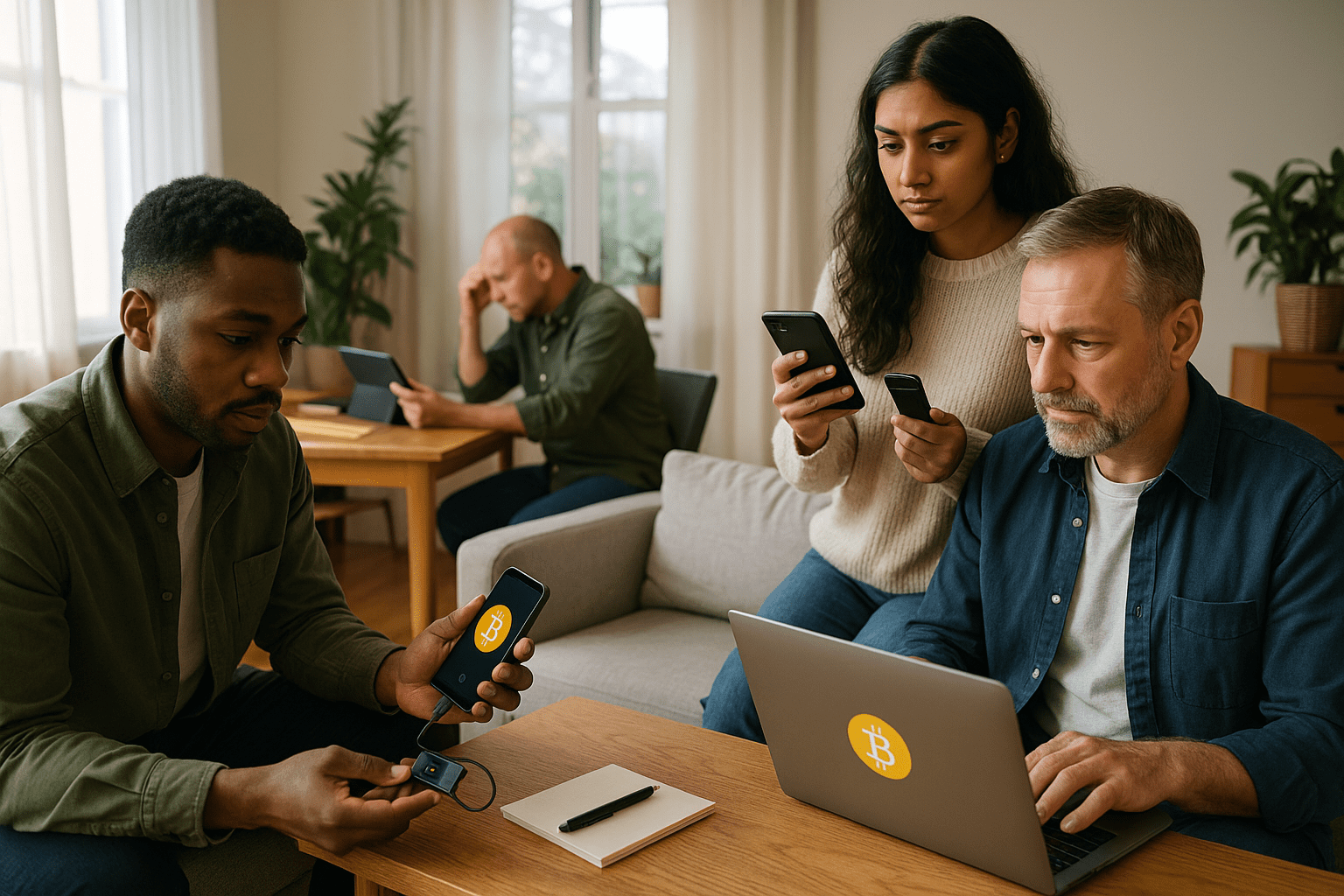
The ways people handle cryptocurrency wallets reveal much about their sense of security and risk. Wallets are the key to access digital money, yet not everyone treats their keys or passphrases with the same vigilance. Observing these differences points to broader trends in how security knowledge or awareness influences behavior.
Some Users Turn to Simplicity at the Expense of Safety
A noticeable pattern is users who keep money in wallets linked directly to exchanges or mobile apps. These wallet types offer ease of access yet often sacrifice control and security. This approach is popular especially among those newer to cryptocurrency or less informed about the risks. Convenience wins out. The willingness to accept tradeoffs for faster transactions and simpler interfaces speaks to an ongoing challenge in crypto adoption: making security feel manageable.
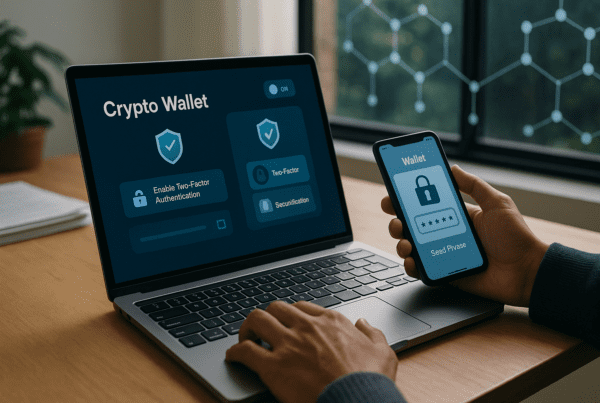
In this group, password reuse happens frequently and two-factor authentication may not be consistently enabled. The temptation to skip these steps is understandable because they add friction to what otherwise feels like an instant process. Missing these protections can expose accounts to hacking and phishing, which remain significant threats in the crypto world.
Common habits include storing private keys or recovery phrases digitally without encryption or using simple passwords that can be easily guessed. These shortcuts put assets at risk but seem necessary for users prioritizing ease or overwhelmed by technical complexity. This group often learns about security only after encountering problems or hearing stories of losses.
More Cautious Users Embrace Complexity and Hardware Solutions
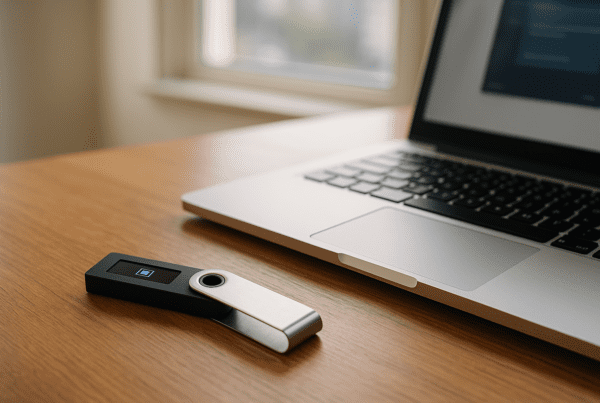
At the other end are users who prefer private keys under their direct control through hardware wallets or cold storage. These individuals invest considerable time understanding seed phrases, offline backups, and manual transaction verification. They employ physical devices designed specifically for secure key storage, which disconnect them from internet exposure.
This group layers protections with passphrase encryption, storing backups separately, and even using multi-signature wallets requiring multiple approvals before any transaction. Their behavior reflects an intense focus on risk avoidance and education. Accepting slower processes and extra steps makes sense here because safeguarding assets is paramount.
Yet this complexity can deter casual users. For many, the culture and technology around hardware wallets feel intimidating or inaccessible. These users often identify as crypto enthusiasts or long-term holders willing to sacrifice convenience for security. This distinction shapes how wallets are marketed and supported in the ecosystem.
Blending Usability and Safety Gains Traction
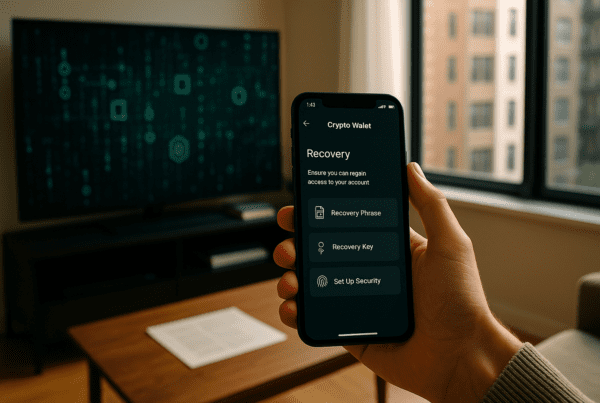
Between these extremes, a middle ground emerges. Wallet providers add security features designed to minimize manual effort or reduce jargon. Biometric login options, hardware-backed key storage embedded in smartphones, and guided recovery steps aim to bridge the gap. These enhancements seek to improve safety without overwhelming users who are still gaining confidence.
Educational efforts, sometimes coordinated by exchanges or community groups, emphasize critical best practices like recognizing phishing, never sharing private keys, and securing seed phrases properly. For example, the Cybersecurity & Infrastructure Security Agency offers guidance to help users stay aware of ongoing threats and habits that reduce exposure.
Research shows cognitive overload at transaction time often causes users to take shortcuts or overlook warnings, so making security seamless is crucial. Design nudges and simpler language help, but human factors continue to shape behavior as much as technology.
How Security Awareness Evolves and Influences Finance Habits
Security knowledge evolves in response to experience. Many wallet users start with convenience and gradually adopt stronger security as they learn about risks or witness misuse. Losses or close calls serve as wake-up calls that prompt changes in habits and wallet management choices.
Long-term investors tend to diversify methods by separating large holdings in cold wallets with extensive protections from smaller amounts in hot wallets for trading or quick use. This strategy balances security against accessibility but requires adequate knowledge to implement.
Less experienced or casual users might keep everything in one place, increasing vulnerability to theft or scams. This situation highlights the importance of education and user-friendly tools to help individuals assess and mitigate risks.
Insights from Real Data About Wallet Use
Blockchain analytics and industry reports shed light on wallet behavior patterns. Large wallets with infrequent transaction activity usually correspond to long-term holders using cold storage. Newly created small wallets and frequent micro-transactions indicate active experimentation or casual trading by less seasoned users.
According to data from Chainalysis, security incidents disproportionately impact users with fewer layers of protection and simpler setups. At the same time, more people are adopting multi-signature wallets, which add complexity but also an additional safeguard requiring multiple approvals to move funds.
These patterns show the interplay between available tools and the human element. Strong wallets and protocols alone cannot prevent risks without informed and conscientious user actions.
Emerging Directions in Wallet Security and Usability
Developers and researchers continue to explore new ways to fuse convenience with protection. Social recovery wallets are one example-allowing trusted contacts to aid asset recovery if keys are lost. Biometric systems and decentralized identifiers might help reduce reliance on seed phrases, which many users find difficult to store securely.
Meanwhile, increasing regulatory interest in wallet standards and custodial services introduces fresh dynamics. Rules designed to improve security and consumer protections might also complicate user choices or raise new operational costs.
Users navigating this ever-changing landscape will find that understanding wallet security not only influences their personal risk but also determines the kinds of wallets and platforms they feel comfortable using.
Ultimately, patterns of cryptocurrency wallet usage reflect a larger narrative about how people engage with digital money and security. They extend from simple, convenient methods to layered, deliberate strategies, mirroring the ongoing maturation of both technology and user awareness in the crypto space.
Sources and Helpful Links
- Cybersecurity & Infrastructure Security Agency phishing awareness tips, practical advice for avoiding common cyber threats
- Chainalysis, blockchain data and reports on wallet usage and security trends
- Federal Trade Commission guide on account security, clear advice on passwords, two-factor authentication, and protecting digital accounts
- CoinDesk explanation of cryptocurrency wallets, overview of wallet types and security implications