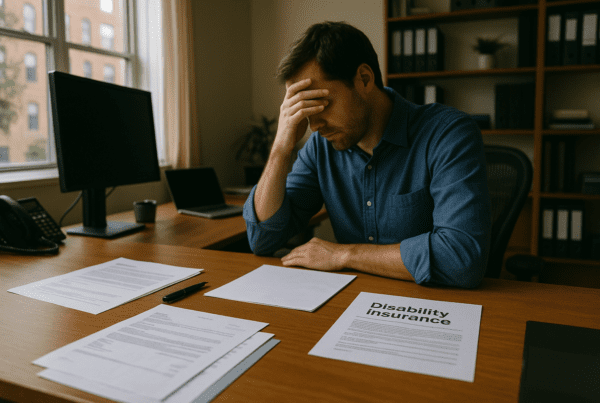

Disability insurance exists to provide income support when injuries or illnesses prevent people from working. Beyond its immediate financial role for claimants, the patterns embedded in disability claims hint at wider labor market dynamics quietly unfolding over years. Watching these signals reveals an often overlooked lens on who works, how they work, and the emerging challenges workplaces face.
Shifting Workforces and the Rise of Physical Strain
Recent data shows rising numbers of disability claims related to musculoskeletal conditions, such as chronic back pain and repetitive strain injuries. This trend reflects long-standing physical demands in sectors like construction, manufacturing, and warehousing. Even as automation changes some tasks, physical labor remains essential and taxing for many workers.
Claims for conditions like carpal tunnel syndrome and tendonitis also point toward the increased repetition and precision required by certain modern roles. Whether it’s factory assembly line tasks or constant typing, these injuries reveal the cost of specific job routines. The persistence and growth of such claims may indicate ongoing labor patterns where physical strain remains a daily reality, even as some industries shift to technology-driven processes.
Understanding these conditions’ prevalence helps employers and policymakers consider workplace design, ergonomic support, and preventive health strategies. Disability insurance claim trends here serve as early warning signs about the toll that certain labor environments take over time.
Mental Health’s Emerging Role in Disability Patterns
The growing share of disability claims related to mental health conditions, including anxiety, depression, and burnout, reflects profound shifts in workplace expectations and societal awareness. Historically underdiagnosed or stigmatized, mental health now commands greater recognition within disability insurance data.
This rise stems from multiple intertwined factors. Labor market changes demanding constant connectivity and rapid responsiveness can elevate stress. Job insecurity, shrinking work-life boundaries, and the ever-present pressure to upskill add layers of strain. Employers are witnessing how these pressures increasingly translate into legitimate disability claims.
These mental health-related claims emphasize that labor market shifts are not just physical but deeply psychological. Broader conversations about workplace well-being connect directly with disability insurance patterns, making this not only a health topic but a workforce sustainability issue.
Age, Chronic Conditions, and Longevity on the Job
The workforce is aging, and disability insurance claim patterns reflect this demographic reality. Claims related to chronic diseases such as diabetes, cardiovascular problems, and arthritis are more frequent now than in previous decades. This increase aligns with older workers staying on longer, as economic pressures, retirement policy shifts, and personal choice keep people employed later.
This evolving age profile affects how jobs are structured and valued. Older workers may face extended recovery times or require accommodations, challenges that ripple through disability claim timing and types. Disability insurance data thus offers real-time feedback on how labor market lifecycles stretch and strain under new demographic expectations.
Such insights suggest that changes in retirement trends and healthcare management may shape not only individual work experiences but also employer strategies and insurance underwriting standards.
What Claim Duration and Return-to-Work Rates Reveal
Beyond why claims occur, the length of disability claims and success rates for returning to work illuminate economic and organizational factors. For instance, extended claims can indicate complex illnesses, insufficient workplace support, or mismatched job roles.
Return-to-work programs and flexible accommodations have gained more attention as strategies to reduce claim durations and support workers safely rejoining employment. Disability claim data showing shorter durations in certain industries may reflect more effective employer interventions or standardized policies facilitating reintegration.
Conversely, long durations or permanent disabilities hint at entrenched barriers. These might be medical, but equally, economic or managerial challenges. Observing these duration patterns across sectors can highlight labor market segments struggling more to maintain productive engagement.
Pandemic Reverberations and Disability Claim Patterns
The COVID-19 pandemic introduced profound disturbances visible even within disability insurance claims. Infectious disease claims spiked temporarily with direct illnesses sidelining workers. However, subtler effects emerged too, such as increased claims for mental health issues and chronic fatigue conditions.
Pandemic-era remote work blurred boundaries between personal and professional spaces, potentially accelerating reports of stress or burnout, now reflected in claims data. Employers adapting to these shifts have had varying degrees of success easing reentry into work and supporting ongoing disabilities.
These patterns suggest that sudden labor market shocks leave lasting traces in disability insurance. They underline the importance of flexible insurance design and employer practices that can respond to evolving worker health profiles and workplace realities.
Understanding these intertwined trends calls for looking beyond macroeconomic headlines into granular disability data. For workers, recognizing these forces clarifies some of the ongoing pressures impacting job stability and health. For employers and insurers, these trends offer a strategic pulse check, framing both the challenges and opportunities in workforce management and health planning over time.
Reports from government organizations like the Department of Labor’s Division of Federal Employees’ Compensation and analyses from groups such as the National Federation of Independent Business add layers of data confirming these observable shifts.
Both data and experience confirm that disability insurance claims are more than individual stories of misfortune. Collectively, they sketch a changing labor landscape shaped by aging populations, new workplace pressures, health challenges, and economic adaptation. Watching these patterns offers a grounded, nuanced view of how work itself continues to transform in the background of everyday economic life.
As employers balance productivity and care, and as workers navigate uncertain conditions, disability insurance claims quietly document some of the most significant labor market changes unfolding right now.
For readers interested in the deep connection between worker health and labor forces, diving into these claim trends provides insights that traditional economic data alone might miss. They remind us that behind broad statistics are human experiences shaped by the evolving nature of work.
Observing disability insurance patterns thus becomes an essential part of understanding labor market resilience, vulnerabilities, and future directions, offering a rare blend of financial, medical, and social perspectives carved out from everyday realities.
Sources and Helpful Links
- Department of Labor’s Disability Statistics, federal data on disability insurance claims and workforce impact
- National Federation of Independent Business on Disability Trends, analysis of labor market shifts and disability claims
- Social Security Disability Insurance Overview, information on government disability benefits and claim processes