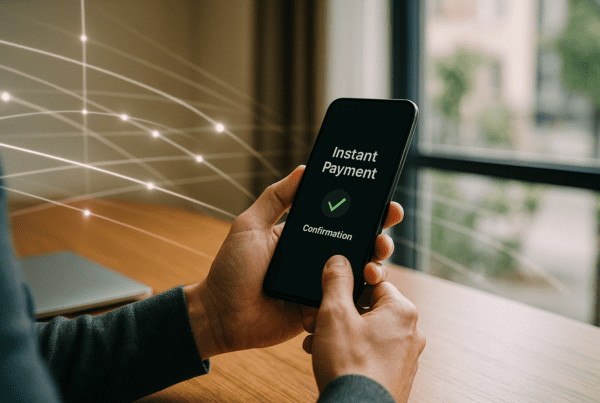
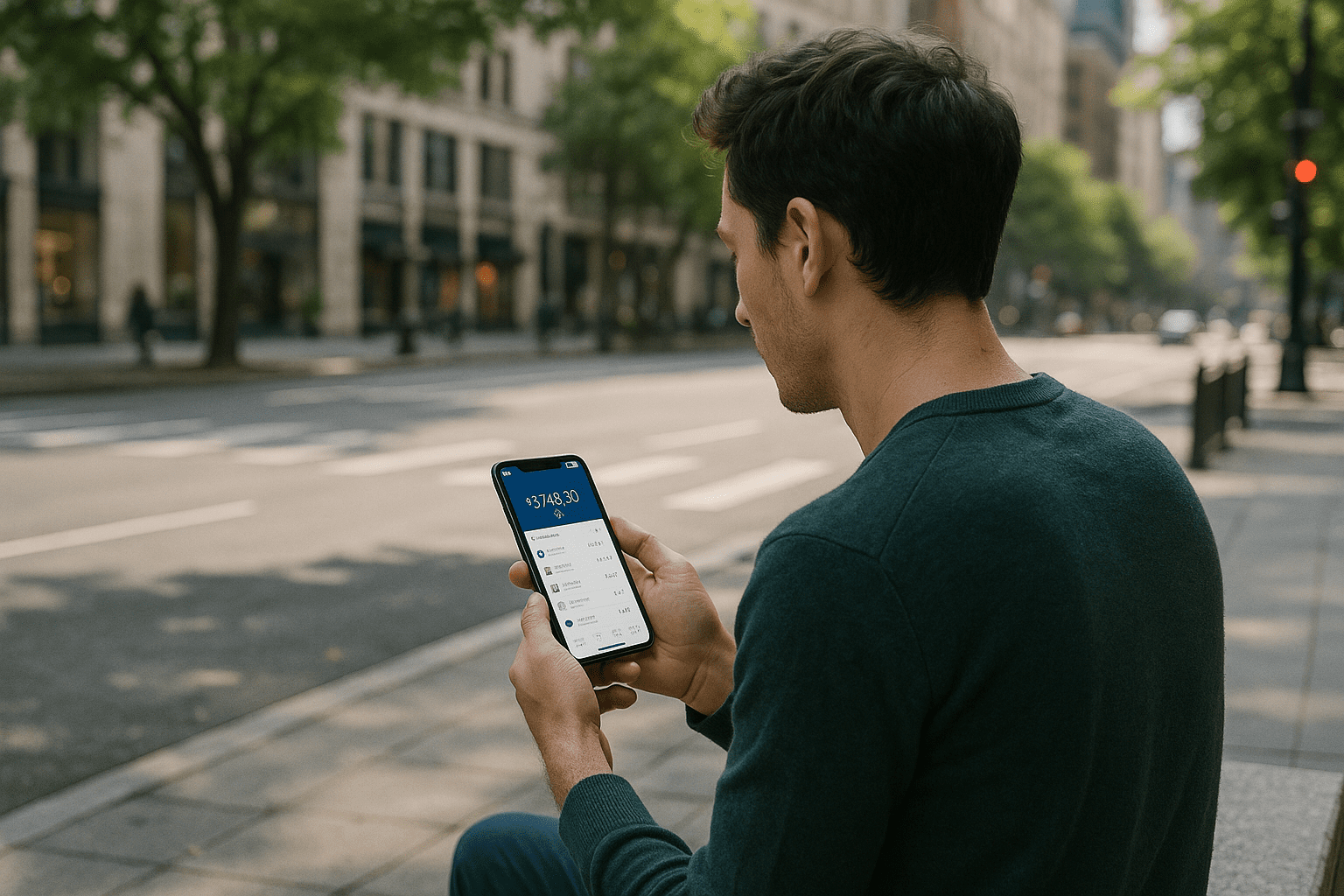
The rise of digital banking quietly transformed how people handle money, embedding itself into daily life more seamlessly than cash or traditional branches ever did. The convenience of instant access through phones and computers means people no longer rely on monthly statements or waiting in lines to get a picture of their finances. This subtle integration shapes not only when and how people check accounts but also influences spending, saving, and the way they think about money overall.
A constant pulse of financial awareness
Real-time alerts and notifications are among the key breakthroughs driving changes in money habits. A small ping on a phone when a payment is due or a purchase posts now interrupts the usual background hum of financial life. Customers experience a continuous thread connecting their decisions rather than periodic check-ins that often happened after bills arrived in mail or fees appeared.
These reminders prompt people to interact more frequently with their accounts. They might pause before making another purchase to confirm available funds or quickly transfer money to avoid overdrafts. This ongoing engagement creates a richer picture of cash flow and spending trends than monthly reviews could provide. Such immediate feedback helps prevent surprises and keeps finances front of mind in ways that traditional banking rarely did.
Beyond simple alerts, many digital banks and fintech apps analyze and categorize spending automatically. Transactions sorted into restaurants, groceries, or utilities provide a clearer view of where money goes. This categorization nudges users to re-examine ingrained habits – a subtle but effective means of encouraging reflection on everyday expenses without requiring tedious manual tracking or logging.
Budgeting becomes more dynamic than ever
Incorporating budgeting tools into banking apps turns what used to be a cumbersome task into an ongoing conversation with money. Instead of rigid spreadsheets or difficult estimates, digital budgets invite experimentation. People can adjust spending goals or savings targets easily as their circumstances shift, treating budgeting less like a chore and more like a personal assistant adapting in real time.
Visual features, such as progress bars or pie charts breaking down where funds are allocated, make financial goals feel tangible and immediate. Gamified elements, like notifications celebrating milestones or reminding users of deadlines, add a quiet motivational push. These features break down savings into manageable steps or cap spending on certain categories, encouraging more intentional decisions.
Many digital banks offer sub-accounts or “buckets” which let users earmark money for specific purposes like emergencies, travel, or large purchases. This structure reinforces the connection between everyday transactions and broader financial goals. The visibility of these buckets can make saving less abstract and more integrated with daily money decisions.
Payments that reshape mental accounting
Contactless and mobile payments simplify spending by minimizing friction compared to cash or traditional card swipes. Tapping a phone or watch speeds up transactions, but can also disrupt the usual mental tally of money leaving a person’s wallet. Some behavioral research highlights that digital or card payments feel less real than cash, often leading to higher spending.
However, the transparency offered by immediate transaction notifications balances this effect. Seeing payments surface momentarily after a purchase can spur reflection, prompting users to stay more aware of spending despite the ease of payment. This dual effect of convenience and visibility shapes a new kind of financial awareness.
Advances that integrate banking with budgeting or spending tracker apps help tie purchases directly to personal goals. Though not universal yet, this integration offers a more holistic view that merges daily spending with long-range planning. Rather than isolated transactions, money management becomes a continuous, interconnected experience for many users.
Trust and caution in a data-rich world
The myriad features that make digital banking attractive also bring complex questions about data privacy and trust. Users often trade privacy for convenience, sharing detailed spending habits and personal information to unlock tailored insights and services. Yet this relationship is not without unease.
Some customers embrace tools that analyze behavior and offer personalized financial advice or alerts. Others remain cautious, concerned about data misuse or the unclear role of algorithms and third parties. Banking institutions and fintech companies face a growing responsibility to be transparent and protect user data to maintain confidence.
Regulatory bodies such as the Consumer Financial Protection Bureau in the U.S. increasingly provide guidance aimed at balancing innovation with security and consumer rights. This evolving landscape means that digital banking is as much about the character of trust users place in their providers as it is about features on their apps.
The gradual evolution of financial habits
Examining digital banking’s footprint reveals a gentle but persistent shift in how people relate to money. By shrinking the space between decisions and consequences, these tools promote more engaged and informed financial behavior. They foster transparent, ongoing conversations with money rather than episodic checkups or surprises.
This change is not an instant fix. Real-world money management still hinges on income, financial knowledge, and discipline. Digital banking reshapes the environment around money decisions, often seeding small behavioral adjustments that may add up over time.
Observing how different demographics and user types respond to these tools shows a blend of empowerment, skepticism, and adaptation. No single feature defines the future, but together they push money management toward greater integration into everyday life.
For those curious about the specific ways digital banking influences finances, the Consumer Financial Protection Bureau offers a comprehensive look at digital payments and consumer protections. Meanwhile, sites like Investopedia provide useful explanations of budgeting apps and how they intersect with behavior. The Federal Trade Commission shares important guidance on privacy rights relevant to digital banking users.
Sources and Helpful Links
- Consumer Financial Protection Bureau on Digital Payments, comprehensive resource on digital banking protections and issues
- Investopedia on Budgeting Apps, explanation of digital tools for personal budgets
- Federal Trade Commission Privacy Rights, insights into consumer privacy and data security in finance