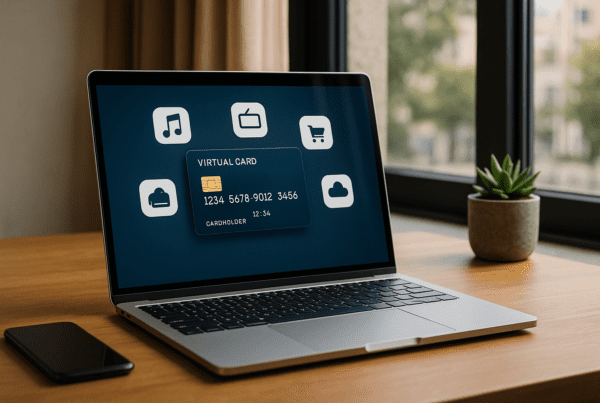

The quiet transformation of virtual cards from a novelty to a practical tool often goes unnoticed, but looking at how people actually use them tells a story about shifting financial habits. From their early days attracting digital enthusiasts to gaining broader appeal, virtual cards have come into a space where security concerns meet the needs of convenience and spending oversight.
Widening appeal beyond the early adopters
When virtual cards first entered the payment scene, they mainly captured the interest of tech-savvy consumers eager to experiment with fresh ways to pay. Over time, this group has expanded significantly. Reports from payment companies such as Mastercard show a steady climb in virtual card issuance as both banks and fintechs integrate these cards more widely. The change is not just about volume; it signals a deeper shift in consumer expectations from payment instruments.
Rather than simply reacting to fears over data security, many users now appreciate virtual cards for their flexibility and control. The ability to generate numbers for one-time or limited use aligns well with a marketplace crowded with subscription services and digital purchases that benefit from tighter spending boundaries.
Security remains a top draw, but convenience locks in usage
Surveys and transaction data show consumers initially reach for virtual cards out of concern for online fraud. By masking the real account details, virtual cards provide a buffer against the risks of data breaches or unauthorized transactions. The Consumer Financial Protection Bureau highlights that worries about fraud strongly predict virtual card adoption.
However, security alone does not explain why users persist in using virtual cards over the long term. Many embrace the convenience of these cards for organizing spending streams like subscriptions or smaller regular payments. The ability to set spending caps directly on virtual cards also offers informal budgeting tools embedded in everyday transactions. This feature seems especially appealing for those juggling multiple recurring charges.
Patterns of usage highlight recurring and low-dollar spending
Data indicate virtual cards often serve best in managing small but recurring payments. Streaming subscriptions, software services, and digital marketplace purchases dominate the transaction types charged through these cards. This approach effectively separates ongoing commitments from main account activity, making it easier to monitor, pause, or end subscriptions without disturbing other finances.
Financial technology providers note users value the speed and control of instant virtual card issuance. Unlike waiting for a physical card or having to call customer service to replace a compromised card, users can create and discard virtual numbers quickly. This flexibility is handy during trial subscriptions or when managing a growing portfolio of online services.
Friction points remain and expectations grow
Despite growing enthusiasm, users still encounter obstacles. Sometimes the rules around virtual card expiration or renewal are confusing, resulting in declined transactions or the hassle of reissuing numbers. Not all merchants or payment systems accept virtual cards yet, which can lead to frustration especially in less common or smaller vendors. Integration with mobile wallets and popular payment platforms is improving but remains imperfect.
Emerging insights suggest consumers increasingly want virtual cards to connect more deeply with their overall financial planning and budget tracking. Having a unified view that integrates virtual card spending with other accounts and expense tools could be a natural evolution. Providers who bridge this gap may foster stronger customer loyalty.
A glance into evolving consumer attitudes and features on the rise
Younger consumers with digital-first habits often express openness to adopting virtual cards, even if they previously had limited spending history or credit engagement. The attraction lies in instant issuance, flexible budgeting controls, and clear, real-time transaction feedback. On the business side, virtual cards are gaining footholds for expense management, which indirectly encourages familiarity among employees who then bring those experiences to personal finance choices.
One noteworthy trend is the demand for instant transaction alerts and detailed payment breakdowns. This transparency, combined with the ability to freeze or cancel virtual cards on demand without support calls, matches shifting expectations for control and oversight. Such responsiveness could define how consumers value virtual cards moving forward.
Considering these data-driven patterns, virtual cards are less of an emerging payment novelty and more a reflection of how people want to organize financial flows in an increasingly digital and subscription-driven economy. Their growth suggests a blend of practical concerns and evolving financial management styles that may shape payment technologies in years ahead.
Sources and Helpful Links
- Mastercard Press Releases, official news on virtual card adoption and payment innovations
- Consumer Financial Protection Bureau (CFPB) Insights on Virtual Cards, studies and consumer behavior analysis
- Payments Dive: Virtual Card Usage Trends, trade publication reporting on payment market developments