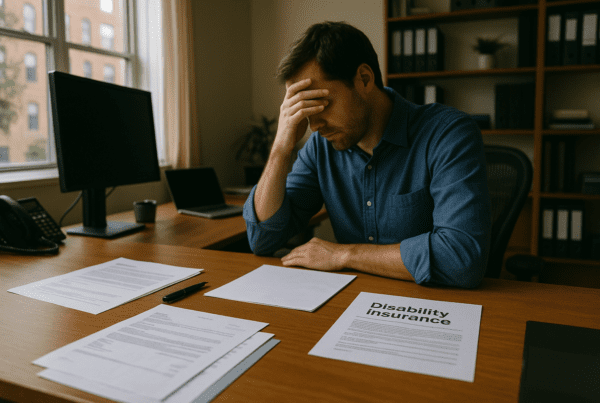

Over the last several years, an ongoing rise in disability insurance claims has attracted close attention from employers, insurers, and workers alike. These claims offer more than a financial snapshot for insurance firms. They open a window onto evolving health realities affecting workers across sectors. In subtle ways, the environment of work and the health challenges people face during their careers have shifted, sending ripples through workplace culture and the broader economy.
Numbers Quietly Revealing Bigger Stories
When companies report increasing claims on disability policies, immediate questions follow. Is the workforce facing greater illness or injury? Have workplace conditions deteriorated? Could improvements in awareness or procedural changes in claims be influencing these trends? Without context, statistics risk being misunderstood. But a deeper look at the data exposes a pattern of work adapting alongside public health and economic shifts.
Studies and industry reports, such as those from the Disability Can Happen Foundation, highlight a decade of rising claims. Three main reasons repeatedly surface: mental health conditions, musculoskeletal problems, and long-term chronic illnesses. These causes are not new, yet their increasing prominence speaks to mounting pressures intertwined with both professional and personal life.
A Closer Look at Workforce Health Shifts
Mental health’s growing role in disability claims signals noteworthy evolution. Conditions such as depression, anxiety, and stress-related disorders now account for a larger share of disability cases compared to prior decades. This growth coincides with a broader societal willingness to acknowledge and discuss mental health openly but also points directly to greater stressors present in many workplaces.
Feedback from employees worldwide often mentions a sense of overwhelm fueled by non-stop connectivity, escalating productivity expectations, and the uncertainty from economic changes. The American Psychological Association has documented workplace stress as an urgent health concern that impacts both mental well-being and productivity. It also becomes clear how emotional strain and physical health issues can compound one another, making recovery and stability more difficult.
Musculoskeletal ailments remain a significant factor in disability claims, underscoring the physical toll of jobs involving repetitive tasks, prolonged sitting, or manual labor. The shift toward technology has modified the workplace physically, increasing screen time yet creating ergonomic concerns that employers are grappling with. These physical challenges alongside mental strain create a multifaceted portrait of the modern workforce’s health.
Long-term chronic illnesses, including diabetes, heart conditions, and respiratory diseases, continue to be common reasons for disability claims. As the workforce ages and medical advances extend working life, these conditions surface more often. Workers managing chronic diseases while remaining employed face fluctuating health episodes that disability insurance may help cover during difficult times.
How Economics and Society Shape Disability Patterns
Economic cycles influence patterns too. During downturns, individuals might postpone disability claims, deciding they can manage, yet file when conditions stabilize and financial pressures ease. Another consideration is demographic change. An aging workforce delaying retirement means that more people with chronic ailments such as diabetes and heart complications remain employed longer, increasing the likelihood of disability claims.
The pandemic changed much about work and health. COVID-19’s immediate health impacts and lingering effects such as long COVID introduced new categories of disability risk. Workers experiencing prolonged symptoms affecting concentration, stamina, or physical ability have expanded the lines of what disability insurance must cover and how workplace accommodations are managed.
Alongside these health and economic elements, shifting social attitudes and policy adjustments affect claim behavior. Greater transparency about health challenges encourages earlier and more frequent claims. Insurers respond by revising coverage rules, adjusting benefit limits, and offering enhanced support services to meet these evolving demands.
Challenges and Changes for Employers and Workers
For employers, rising claims translate to more than just heavier costs. They prompt rethinking workplace health strategies, from mental health programs to ergonomics and chronic illness management. More companies invest proactively in employee support, recognizing that preventing disability starts long before a claim is filed.
Workers face their own complex realities navigating when and how to claim disability benefits. The process often requires careful documentation, managing waiting periods, and weighing financial repercussions. The rise in claims signals a growing need for clearer information and support systems tailored to individual circumstances.
The relationship among insurers, employers, and employees is evolving as each group adjusts to emerging trends and challenges. Disability insurance sits at the intersection of health, work, and financial security, reflecting broader societal shifts. Paying close attention to claims data helps illuminate these trends and shows where work environments and policy might better align with human realities.
New workplace models add nuance as well. Remote and hybrid work can reduce some physical risks but also introduce challenges like isolation and blurred boundaries between work and personal time. These factors influence mental health and musculoskeletal conditions in ways still being understood.
Looking forward, data-driven approaches and employee feedback loops are becoming common tools to address the complex nature of workforce health. Employers increasingly recognize that supporting well-being comprehensively involves culture, benefits, and everyday work design.
For anyone observing changes in workforce health, the upward trend in disability claims stands as an important indication. It reminds us how job demands, health concerns, and social factors are deeply intertwined, and how seemingly small shifts can ripple widely, influencing workplaces and economic structures.
Keeping watch on policy changes, healthcare developments, and cultural attitudes toward well-being remains vital. Disability insurance will continue to be a lens through which the evolving nature of work and its challenges reveal themselves over time.
For a wide-ranging look at disability claims trends and industry perspectives, the Social Security Administration offers detailed data on disability benefits and claims that also shape private sector practices.
Ultimately, rising disability insurance claims are more than just figures. They mirror real struggles and provide signals about where workplaces and systems might improve support and resilience for workers in the years to come.
Sources and Helpful Links
- Disability Can Happen Foundation, research and data on disability insurance claims
- American Psychological Association, insights on workplace stress and mental health
- Social Security Administration, information on disability benefits and claims