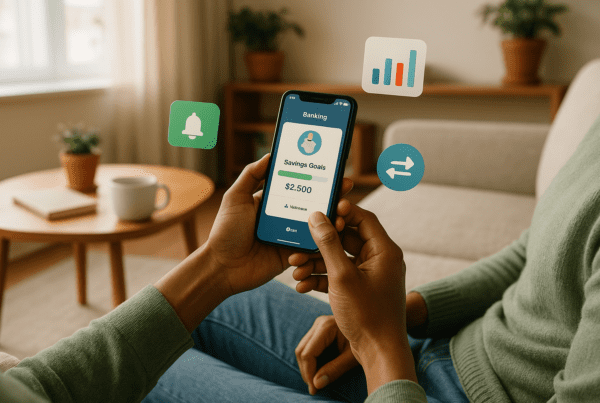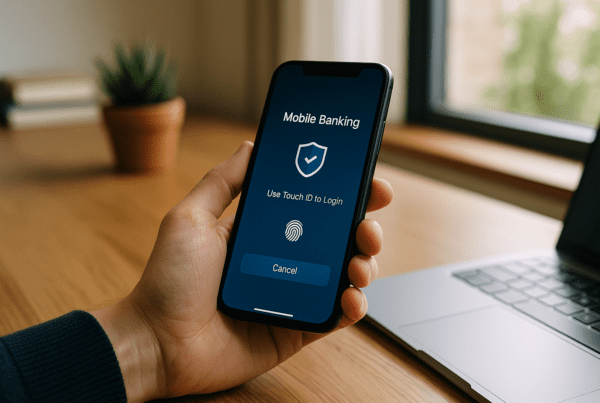

The smartphone screen has become a gateway to managing money, but who taps it most eagerly varies across the years. Mobile banking grew steadily over the past decade, reshaping how people check balances, pay bills, and move funds. Still, behind this tech surge lie notable differences by age that speak volumes about the financial landscape.
Older Generations and Their Hesitation
Though no age group is untouched by mobile banking’s spread, those in older brackets often adopt the technology more slowly. For many seniors, the banking app experience can feel unfamiliar or even risky. Security worries hover near the surface, not without reason given stories of fraud targeting vulnerable users. This cohort might also have long-standing habits tied to physical bank branches, paper statements, and direct human contact.
Surveys show that while mobile access grows among older adults, a sizable portion still prefers desktop banking or phone calls to apps. This preference is also linked to perceptions of complexity. An app with multiple menus and features may overwhelm users who did not grow up digital. The design and flow of mobile interfaces, therefore, encounter a barrier not only technical but psychological too.
Additionally, older adults often face practical challenges such as reduced vision or diminished dexterity, complicating touchscreen navigation. These factors shape a cautious approach, even when banks promote streamlined mobile experiences. Still, that caution highlights a real tension between convenience and comfort with technology.
Young Adults Leading Fast Adoption
In contrast, younger adults-often termed digital natives-don’t just accept mobile banking, they expect it. For millennials and Gen Z, smartphones are primary tools for interaction, social life, and commerce. Banking that requires physical steps or switching devices seems inconvenient. Embracing mobile apps is a way to embed financial management into everyday digital routines.
This age group is more likely to use advanced app features such as budgeting tools, mobile deposits, and peer payments. The rise of services like Venmo and Zelle alongside traditional banking apps reflects their preference for speed and seamless integration. The relatively high comfort with digital security practices also lowers resistance.
However, it is not uniform enthusiasm. Even among younger users, financial literacy and trust in institutions vary. Not everyone dives into complex app functions, and some are cautious about data privacy. This reveals the interplay between generational comfort and the broader landscape of trust in technology.
The Middle Ground of Generation X
Sitting between these extremes, Generation X often embodies a bridge. Many in this group adopted mobile banking after initial exposure as smartphone ubiquity increased. Their usage rates often mirror a blend of convenience-driven adoption with a lingering preference for some traditional methods.
For Generation X, mobile banking can be a practical necessity due to busy schedules balancing careers, households, and financial responsibilities. Yet they also display selective use of features, emphasizing reliability and clarity over bells and whistles. This demographic often serves as a useful barometer for how mobile banking integrates with life complexities beyond youthful experimentation or cautious retirement.
Why These Differences Matter Beyond Technology Use
The varying pace of mobile banking adoption holds significance beyond who uses which app. It reflects deeper themes of financial inclusion and the evolving nature of money management. When older adults hesitate or cannot navigate mobile banking easily, they risk being left behind as physical bank services contract in some areas. This can mean reduced access to essential financial tools or increased reliance on costlier alternatives.
For younger generations, reliance on mobile platforms shapes expectations around what financial services should deliver. Speed, transparency, and user-friendly design become central. This evolution pushes banks to innovate while also considering how to maintain trust and security in a digital-first age.
Moreover, understanding these age differences helps regulators and policymakers focus efforts on bridging gaps. Educational programs tailored to specific groups or usability improvements aimed at accessibility can reduce friction and extend the benefits of mobile banking more broadly.
Looking at Money Through a Generational Lens
Mobile banking is a window into how each generation interacts with money in the digital era. The caution of older adults reminds us that technology adoption is not effortless or universal. The enthusiasm of younger users highlights a shift toward integrated, always-on financial awareness. And the mix found in middle demographics points to complex tradeoffs between new tools and familiar habits.
By observing these patterns clearly, everyone from financial institutions to consumers gains insight into how money’s movement adapts to modern life. The generational differences in mobile banking adoption are not just statistics but markers of changing relationships with finance itself.
As banks continue to reshape services, understanding these human factors will remain crucial. It is less about who is ahead or behind and more about recognizing that adopting new financial technology moves at the pace of lived experience and trust. Observation over time may reveal how these divides narrow or persist, shaping the future of personal finance for all ages.
Meanwhile, those interested in the trends around mobile banking can explore regular data from sources like the Federal Reserve on household finance or industry studies by Juniper Research on fintech adoption. Their insights add detail to what adoption rates mean in terms of economic inclusion and digital habits.
Observing mobile banking use opens a gentle window into broader financial behavior. It reminds us that technology’s reach intersects deeply with everyday life, comfort, and trust. Each tap on a screen signals much more than a transaction; it carries the weight of changing financial lives.
Sources and Helpful Links
- Federal Reserve Survey on Economic Well-Being, official data on household financial status and technology use
- Juniper Research Fintech Adoption Report, analysis of global trends in financial technology usage
- Consumer Financial Protection Bureau on Mobile Banking, guidance and insights on mobile banking access and risks