The world of cryptocurrency wallet usage is quietly changing. Beneath the usual buzz about price swings and new coins, a subtler shift has emerged in how people manage and protect their digital assets. These evolving patterns hint at a growing awareness of security risks, but also reveal ongoing tradeoffs that users and developers face as security priorities intersect with convenience and accessibility.
Where Users Are Putting Their Trust Now
Early on, many crypto wallets attracted enthusiasts keen on quick setup and easy access. Mobile apps and browser extensions, for instance, made interacting with decentralized finance and NFTs feel immediate and approachable. Yet, these options often came with vulnerabilities that savvy users learned about the hard way. Hacks and exploits targeting hot wallets-that is, wallets connected to the internet-have repeatedly underscored the need for stronger protections.
When you look at current usage data, there’s evidence that many wallet holders are diversifying their approach. Hardware wallets, once niche gadgets that stored private keys offline, have become more mainstream. This suggests users are willing to adopt additional steps when security stakes feel higher or when holdings grow more valuable. Yet, the pace is uneven. While some are upgrading to hardware devices, others continue relying on custodial wallets where private keys are managed by third parties, despite the risks of centralized points of failure.
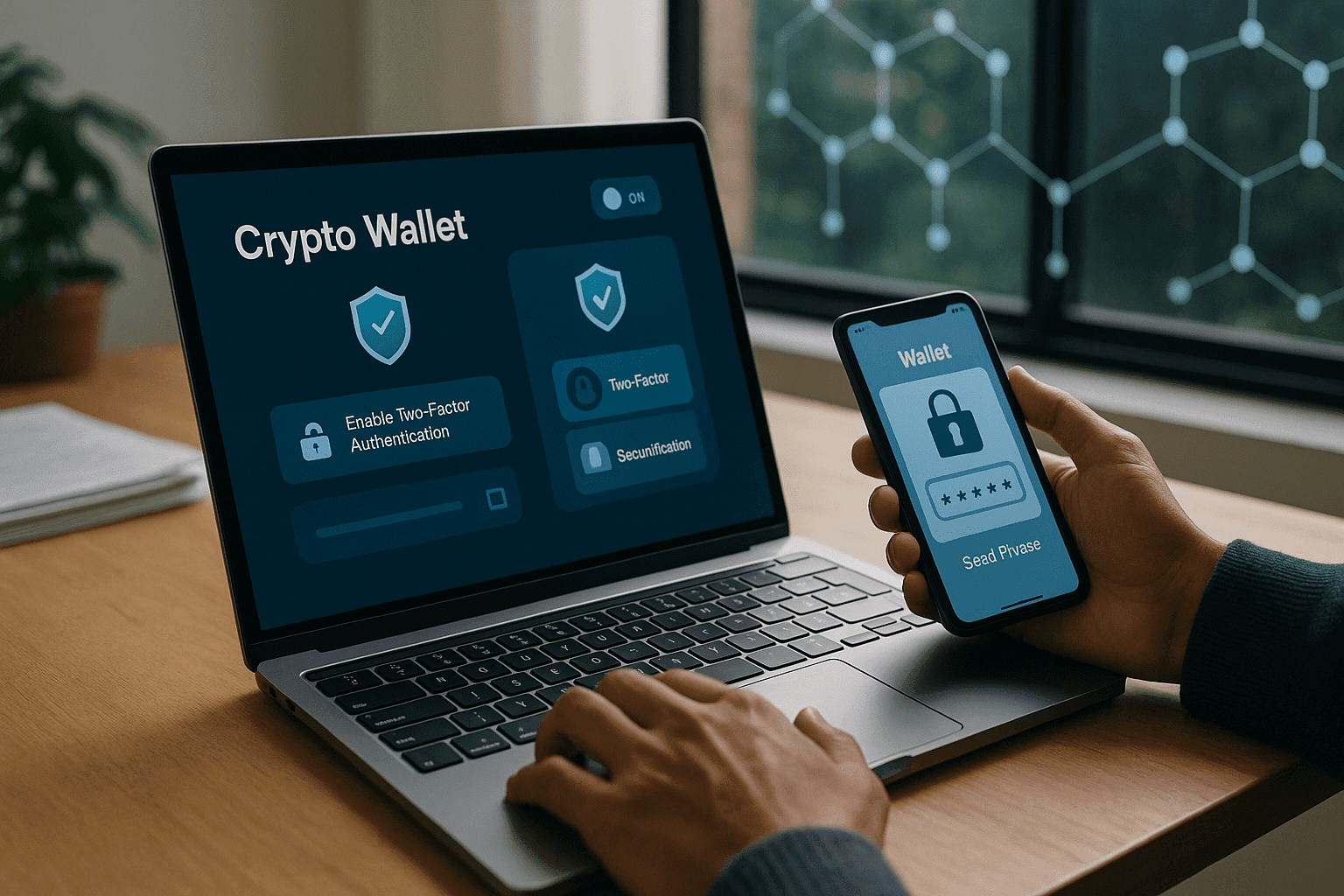
This divide reflects a broader tension. Convenience and usability often win out in daily habits. For instance, a trade off appears in choices between multi-factor authentication methods and single-password setups. Where complex, multi-step security protocols might deter casual users, simpler options often leave wallets more exposed. The industry and user base seem caught at this crossroads, learning slowly that convenience cannot completely substitute for vigilant security behavior.
Signs of an Evolving User Security Culture
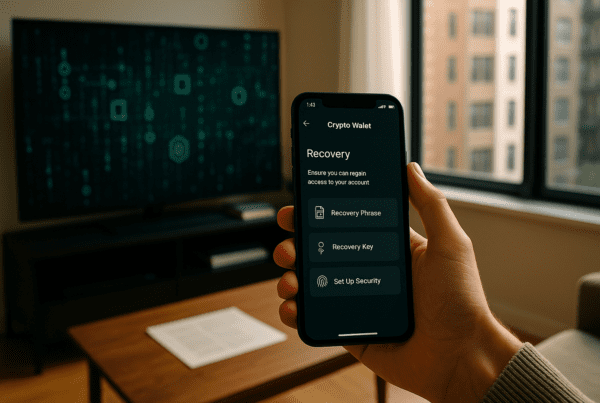
The past few years have seen significant investments in wallet designs that nudge people toward better security without feeling cumbersome. Some wallets now offer built-in reminders or automated backups of recovery phrases. Others integrate biometric authentication or hardware security modules seamlessly. These changes suggest recognition that security awareness must be embedded into daily experiences rather than tacked on as an afterthought.
There’s also growing discussion about how social engineering attacks shape wallet security culture. Phishing schemes and scams have matured, targeting users’ trust and technical literacy rather than solely relying on brute force hacking. This has led to new forms of user education, often shared through crypto communities online, where people swap warnings about recent fraud tactics or share best safety practices. The community itself becomes a frontline defender, but this only works if users remain engaged and skeptical about what they encounter.
Alongside technological improvements, these social dynamics help explain why some users embrace multi-signature wallets. This setup requires approval from multiple keys to move assets, adding a layer of collective security. It appeals especially to groups managing funds jointly or to individuals wary of single points of failure. However, these configurations still require a base level of user coordination and understanding, meaning they are not yet a universal or beginner-friendly solution.
What the Patterns Suggest About Wallet Innovation
Innovators designing cryptocurrency wallets are increasingly aware that the security model cannot be one-size-fits-all. Instead, new products often offer tiered options, enabling users to scale security features according to their situation or tolerance for complexity. For example, a casual user might prioritize easy recovery options and frequent alerts, while a heavy investor might prefer cold storage and multi-factor authentication.
There is also greater openness to integrating wallets with identity verification services-not to centralize control, but to assist in preventing fraud or accidental loss. These innovations reflect real-world challenges of managing assets that may be inaccessible if private keys are forgotten or compromised. As wallets evolve beyond mere cryptographic tools into more holistic financial utilities, the demands on security features will likely increase.
Wide adoption of wallet standards such as the Open Wallet protocol shows promise in improving interoperability and security incentives. When wallets work better together and support transparent auditing, users can more easily understand risks and transfer between platforms without added friction. Yet, achieving this balance remains a design and regulatory challenge that developers continue to navigate cautiously.
Security Awareness in a Still Emerging Landscape
The habits and preferences surrounding crypto wallets today reflect users grappling with new concepts of digital ownership and risk. Unlike traditional financial accounts backed by government protections or insurance, wallets put the weight of security squarely on the user. This creates a steep learning curve that constantly adjusts as threats evolve and technologies advance.
Recent fraud incidents and market volatility have sharpened some users’ focus on security. However, for many, the complexity of managing keys, recovery phrases, and different wallet types remains a significant barrier. This often leads to fragmented or inconsistent security practices, meaning that despite growing awareness, risks persist.
In the end, the patterns trace a slow but meaningful shift. People are taking security more seriously, exploring offline options, and engaging more actively with how their wallets function. At the same time, the crypto ecosystem is still maturing, inviting fresh ideas to help users balance protection with their desire for access and control. As the tools evolve and users learn through experience, the conversation about wallet security moves beyond abstract theory to real choices and consequences in everyday digital life.
To dive deeper into actual trends and security measures, credible sources include the Chainalysis reports on crypto adoption and fraud, along with security guidance from organizations like the National Cybersecurity Alliance. For technical developments, the WalletConnect protocol provides insight into wallet interoperability efforts shaping the future landscape.
Sources and Helpful Links
- Chainalysis, insights into crypto market trends and security
- National Cybersecurity Alliance, cybersecurity education and resources
- WalletConnect, open protocol for crypto wallet communication