Stepping outside the familiar rhythm of visits to a neighborhood bank branch reveals a different financial landscape entirely. In communities where banks are scarce or hard to reach, people do not simply stop saving. Instead, the ways they organize and protect their money change in notable and sometimes surprising ways. Understanding how savings habits diverge in such environments sheds light not only on financial behavior but also on the interplay between access, trust, and communal networks.
Where the Bank Is Not Just a Building
Banking in a traditional sense means a physical location where deposits are made, accounts maintained, and money accessed. However, in many areas, the nearest bank branch or ATM might be miles away, sometimes reachable only by unreliable transportation. This lack of immediate convenience forces a rethink on what saving looks like. The concept of putting money away safely stretches beyond the framed walls of a bank to include a patchwork of informal approaches.
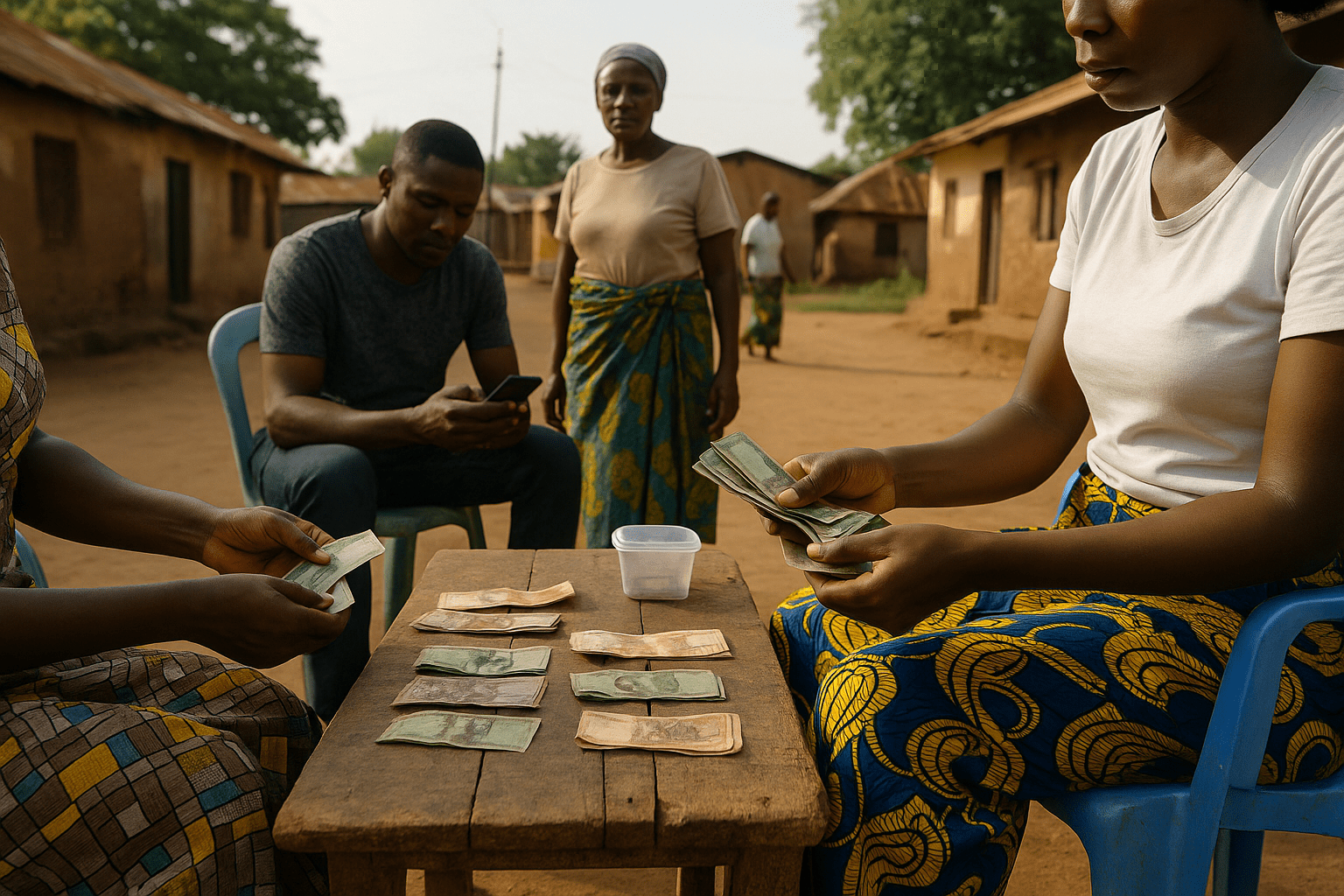
Some households rely on cash kept at home, often divided between different hidden places and small cash stashes. Others lean heavily on trusted local entrepreneurs or shopkeepers who act as de facto depositories. This reflects a long-standing informal economy tradition in parts of the United States as well as globally. Practices like using rotating savings and credit associations, sometimes known as “susus” or “tandas,” create a community-based safety net.
These arrangements are not just about saving money; they’re about mutual trust and social obligation. Saving in this way ties personal finance directly to social relations, requiring reputation and accountability to function effectively. This dynamic can be both a strength and a limitation, shaping how people engage with money and prioritize security.
Trust and Technology Filling the Gaps
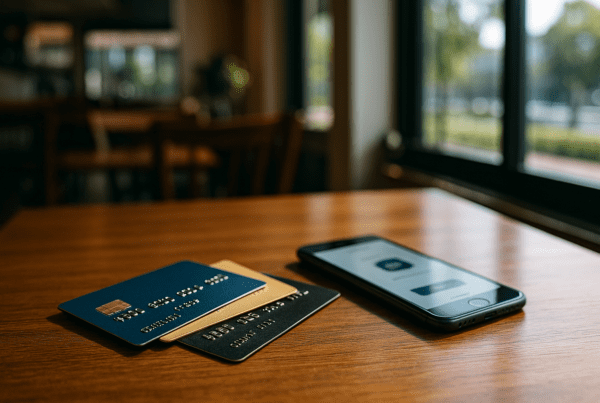
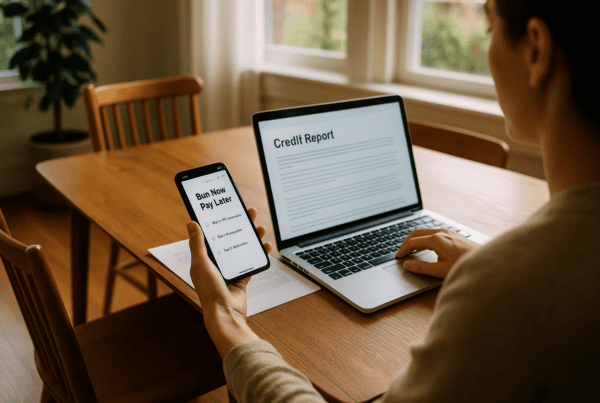
While physical banks remain out of reach, progress in mobile technology increasingly changes the picture. Mobile banking and digital wallets, even on basic phones, have introduced new pathways for saving among communities previously locked out from financial institutions. This digital leap is uneven but noteworthy. It allows for secure, trackable storage of funds, small savings increments, and even access to rudimentary interest or credit services through app-based platforms.
Still, technology is often met with caution. Questions about privacy, trustworthiness of providers, and fees can deter some from fully embracing these solutions. Moreover, without stable internet connectivity or reliable electricity, electronic access remains a patchwork rather than a seamless alternative. In places with limited bank branches, technology often complements rather than replaces traditional savings habits.
Recent data from organizations tracking financial inclusion confirm ongoing trends both in the United States and internationally. According to the Federal Reserve’s data on economic well-being, significant portions of the population still lack easy bank access, relying instead on alternative financial services. Globally, the World Bank’s Global Findex databases also highlight how mobile money has become a critical tool where traditional institutions are limited.
Community Dynamics Shape Saving Decisions
Looking closely at communities with restricted banking options, financial choices intertwine with everyday realities. The need to manage cash in a safe place, combined with irregular income patterns common in gig or informal work, pushes some to save in smaller amounts more frequently. This micro-savings approach contrasts with the more standardized monthly direct deposit into a bank account that is common elsewhere.
The decision to save in cash or through informal groups can also hinge on perceptions of trust. Distrust of banking institutions might stem from historical experiences, concerns over fees, or perceived complexity. Meanwhile, the closeness of communal savings circles offers a sense of control and familiarity that traditional banks cannot replicate.
On the other hand, this community dependence also introduces risks. If a central member of a savings group defaults or disappears with funds, the ripple effect can be devastating. Similarly, keeping large sums of cash on hand exposes savers to theft or loss. These challenges illustrate the delicate balancing act faced in areas with limited formal banking access.
There are also shifts underway within these community dynamics. Some local initiatives attempt to formalize trust networks by partnering with credit unions or fintech organizations, creating hybrid models where informal savings gain some legal safeguards. Such collaborations aim to reduce risk without losing the social fabric that makes these systems work. Yet, converting these practices into more formal settings remains challenging due to regulatory hurdles and cultural complexity.
Financial Services Still Have Room to Grow
Efforts by credit unions, community banks, and nonprofit organizations to expand physical and digital services into underserved areas reflect an awareness of these diverging savings realities. Tailoring products that recognize the cash-based nature of many users, offering flexible identification requirements, and reducing fees are some strategies emerging in recent years.
Still, the gap remains meaningful. It underscores a broader truth: financial habits are not merely individual choices but artifacts of infrastructure, access, culture, and trust. Shaped over time by history, geography, and social networks, savings practices in communities with scarce bank access call attention to how money management depends on far more than formulas or convenient apps.
For those curious about the evolving relationship between banking and personal savings, exploring these patterns reveals a layered view of resilience and adaptation. Behind every local savings strategy, a story of negotiation with the available financial landscape unfolds, one that continues to change slowly but persistently.
Sources and Helpful Links
- Federal Reserve on Economic Well-Being of US Households, data on financial access and behaviors.
- World Bank Global Findex database, insights on global financial inclusion trends.
- Consumer Financial Protection Bureau on Bank Accounts, guidance on banking access and consumer protections.