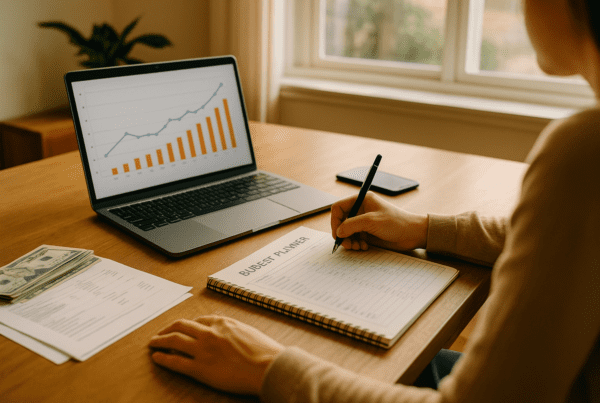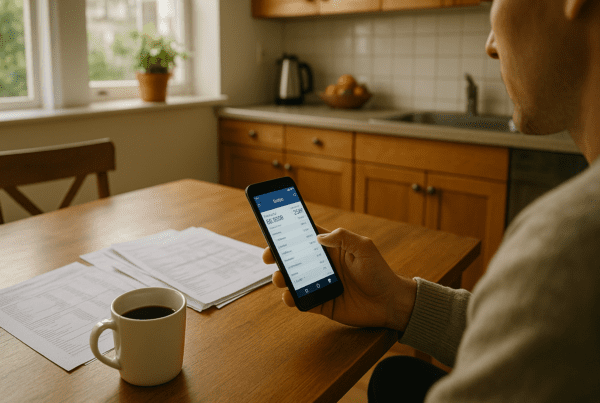

Inflation is a word that often floats through conversations, news reports, and policy discussions, yet its direct influence on household budgeting feels much more immediate for many people. When the price of everyday items rises steadily, it slips quietly into the routines of life, pressing on how families juggle limited resources. This pressure changes not only the numbers but the very approach to managing money.
The subtle pressure of rising essentials
Prices on groceries, fuel, utilities, and rent do not just go up in isolation. They mingle and accumulate in surprising ways, quietly scaling back what feels feasible each month. For many, holding onto the same lifestyle means stretching income thinner, with essentials taking a larger share of every paycheck. It is common to hear that food or housing costs have jumped, yet what really resonates is the daily ripple-less money left for discretionary items that used to provide some breathing room.
This recalibration nudges entire budgets out of balance. Research from the Bureau of Labor Statistics on the Consumer Price Index indicates that when essential expenses rise faster than earnings, spending priorities shift first toward basics. Families often cut into categories like dining out, entertainment, and non-essential shopping, but the changes stretch deeper. Some small conveniences become luxuries as households scrutinize every decision with greater urgency.
Timing matters more when money feels tight
Inflation also brings attention to when money is available, not just how much. Regular bills such as rent, utilities, insurance, and subscriptions loom larger in monthly cash flow planning. If wages do not keep pace with price increases, the sequence of income and expenses can become a delicate dance. Late payments might lead to fees or credit hits that compound problems, prompting more careful scheduling and payment planning.
More frequent budget reviews are becoming common as households watch the ebb and flow of money closer. Rather than seeing their finances as a static monthly tally, many people respond to inflation by breaking budgets into smaller periods-weekly or biweekly check-ins-to avoid surprises. This evolution can feel taxing, but it also brings sharper awareness of spending patterns and potential adjustments.
The complicated role of savings and borrowing
Long-term money management faces its own puzzles in inflationary times. Savings accounts with low interest rates lose ground when inflation outstrips growth, leaving people to question the value of traditional “rainy day” funds. Many reconsider how to maintain some protection against unexpected costs without letting money sit idle. The challenge lies in balancing liquidity and purchasing power.
Credit usage also changes. Some households rely more on credit cards or short-term loans to keep up with rising costs. However, increased interest rates can make borrowing a heavier burden, leading others to pull back on credit or focus on paying down existing debts. Data shared by the Federal Reserve shows diverse consumer responses, with credit acting as a bridge for some while becoming a risk factor for others.
Reconsidering long-term goals amid uncertainty
The impact of inflation extends beyond day-to-day balancing. Major financial goals like home buying, retirement saving, or education funding often come under review when economic forces feel unpredictable. Some families choose to delay or adjust plans, cutting back on longer term aspirations to address immediate pressures.
At the same time, inflation encourages many to seek deeper financial knowledge and tools. Budgeting apps, counseling services, and community programs gain traction as people look for ways to navigate complexity. These resources offer more than tracking; they provide context, helping households understand the tradeoffs inflation demands and how to weigh short-term needs against long-term stability.
Importantly, these shifts do not happen evenly. Economic realities are uneven across cities, regions, and demographics. For example, urban dwellers might face sharper rent pressures while rural households confront different cost changes. Wage growth disparities further diversify how inflation affects budgeting. Observing these variations highlights the complexity behind broad economic trends.
Adjusting to a new rhythm in money management
Paying attention to changing budgeting patterns offers insight into how households respond not just to rising prices but to the challenge of adapting financial habits under pressure. Inflation acts as a mirror, reflecting strengths and weaknesses in money management, exposure to financial risks, and the capacity to adjust over time. The ongoing dialogue between income, expenses, and goals becomes more nuanced, showing why steady attention to finances remains crucial.
What emerges through this lens is the value of flexible, thoughtful money management. Rather than static practices, budgeting unfolds as a responsive process, tuned to shifting conditions and personal circumstances. This perspective helps frame inflation not only as a challenge but as a catalyst for reexamining what financial wellness means in a changing world.
Financial decisions are rarely made in isolation. Shifts in budgeting patterns ripple outward, influencing choices about work hours, purchasing priorities, and even relationships with credit and savings. In this landscape, small changes accumulate: switching brands, delaying upgrades, seeking community support, or turning to alternative transport. These adaptations demonstrate the quiet, ongoing negotiation many households engage in as they navigate inflation.
Being mindful of these evolving patterns also underscores the limits and possibilities of personal finance strategies. While broad economic conditions set the scene, individual responses reflect a range of circumstances, values, and resources. Recognizing this diversity adds depth to understanding how inflation plays out in daily life.
Above all, these shifts remind us that budgeting is not just about numbers. It’s a lived experience shaped by hope, resilience, concern, and adaptation. As inflation reshapes the everyday, it invites a closer look at how people work with their money, finding paths through complexity that suit their unique situations.
Sources and Helpful Links
- Bureau of Labor Statistics Consumer Price Index, data on inflation’s effect on prices and spending
- Federal Reserve Consumer and Community Context, insights on consumer finances and credit usage
- Consumer Financial Protection Bureau Tools, resources for budgeting and financial education