The everyday act of buying something online seems simple enough, yet beneath the surface it’s a cavern of shifting technology and evolving trust. Online payment methods have moved well past just entering credit card numbers and clicking pay. They now offer new ways to interact, confirm, and authenticate that quietly remake how consumers perceive safety and convenience when shopping digitally.
Changing the Shape of Trust Before the Checkout
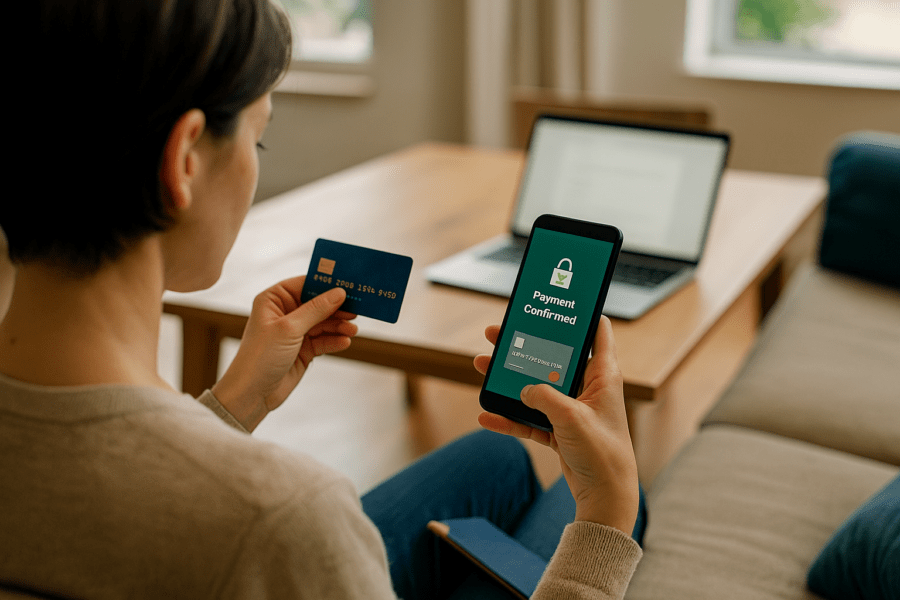
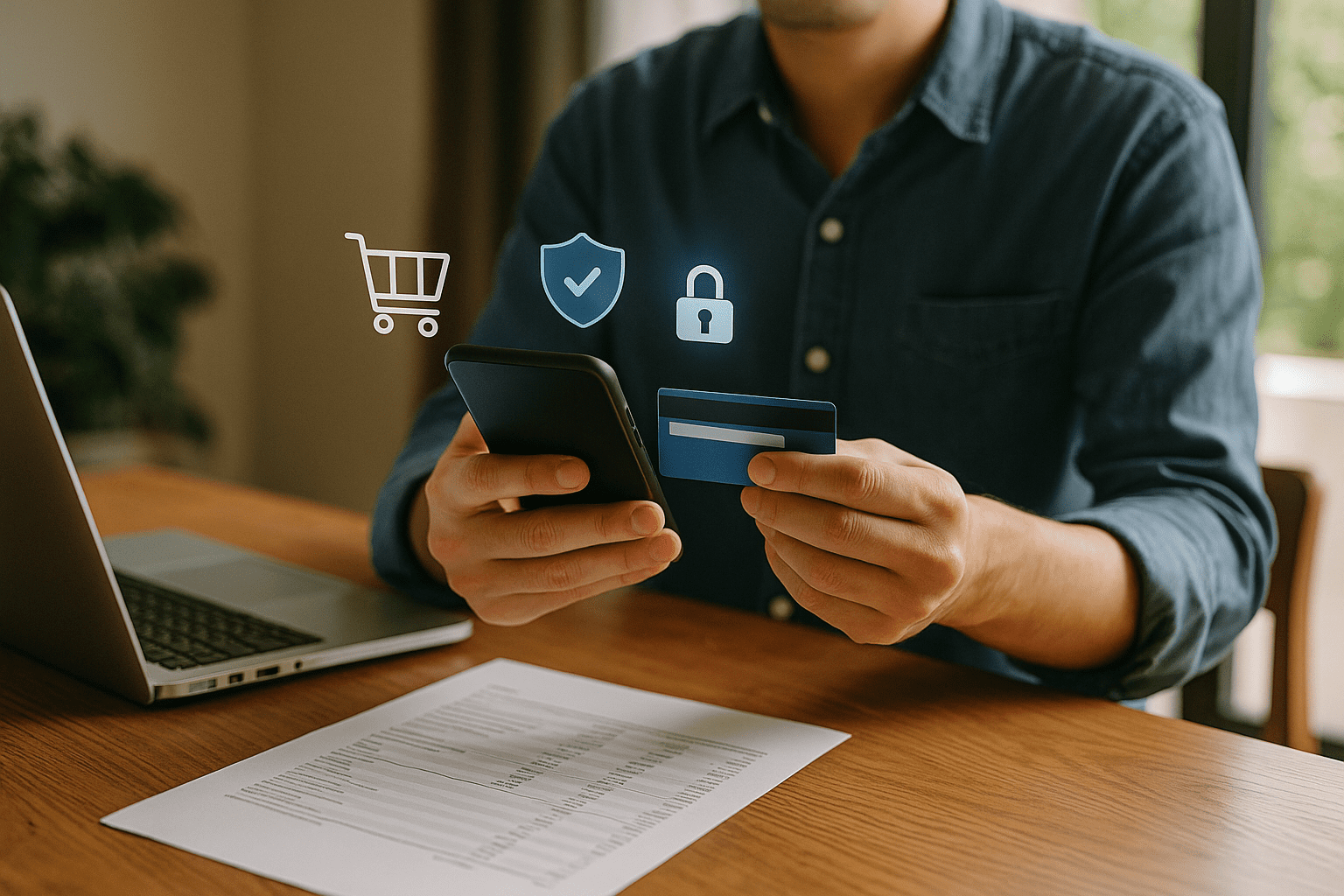
Not long ago, consumers approached online shopping warily, pausing at the checkout page with questions about security and legitimacy. That hesitation wasn’t unfounded. Concerns over data breaches, fraud, and misuse were common. Payment innovation started as a direct answer to these fears. Technologies like two-factor authentication, tokenization, and encrypted payment gateways began cushioning consumer trust in e-commerce experiences.
Beyond security, payment methods started to carry subtle signals marketers and merchants could not overlook. When users see payment options like PayPal, they often recognize a layer of protection. When they spot newer wallets like Apple Pay or Google Pay, there’s an intuitive sense of integration with their trusted devices. These nuances, researched widely by behavioral economists, influence whether consumers feel comfortable completing their purchases.
Reputation and ease coalesce in these moments, and the trustworthiness of a payment method becomes as important as the product itself. According to a 2023 report from the Norton LifeLock, consumers tend to abandon carts if payment options look unfamiliar or unreliable. The experience needs to feel immediate and familiar.
New Entrants Stir the Payment Landscape
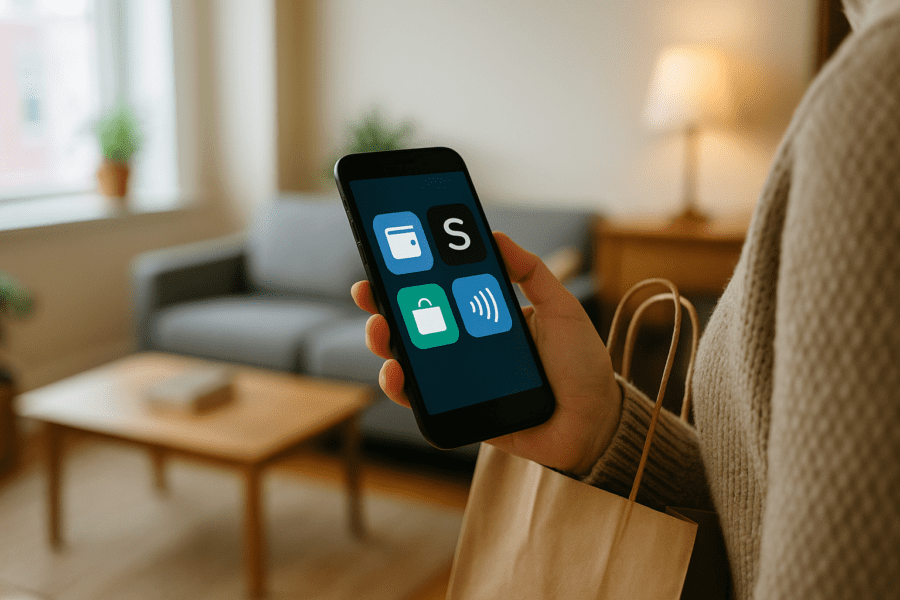
Mobile wallets, buy now pay later services, and cryptocurrency options have layered additional complexity. Each of these introduces different dynamics for consumer trust. Mobile wallets operate on the assumption that advanced security features built into devices like fingerprint scanning or facial recognition are more trustworthy than typing in card details. This integration into personal hardware alters how trust is constructed in the buying moment.
Buy now pay later options appeal differently by shifting trust toward the payment provider rather than the retailer, creating a more flexible sense of commitment for the consumer. But this can complicate perceptions. Data from the Consumer Financial Protection Bureau suggests many shoppers appreciate these services for convenience, yet some express unease about the long-term impact on credit profiles, tempering their trust.
Cryptocurrencies bring a different flavor, wrestling with trust through decentralization. While some consumers embrace crypto payments for their promise of privacy and freedom from traditional banking controls, others remain skeptical of volatile values and unclear regulatory frameworks. As cryptocurrency payment options grow in e-commerce, so do questions of whether trust can be built outside established financial institutions.
Behind the Screens, Policy and Compliance Matter More Than Ever
Technical innovations alone do not guarantee trust. Many consumers still rely heavily on regulatory assurances embedded in policies like PCI DSS (Payment Card Industry Data Security Standard) compliance and GDPR protections. These frameworks require merchants and payment processors to follow strict protocols for handling personal and payment data.
The presence of compliance seals and clear privacy statements can reassure shoppers, especially when paired with transparent refund and dispute resolution policies. Observations from the Federal Trade Commission highlight how visible commitments to privacy and clear contact points for problems help mitigate distrust that builds after incidents of online merchant fraud.
Still, these regulatory and technical safeguards demand constant evolution. Payment fraud schemes adapt quickly, and so must the technologies and policies designed to protect consumers. This ongoing cat and mouse dynamic underscores how fragile and continuously negotiated trust in e-commerce really is, even with the most innovative payment methods.
Consumers Navigate a Patchwork of Signals and Experiences
For shoppers, trust emerges through a patchwork of experiences, signals, and background knowledge. A favorite retailer might earn faith simply by reputation, making new payment methods easier to accept. Newer or smaller merchants find themselves needing to prove reliability through multiple channels, including clear payment options, customer reviews, and responsive service.
The consumer is not always rational or uniform in establishing trust. Sometimes the presence of a payment method that feels cutting-edge can increase confidence among younger shoppers, while older consumers may prefer more traditional options. This diversity means e-commerce platforms need to balance innovation with reassurance.
Research from the Harvard Business Review reflects the importance of convenience layered with security. Customers cite fast checkouts and visible safety features as key, but also expect smooth post-purchase experiences if issues arise. Trust is not a single transaction but a relationship built over time, improved through transparent payments interactions and customer care.
As online payments continue to evolve, some newer payment systems attempt to weave trust more deeply into the experience itself. For example, biometric verification methods now tie authentication directly to the user’s physical presence, reducing friction without compromising security. These methods also respond to consumers’ desire for effortless yet safe transactions, a delicate balance that payment companies continuously aim to refine.
Meanwhile, the rise of digital identity services embedded in payment experiences brings new questions. If a consumer’s identity can be securely verified through a seamless process, it may cut down on fraud and variety of checks at checkout, yet it also invites concerns about how much data travels behind the scenes and who holds control. Platforms are challenged to respect privacy while offering speed and certainty to shoppers.
At the same time, the COVID-19 pandemic accelerated shifts toward contactless and digital payments, pushing more consumers to embrace methods they might have hesitated to trust before. This rapid adoption gave companies a chance to learn and iterate on trust-building features under real world pressure, revealing gaps and areas for improvement in a way a slow evolution could not.
Yet even as innovation pushes forward, the thread running through all of these developments is the consumer’s fundamental expectation: payment methods must work without surprise, delay, or confusion. The moment payment slows or feels risky, even the most advanced technology struggles to keep trust intact.
Looking ahead, the constant tension between innovation and reliability will likely define consumer trust in e-commerce payments. Shoppers want the convenience and novelty of fresh payment ideas, yet they also anchor their confidence to familiar cues, safeguards, and fallback options if things go wrong. The future of e-commerce payments will be shaped as much by meeting these expectations consistently as by any new technological breakthrough.
Each click, tap, and approval in digital payment systems aggregates into a broader narrative of trust. The more payment methods accommodate real world concerns while enhancing the ease and speed of online shopping, the more they deepen the fabric of consumer confidence that makes e-commerce thrive.
Sources and Helpful Links
- Norton LifeLock, insights into e-commerce scams and consumer behavior
- Consumer Financial Protection Bureau, analysis of buy now pay later usage trends
- Federal Trade Commission, guide on data breach response and consumer protections
- Harvard Business Review, research on consumer preferences in online payments