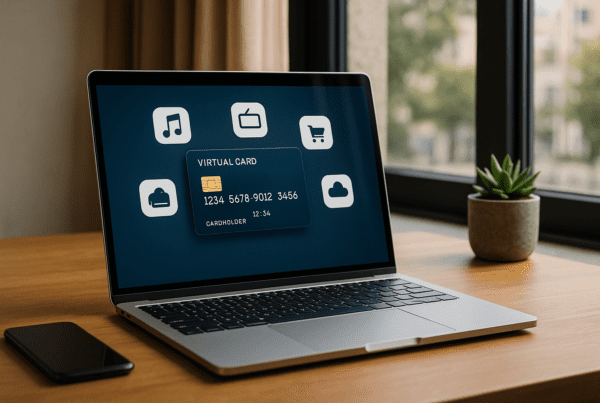

When scrolling through checkout pages on e-commerce sites, a subtle shift in how consumers handle credit card information has taken root in recent years. Virtual cards have quietly gained traction among shoppers wary of exposing their traditional plastic card numbers online. This growing preference isn’t just about convenience; it reveals underlying anxieties about security and control in digital spending.
More than just a digital convenience
Virtual cards may look like another tech novelty, but their adoption rests on practical benefits that address long-standing consumer frustrations. Typing in a card number on a website can feel like a routine step, yet many people harbor unease about the risks involved. With data breaches frequently making headlines and phishing scams still a threat, relying on a single, permanent card number increasingly feels like putting all eggs in one basket.
Virtual cards offer a layer of protection by generating a unique card number for individual transactions or specific merchants. If a breach occurs and that number is exposed, the damage is contained because the number cannot be reused elsewhere. This practice mirrors older habits like using separate phone numbers or email addresses for different purposes, applying those lessons to financial security.
Payment giants such as Mastercard and Visa have woven virtual card options into their services, embedding them within mobile apps and online banking platforms. The result is a smoother pathway for users who might otherwise hesitate to try this new form of payment, as the setup process now blends comfortably with everyday digital banking.
A closer look at control and spending habits
Beyond security, virtual cards change how consumers interact with their spending. They are often customizable with features like set spending limits, expiration dates, or one-time use restrictions. This level of control feels like reins on budget behavior, helping curb impulse purchases or unintended charges without needing extra effort at reconciliation time.
For freelancers or those juggling several service subscriptions, virtual cards can act as an organizational tool. Assigning a distinct virtual card to each subscription or client project makes it easier to track expenses and untangle monthly statements. What might otherwise look like a confusing jumble of charges can become a clearer financial narrative.
Businesses have also embraced virtual cards for internal expense management. Still, the consumer experience offers particular value, especially in a financial environment where fees and rate changes can sometimes feel opaque or sudden. Virtual cards give users a way to impose personal boundaries on digital spending activity.
The pattern of rising adoption
Data shows a steady increase in virtual card usage among consumers and small businesses alike. According to reports from payment industry analysts, virtual cards now take a significant share of e-commerce transactions, supported by shifts in payment infrastructure and growing consumer vigilance regarding fraud.
This movement fits into a larger pattern shaped by fintech innovation. Apps that help manage subscriptions, budgets, and person-to-person payments have made handling multiple financial tools online routine. Virtual cards are just another part of this expanding financial ecosystem, making sense to users accustomed to juggling different digital payment forms.
The pandemic accelerated online shopping dramatically, pushing many to explore new sellers and platforms. Virtual cards proved especially handy during this time by allowing quick creation and disposal of card numbers, giving consumers a way to protect their financial data while adapting to new purchasing habits.
Where virtual cards meet real-world inconsistencies
No financial product is without flaws. Some merchants or websites still do not accept virtual card numbers, especially when recurring payments or identity verification is involved. This can cause occasional irritation and force users to revert to traditional cards in some situations.
Also, virtual cards depend on an underlying bank or credit card account. Any protections concerning fraud disputes or liability ultimately come down to those core accounts. In essence, virtual cards add helpful features but do not replace the foundational rules and limitations imposed by financial institutions.
The rise of virtual cards prompts ongoing discussions about how financial systems can better respond to needs for stronger security, greater flexibility, and transparency. They demonstrate how small innovations in payment infrastructure can quietly ease common consumer frustrations.
Virtual cards as a glimpse into future financial habits
Peering ahead, virtual cards may be a sign of evolving consumer preferences for more tailored financial tools. The desire for temporary payment numbers, fine-grained spending control, and instant setup suggests a future where payment instruments function more like flexible assistants than rigid tools.
These changes align with other developments such as biometrics, tokenization, and instant alerts about transactions. The overall goal is a payment landscape that feels safer and gives users more command, helping manage money seamlessly rather than adding layers of complexity.
The transition from novelty to everyday use for virtual cards reflects a deeper progression: our financial interactions keep intertwining with digital life, requiring tools that balance protection, freedom, and clarity. These tools allow consumers to navigate online spending without needing expert knowledge just to stay secure.
For individuals curious about safer online shopping options, virtual cards offer an intriguing possibility worth exploring within their broader financial approach.
For readers seeking more detailed guidance on digital payment safety, the Consumer Financial Protection Bureau provides comprehensive resources, while evolving product options from providers like American Express showcase how card services are adapting to modern spending habits.
As virtual cards become a subtler but steady part of the payment environment, they invite a broader look at how financial habits and tools can grow in step with the realities of online life.
Exploring this trend sheds light on the quiet evolution of money management, revealing how small technical shifts can have outsized effects on everyday consumer confidence and financial clarity.
What remains clear is that virtual cards are less about replacing existing methods and more about layering in safer, smarter options that fit naturally as more shopping takes place online.
The ongoing interplay between convenience and security will shape how these tools continue to develop and integrate into mainstream financial behavior in years to come.
Those willing to experiment with virtual cards may find themselves better equipped to face the unpredictable landscape of online commerce while keeping a firmer grip on their financial footprint.
Virtual cards stand as a testament to the possibility of crafting financial technology that respects both the need for protection and the desire for easy, adaptable use.
In a world where digital spending shows no sign of slowing down, this measured approach to payment innovation may quietly become a defining feature of everyday money management.
As the layers of online transactions grow thicker, tools like virtual cards offer a way to carve out clear, manageable paths through what could otherwise feel like an overwhelming financial maze.