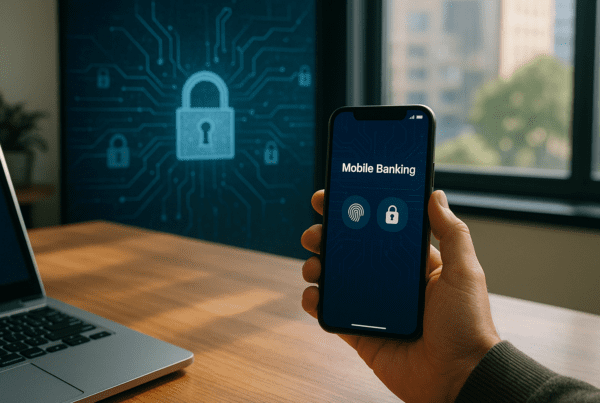

In the quiet hum of data centers and bank offices, automated fraud detection systems work relentlessly, scanning countless transactions in mere seconds. These tools are no longer just a layer of defense but have become the dynamic backbone of modern bank security. The way banks identify and respond to potentially fraudulent activity has shifted dramatically as automated detection grows more sophisticated, weaving itself deeply into the financial ecosystem.
A constant watch beyond human limits
Traditional fraud detection relied heavily on human review and set rules, which often meant reacting after suspicious activity was already underway. Now, algorithms sift through gigantic streams of transaction data, learning continuously and detecting subtle clues that human eyes might miss, such as changes in spending habits or unusual login locations. This kind of automated vigilance allows banks to spot anomalies before they escalate into serious breaches, delivering a level of surveillance that runs around the clock.
This real-time monitoring does more than catch fraud. It shapes customer experience in complex ways. On one hand, customers enjoy peace of mind knowing their accounts are watched with such careful attention. On the other, that near-constant watchfulness raises questions about privacy and occasionally triggers false alarms, which can interrupt legitimate transactions. Banks face the challenge of balancing swift action against the risk of disrupting genuine customer activity, especially when alerts prompt account freezes or verification calls.
How machine learning shapes ongoing fraud recognition
Machine learning drives many of today’s fraud detection tools, which makes these systems adaptive rather than relying exclusively on static rules. Each new pattern of suspicious behavior informs the algorithms, refining the models they use to distinguish fraud from normal transactions. This ongoing evolution is a critical advantage because criminals consistently adjust their tactics to evade detection.
Automation enables coverage of a wider spectrum of fraud types, including those emerging alongside the rise of mobile banking, contactless payments, and digital wallets. The technology analyzes diverse data points, from transaction amounts and frequencies to behavioral biometrics like typing speed or device manipulation. These layers of data build a nuanced profile of normal versus abnormal activity unique to each user, helping banks tailor their responses more accurately.
This sophistication comes at a cost though. The data collected for fraud detection purposes intersects with sensitive customer information, prompting ongoing debates about how much monitoring feels appropriate and transparent. Banks must carefully manage these concerns to maintain trust, particularly as regulatory scrutiny around data privacy grows internationally.
Shifting how consumers and banks think about risk
The widespread use of automated fraud detection is changing both consumer behavior and institutional risk management. When consumers sense their banks have finely tuned detection tools, they often feel more comfortable using digital financial services and adopting new payment methods. The reassurance that unusual transactions will be caught quickly encourages more confidence in online and mobile platforms.
However, there is a downside. Frequent or unclear alerts about suspicious activities can frustrate customers, especially when verification processes delay transactions. Communication becomes crucial, with banks investing in clearer explanations about why certain actions require attention and what steps customers should take. Helping customers understand the system’s purpose lessens confusion and supports a more cooperative relationship.
Institutions also benefit on the regulatory front. Automated fraud detection tools help banks limit financial losses and show regulators they have robust controls in place. Agencies increasingly expect institutions to have scalable systems that go beyond manual review. Yet this requires ongoing maintenance. Systems need constant recalibration to keep pace with fraud tactics and reduce false positives that could alienate customers or waste investigative resources.
The partnership of human judgment and machine speed
Despite advances in automation, human judgment remains an essential element of effective fraud detection. When systems flag suspicious activities, human analysts assess the context and make determinations that machines cannot. Some behaviors are unusual but legitimate, while new fraud patterns may not yet be fully understood by algorithms.
Banks train specialized teams to integrate with technology smoothly, focusing manual reviews on cases that need deeper insight while letting automated tools handle the bulk of transaction analysis. This hybrid approach helps keep alert fatigue in check and sharpens both detection and customer support.
Customer-facing staff also play an important role, gently guiding clients through investigations of possible fraud. They help ensure that security efforts feel supportive rather than punitive, which improves trust and cooperation.
Institutions also collaborate by sharing insights and data, using automated detection outputs as early warnings for widespread scams. Industry networks amplify these efforts, helping banks act faster when emerging threats appear across multiple organizations.
The financial landscape is dynamic, and automated fraud detection tools have become indispensable not only because they handle massive data volumes but because they enable a proactive, learning defense. This marks a shift away from reactive security methods toward systems that evolve alongside the threats they face.
As the technology advances, the balance between security, privacy, and user convenience will continue to evolve. What remains clear is that combining human expertise with machine speed is reshaping how banks protect the money and trust that form the foundation of modern finance.
For further insight into how these systems work in practice and customer considerations, resources such as the Federal Deposit Insurance Corporation provide accessible guidance. Meanwhile, the Consumer Financial Protection Bureau offers detailed resources about fraud prevention in today’s digital economy.
Sources and Helpful Links