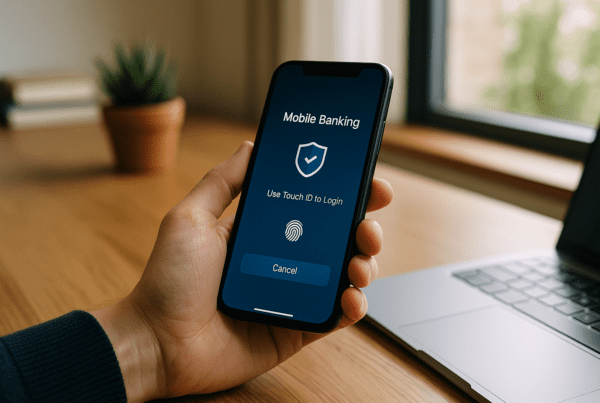

Mobile banking has become a staple of modern financial life. The apps on our phones do more than just replace a trip to the bank branch. They actively shape how we interact with money, sometimes nudging us toward certain behaviors without anyone explicitly saying so. It is an evolution from simple account checking toward a tool that plays a role in everyday decision making.
Noticing the nudges in everyday spending
One of the first things that stands out is how many mobile banking apps provide real-time updates the moment a payment posts. There are instant alerts for purchases, often with reminders of how much money remains available. While this may seem like straightforward information, it adds a layer of immediacy and attention that was absent from paper statements or even desktop banking.
Early research from organizations like the Consumer Financial Protection Bureau has shown that such instant alerts can make people pause and think twice about purchases. This feedback loop is a subtle influence on financial behavior. We see people become more cautious or deliberate simply because the banking app glows with fresh data on their latest spending.
In addition, many apps include features like spending categories and monthly budgets. These visual breakdowns of where money goes can feel like a mirror held up to financial habits. The breakdown is often clearer and more immediate than a personal spreadsheet or handwritten ledger. It can foster awareness, which is a first step toward change. But it does not guarantee better choices, just greater visibility.
The promise and pitfalls of goal-setting tools
Savings goals have become popular features in mobile banking apps. Users can set a target for a trip, a rainy day fund, or paying down debt, then track progress in one place. People often report feeling more motivated when goals are integrated into the app they already check daily. The progress bars and reminders gently encourage ongoing engagement.
Yet, these features are not a cure-all. Behavioral economists have long documented that setting goals well involves more than just tracking numbers. The way a goal is framed, the flexibility allowed, and the underlying habits all matter. Sometimes these app features oversimplify complex financial realities or do not address emotional factors tied to spending impulses or financial stress.
Still, seeing the accumulating savings for a planned purchase or emergency fund in a familiar interface can feel more tangible than imagining a balance in an anonymous bank ledger. Some users find that this concrete feedback helps build consistent behaviors, even if it requires an extra nudge from external habit triggers.
Investment features and beginner confidence
Another noticeable trend is the rise of investment services integrated with mobile banking. Some apps now allow users to buy fractional shares, participate in automatic investing plans, or access educational materials without leaving their banking environment. This bundling lowers the barrier to entry, making stock market participation feel like a natural extension of day-to-day money management.
This convenience can foster confidence among beginners who might not otherwise explore investing. According to data from the Securities and Exchange Commission, simplified access via mobile platforms has contributed to a more diverse set of investors entering the market. At the same time, this ease can blur the line between thoughtful investing and impulsive trading. Mobile platforms often include features like notifications about market movements or news, which some users may respond to emotionally rather than strategically.
Moreover, the design of these investment options can influence risk tolerance. For example, some apps highlight conservative portfolios as default choices, which may encourage safer behavior. Others gamify investment decisions, occasionally amplifying risk-taking. The subtle cues woven through app interfaces remind us that financial decisions are rarely neutral, even in a streamlined digital format.
Credit management made visible
Mobile banking apps have also expanded into credit management, showing credit scores, recent inquiries, and even personalized tips on improving credit health. For many people, formerly confounding elements of credit become more accessible and understandable through these features. Having a live glimpse into one’s credit standing can promote more mindful borrowing and on-time payments.
Still, the way credit information is presented matters. Some users might misinterpret fluctuations or focus too heavily on a single number out of context. The consumer education provided alongside this data varies widely, shaping how effectively people use the insights to their advantage.
Privacy and trust weaving through use
Beyond features themselves, trust plays a hidden but crucial role in financial decision making through mobile banking. Users must feel confident that their data is secure and that the app acts in their best interest. Concerns about privacy, data sharing, or hidden fees can influence how people engage. The interplay between convenience and security is a daily calculation for many.
This atmosphere of vigilance can affect decisions indirectly, making users cautious about linking accounts, sharing information, or fully utilizing features that might enhance their financial health. The nuanced relationship between trust and technology means these financial decisions come with unspoken costs and benefits.
Mobile banking already influences spending, saving, investing, and credit choices in ways many users do not consciously acknowledge. These features change the everyday financial landscape, bending behaviors through instant feedback, accessible information, and design choices that make money management feel both familiar and immediate.
Understanding these dynamics helps shed light on why people respond the way they do to their apps and why mobile banking is more than a convenient tool-it is part of how many experience and control their financial lives today.
Sources and Helpful Links
- Consumer Financial Protection Bureau Mobile Banking Research, insights into how mobile banking affects consumer behavior
- The Securities and Exchange Commission, official information on investing platforms and regulations
- Federal Reserve Survey of Consumer Finances, data on household financial behavior including mobile banking trends