Paying online now feels like second nature but the choices consumers make at checkout reveal a tightly woven story of evolving habits and concerns. Preferences for certain payment solutions go beyond just convenience or brand loyalty. They unfold as a complex map of trust, accessibility, rewards, and even age or location shaped by ongoing shifts in technology and cultural habits.
Convenience bears weight, but it has company
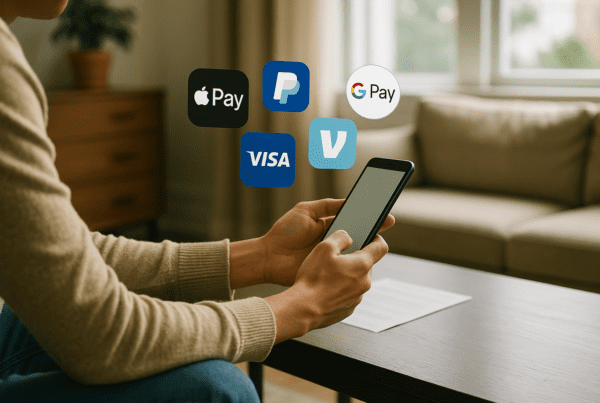
Ease of use holds undeniable appeal. On mobile devices where speed dominates, many lean towards options like Apple Pay or Google Pay because they cut out typing card numbers and streamline the process. The JPMorgan Mobile Payments Report confirms mobile-first usage patterns are rising, reflecting this craving for quick, simple transactions.
Yet convenience rarely stands alone. Consumer trust in payment platforms remains a key counterweight. For instance, older consumers tend to stick with familiar credit cards even online, partly because they feel safer using a known brand. A Consumer Reports survey on payment trust highlights this divide, showing younger users are more willing to explore newer digital wallets but remain circumspect about less established methods, such as cryptocurrency-based payments.
Security concerns shape preferences more than convenience in many cases
The recurring news about data breaches and fraud exposes a lingering source of anxiety in online payments. Consumers show a clear preference for methods that incorporate visible safeguards. Features like two-factor authentication, biometric verification, or strong buyer protection programs enhance trustworthiness.
PayPal serves as an example, maintaining customer confidence through its long history of buyer protections. The Federal Trade Commission’s data breach report reminds us that no payment infrastructure is immune to risk, but consumer behavior indicates a readiness to sacrifice some ease for perceived security.
It’s not just technology but a matter of who is paying
Age, household income, and geography all influence payment choices significantly. Younger adults tend to favor peer-to-peer apps and digital wallets that link with social features, matching their device habits and social interactions. Middle-aged consumers often rely on credit cards especially when combined with one-click payment options on trusted retail platforms.
Income plays a less talked about but vital role. Lower-income users frequently face challenges accessing traditional banking or credit products and so turn to alternative tools like prepaid cards or cash reloadable digital wallets. This reflects the practical realities of what payment options are accessible, not just desired.
Geographical differences appear as well. In countries or regions where banking services are scarce or credit access limited, mobile money and cash-based digital payment solutions dominate. Contrastingly, in highly developed markets, a mosaic of payment methods competes for consumer attention, each carving out niche uses linked to personal preferences and circumstances.
Perks and rewards aren’t just icing on the cake
Many consumers evaluate payment methods through the lens of incentives and rewards. Cashback offers, discounts, and points programs wield surprising power in influencing choices. Research from Nielsen shows a significant portion of users prioritize rewards sometimes even above security or ease.
This partly explains the resilience of credit cards in the payment ecosystem despite newer alternatives that may promise speed or cost savings. The underlying psychology of rewards taps into a deeper desire for perceived value within everyday spending, shaping loyalty over time.
Varied transactions invite varied payment fits
Spending context influences payment method selection. For frequent purchases like groceries or commuting fares, speed and simplicity drive the use of debit cards or digital wallets. But for larger or unfamiliar transactions, credit cards often take precedence for their dispute rights and purchase protections.
The eMarketer US digital payment trends report emphasizes that over 60 percent of people alter their payment approach based on transaction size or merchant profile. The rise of hybrid models where digital wallets can be funded by cash also highlights how users blend modern tech with existing economic realities.
New payment methods emerge slowly amidst ongoing caution
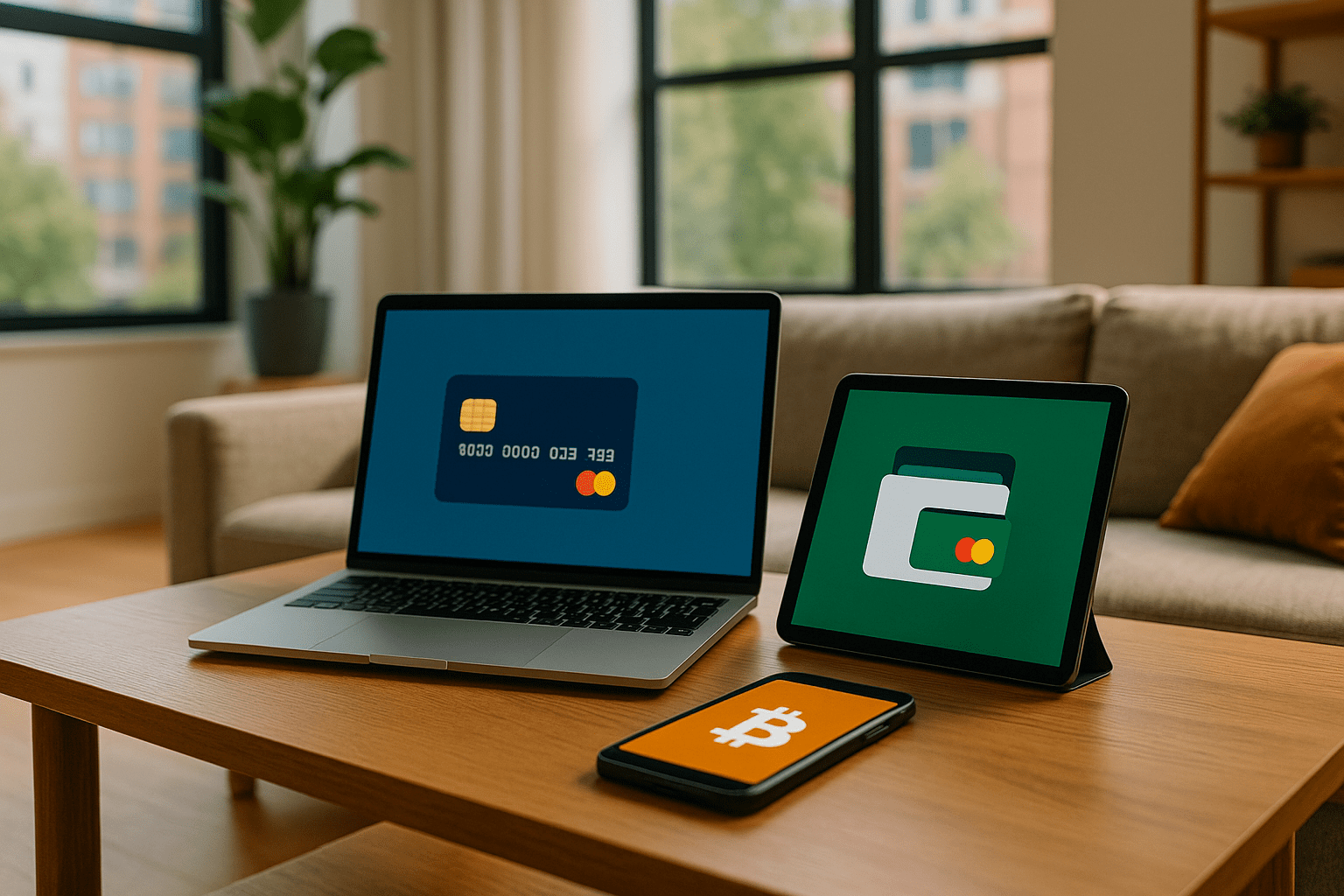
Cryptocurrency and blockchain-based payments often capture headlines but remain a small fraction of online payments overall. Technical difficulties, price instability, and unclear regulations curb mainstream adoption for now.
The Chainalysis Crypto Adoption Index points to areas of increasing usage, particularly in nations with underdeveloped financial infrastructure where digital currencies supplement or replace traditional payments.
Rather than a wholesale switch, consumers approach emerging options as part of a broader portfolio tailored by context, trust, and personal priorities. This layered usage paints a picture of payments as an ecosystem where old and new coexist and interact.
Observing how consumers pick among payment methods reveals more than just preferences; it shows values rooted in safety, reward, and control that persist across technological changes. Practical understanding of these patterns helps businesses shape payment options that align with what consumers actually want and need, serving real-world financial behaviors instead of abstract ideals.
Sources and Helpful Links
- JPMorgan Mobile Payments Report, research on mobile payment trends
- Consumer Reports Payment Trust Study, survey on consumer confidence in payment methods
- Federal Trade Commission Data Breach Analysis, data on breaches affecting payment security
- Nielsen on Consumer Rewards, insights into incentives driving payment choice
- eMarketer US Digital Payment Trends, overview of payment method usage patterns
- Chainalysis Crypto Adoption Index, analysis of cryptocurrency payment adoption