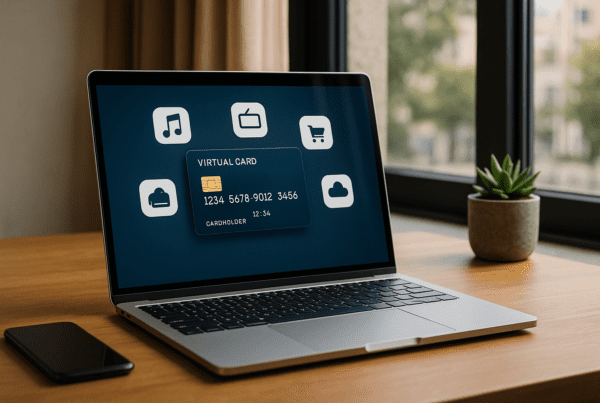

Virtual cards have quietly gained more attention in recent years, not as a flashy new gadget but as a quietly evolving tool woven into everyday spending. For some, they are a neat way to shield credit card details during online shopping. For others, they are a step into a more controlled, flexible payment experience that feels tailored and immediate.
A different kind of plastic in your pocket, or purely digital?
Consumers often start with the idea of virtual cards as less physical clutter, something that does not require carrying another card. Instead, they exist entirely on smartphones or through apps connected to traditional bank or credit card accounts. This helps reduce the fear of card skimming or fraud, since the numbers tied to these virtual cards change frequently or are specific to a single merchant.
Many users discover the immediate convenience of creating a new virtual card number for each transaction or subscription service. This limits the risk if a merchant suffers a breach, a concern many people have encountered in recent years, notably through highly publicized data leaks involving major retailers and platforms.
However, virtual cards are not all uniform. Some are prepaid, some linked directly to checking or credit accounts, and others offered through financial technology firms with revolving features. This variety means consumer experiences depend heavily on who issues the card and what protections or usage boundaries are built into the platform.
Everyday spending with an invisible companion
The day-to-day routine with virtual cards often starts online, but it can extend to in-person use through mobile wallets or digital interfaces. The appeal for many is clear: the ability to generate a card number quickly for a subscription, trial service, or a single purchase without exposing the main account.
Yet the reality is a bit more complex. Some users face confusion over how to manage multiple virtual card numbers, especially when tracking expenses or reconciling monthly statements. For example, when a virtual card number expires or is replaced, some recurring payments might decline if the new number isn’t updated in the merchant’s system.
This is a real-world pain point that shows up in consumer conversations and forums. Some experience frustration when customer service teams at merchants or card issuers are unfamiliar with virtual card quirks, making troubleshooting more time consuming.
On top of this, there is an ongoing debate about limits on virtual card acceptance at certain points of sale, especially where chip or contact payments are standard and virtual cards do not integrate seamlessly. These practical barriers reveal that virtual cards are part of a payment ecosystem still adapting rather than a finished solution.
The safety net and its shadows
One of the strong selling points of virtual cards remains their enhanced security profile. Since the card number can be set to expire or be restricted to certain spending parameters, it offers a real advantage over traditional plastic in combating fraud or unauthorized charges.
But security does come with tradeoffs. Some consumers report concerns over record keeping and the ability to dispute charges if the virtual card provider has limited customer service or vague policies on refunds and transaction disputes. This is a reminder that the infrastructure around virtual cards is still developing and varies widely between providers.
Another aspect is that while virtual cards mask the underlying account, the total balance or credit available might still be linked to a real account. If consumers are not attentive, overspending or unexpected declines can occur, especially with prepaid virtual cards that do not reload automatically.
Looking beyond novelty to actual habits
The notion of virtual cards often starts as a curiosity or a novel feature recommended by tech-savvy friends or through app marketing. What matters in practice is whether these cards fit into how people naturally spend and manage money.
Some early adopters find virtual cards integrate well with subscription-heavy lifestyles or where privacy is a significant concern. Others view them as cumbersome for regular in-store use where cash or familiar credit cards still dominate and require less mental effort.
Financial literacy plays a role too. Those familiar with budgeting tools and online banking apps might more easily track spending through virtual cards, while others could find the additional layer confusing, potentially leading to less transparency rather than more.
This adaptation period mirrors many technology waves in finance, where the promise of something new often meets ingrained habits, institutional infrastructure, and the messiness of everyday life.
Virtual cards speak to a growing desire for financial tools that offer personalization and control without sacrificing security. Yet, their success will be shaped by ongoing development in usability, provider accountability, and consumer understanding.
It remains worth watching how these digital products evolve, how they might reshape the practical act of paying, and how consumers negotiate the space between convenience, privacy, and clarity.
For those interested, resources like the Consumer Financial Protection Bureau offer guidance on understanding electronic payment options and the risks involved, helping to navigate between allure and reality.
As part of the wider movement toward digital finance, virtual cards represent one piece of a puzzle where innovation meets lived experience, with all the complexity that entails.
Consumer Financial Protection Bureau on payment cards provides helpful insights for anyone curious about card options including virtual cards.
The National Retail Federation has noted in its analyses how retailers are adapting to digital payment trends, which indirectly affects virtual card acceptance and usage.NRF Retail Payment Insights
Financial technology news platforms such as Finextra offer ongoing commentary on how virtual cards fit into the broader payments landscape.
Sources and Helpful Links
- Consumer Financial Protection Bureau on payment cards, a resource explaining different types of payment cards including virtual cards
- NRF Retail Payment Insights, analysis on how digital payment methods are evolving in retail
- Finextra discussion on virtual cards, an industry perspective on virtual card usage and trends