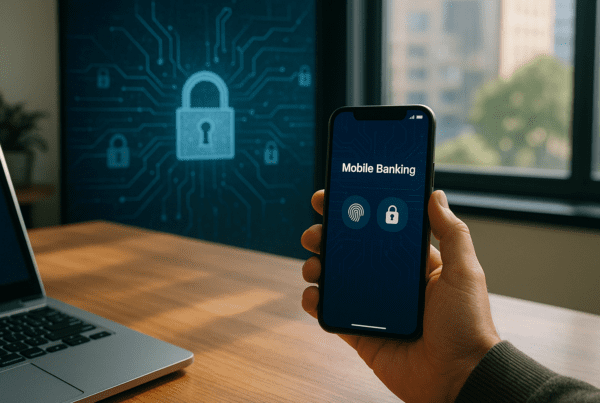

The recent surge in identity theft has placed banks in a complex balancing act. They are under pressure to keep accounts and transactions secure while also ensuring the process does not become a burden for customers. This challenge isn’t entirely new, but the speed and cleverness of fraudsters have pushed banks to rethink and upgrade their fraud detection and prevention strategies.
Signs of a shifting security landscape
At its core, identity theft involves someone using another person’s personal data to gain access to funds or open new accounts. Banks have dealt with these threats for years, but the methods in play are constantly evolving. Fraudulent actors are more sophisticated, often combining stolen data with tricks that confuse automated systems or even call center staff. As a result, the race between fraudsters and banks feels ongoing and sometimes exhausting to watch.
The traditional security tools-PINs, passwords, and static verification questions-are no longer sufficient on their own. That has spurred banks to bring in additional layers, including biometric checks, real-time transaction monitoring, and machine learning models that identify unusual behavior.
One organization that tracks fraud trends, the Federal Trade Commission, reported a steady increase in identity theft complaints over the past years. This upward trend nudges banks to act not just reactively but with more predictive tools. These tools flag potential fraud before it turns into losses, but their effectiveness depends on accurate data and customer cooperation.
New controls meeting old habits
Clients often notice increased security measures through multi-factor authentication prompts or limits on how they can access their accounts. For some, this can feel like unnecessary hassle, especially when routines are disrupted by extra steps or temporary blocks due to suspicious activities.
Yet, this friction is part of a bigger effort to prevent fraudulent transactions from succeeding. Banks are aware that false alarms could frustrate loyal customers. To minimize this, many institutions have invested in technology that learns individual patterns over time, reducing the instances of unwarranted triggers.
On top of technology upgrades, banks have also focused on educating customers about identity theft risks. Awareness campaigns often remind people to secure personal information, report suspicious activities promptly, and recognize phishing attempts-still a common fraud vector. This educational effort complements the behind-the-scenes enhancements.
The promise and limits of machine learning
Machine learning and artificial intelligence have become buzzwords in banking security, and for good reasons. These systems can analyze transaction history, location data, device fingerprints, and spending patterns to identify anomalies that human eyes might miss. When the AI spots a suspicious action, it can trigger an immediate freeze or a challenge requiring extra verification.
Despite advances, these systems are not foolproof. They occasionally fail to catch novel fraud schemes or produce false positives that slow legitimate transactions. Banks continually refine their models by feeding them fresh data collected from new fraud cases. The adaptability of these systems is promising but also demands ongoing maintenance and expertise.
The layered approach is critical; banks rarely rely solely on machine learning. Human analysts and customer service teams support these systems to review flagged incidents and decide when to step in. This dynamic interaction between technology and human judgment is where much of the current progress resides.
How customer expectations shape security choices
Another dimension banks watch closely is customer tolerance for security measures. Many people value convenience highly and may abandon services that require too many verification steps. Others prefer stronger security despite possible delays.
This division influences how banks design user experiences around fraud protection. Offering flexible options, like trusted device recognition or biometric authentication through apps, helps cater to diverse preferences. Some banks are also piloting ways for customers to control their own fraud flags, giving them more awareness and authority over account activity.
This shift points toward a more collaborative security stance between banks and customers. It acknowledges that customers are often the first line of defense and that their involvement is vital to stopping identity theft.
Looking beyond the bank’s walls
Identity theft is frequently a multifaceted problem that banks cannot solve alone. It ties into broader issues of data privacy, cybercrime enforcement, and information sharing between institutions. Efforts are underway to improve communication and collaboration among banks, credit bureaus, and government agencies to spot fraud trends earlier and respond faster.
One example includes shared databases where suspicious activity patterns are registered, helping banks learn if a fraudster shifts tactics or targets multiple institutions. Regulatory agencies also encourage transparency in breach reporting and consumer protection to keep the playing field fairer for everyone involved.
While no system is entirely immune to fraud, these expanded networks and partnerships enhance the overall resilience of the financial ecosystem.
Even as fraud continues to test banks and consumers, the response is a mix of new technology, smarter human oversight, and greater customer involvement. This multifaceted approach aims to stay a step ahead in a game where the rules keep evolving. For customers, understanding the changes helps manage expectations and fosters a more informed role in financial security.
For ongoing updates and detailed advice, resources like the Federal Trade Commission’s guide to securing personal information and the Experian fraud and identity theft resources provide practical guidance.
Changes in banking security may feel like new hurdles but think of them as new signposts designed to keep your money and identity safer in a world where fraud adapts quickly. Staying aware and involved is the best way to navigate this evolving landscape.
Sources and Helpful Links