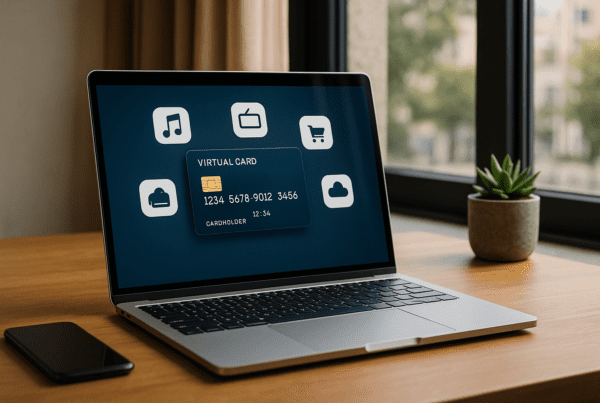
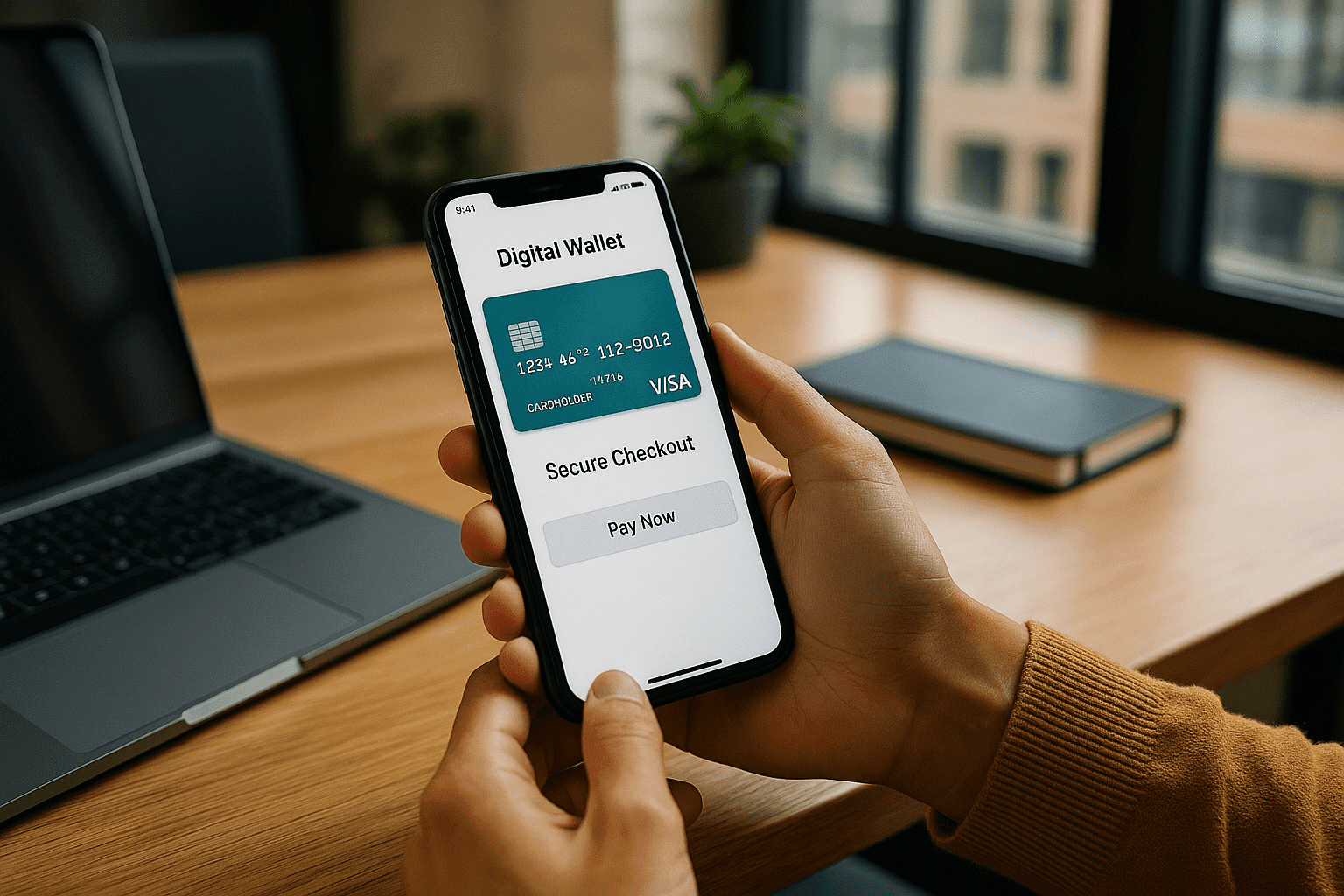
In recent years, virtual cards have quietly gained traction as a popular method for making online payments. Unlike traditional plastic credit or debit cards, virtual cards exist only in digital form and are typically generated instantly through a banking app or financial service. This growing availability aligns with a shift in consumer behavior towards digital-first financial tools and a rising focus on online payment security.
When Plastic Cards Aren’t Enough
For decades, plastic cards have been the default for both in-person and online payments. Their physical form often gave users a sense of familiarity and control. Yet, as eCommerce grew, so did the risks associated with card usage online. Data breaches, phishing scams, and card number theft have been persistent issues. Even with security measures like chip technology and two-factor authentication, the static nature of card details meant that once exposed, fraudsters could reuse the information repeatedly until the card was canceled.
Virtual cards offer a different approach. Instead of relying on a single, long-lasting card number, they generate temporary or limited-use numbers. This fundamentally changes the potential damage from data exposure. If someone intercepts a virtual card number, that number might no longer be valid or might have strict limits attached, such as a maximum spend or expiration after one use.
This shift reflects a broader trend towards ephemeral digital credentials seen in other areas of technology, like one-time passwords and temporary login tokens. In financial services, it means bringing a layer of control and flexibility that physical cards simply cannot provide.
The Appeal of Virtual Cards Beyond Security
Security is the headline benefit, but virtual cards have found traction for other reasons, too. They allow consumers and businesses to segment spending by creating multiple unique card numbers linked to one funding source. This segmentation can make budgeting and expense tracking easier since each virtual card represents a particular payment or supplier.
For example, some consumers use virtual cards to subscribe to streaming services separately from their primary card, enabling them to quickly stop payments if needed without disrupting other accounts. Businesses often issue virtual cards for individual projects or departments, helping reduce errors or unauthorized expenses.
There is also the element of convenience. Many apps now allow instant virtual card issuance, which is far faster than waiting for a physical card to arrive by mail. This immediacy fits the expectations of a modern digital economy where users want to start transactions right away.
How Virtual Cards Work in Practice
The average user may encounter virtual cards as a feature embedded in their regular banking or payment app. Someone generates a new card number for online use, often with the ability to set spend limits, expiration dates, or merchant restrictions. The underlying account-whether a credit line, prepaid balance, or debit account-funds these transactions behind the scenes.
During checkout, the user inputs the virtual card information instead of the main card, effectively isolating the transaction. If this information is compromised, the user can deactivate that virtual card without affecting their actual account or other virtual cards in use. Over time, this compartmentalization can reduce the impact of fraud and simplify remedies.
Payment networks such as Visa, Mastercard, and American Express support virtual card technology, enabling wide acceptance even outside the issuing bank’s ecosystem. This interoperability means virtual cards are not niche tools but increasingly mainstream payment methods.
Real-World Impact on Fraud and Consumer Confidence
As virtual cards have become more popular, reports suggest a decline in certain types of online fraud involving card details. While theft still occurs, the damage is often contained because the virtual card can be canceled or expires quickly.
Consumers who adopt virtual cards often report greater peace of mind when shopping online, especially with unfamiliar merchants. This improved sense of security can encourage more online spending and reduce barriers that have long prevented some people from fully embracing eCommerce.
However, virtual cards are not a panacea. They require users to adopt new habits and understand the technology. For instance, recurring payments can be disrupted if virtual card numbers change or expire unexpectedly, requiring attention to details that were previously invisible with a static physical card.
Furthermore, smaller merchants that rely on manual card storage or certain payment models might not handle virtual cards smoothly. The ecosystem is evolving, but it is not yet flawless.
Why Financial Institutions Are Betting on Virtual Cards
Banks and fintech companies see virtual cards as a way to strengthen their security profile and stay competitive by offering features that modern consumers expect. Many major banks now integrate virtual cards into their mobile apps, bundling them with other digital wallet capabilities.
For businesses, virtual cards help reduce the administrative burden of managing expenses and decrease fraud risk in supplier payments. This is especially useful in a global economy where cross-border transactions increase complexity and vulnerability.
Industry reports from sources like Visa and Mastercard highlight a growing pipeline of virtual card adoption. The trend points to deepening integration with emerging payment methods and tools, such as contactless payments and digital wallets.
Yet the adoption also raises questions around user education and access. Virtual cards typically require smartphone apps and internet connectivity, potentially disadvantaging segments of the population with limited digital access.
Still, when considered alongside the challenges of online fraud, the shift towards virtual cards appears to be a natural progression in how we pay digitally.
For those navigating this change, staying informed about how virtual cards work, their limits, and how they impact recurring payments can help manage transitions smoothly. The evolving landscape of payment security will no doubt include virtual cards as a significant piece but will require coordination among consumers, banks, merchants, and regulators to realize their full potential.
Sources and Helpful Links
- Visa, Official site for Visa payment innovations and services
- Mastercard, Insights on virtual cards and digital payment trends
- Consumer Financial Protection Bureau: Credit Cards, Resources on credit cards including virtual card usage and security
- Federal Trade Commission: Identity Theft and Online Fraud, Guidance on protecting yourself from payment fraud